FAA Prepares $875M AI System Rollout to Manage Air Traffic Congestion Starting in D.C.
Developed by Air Space Intelligence under a 12-year contract, the predictive software enters initial testing as the agency manages equipment overhauls and persistent staffing shortages.
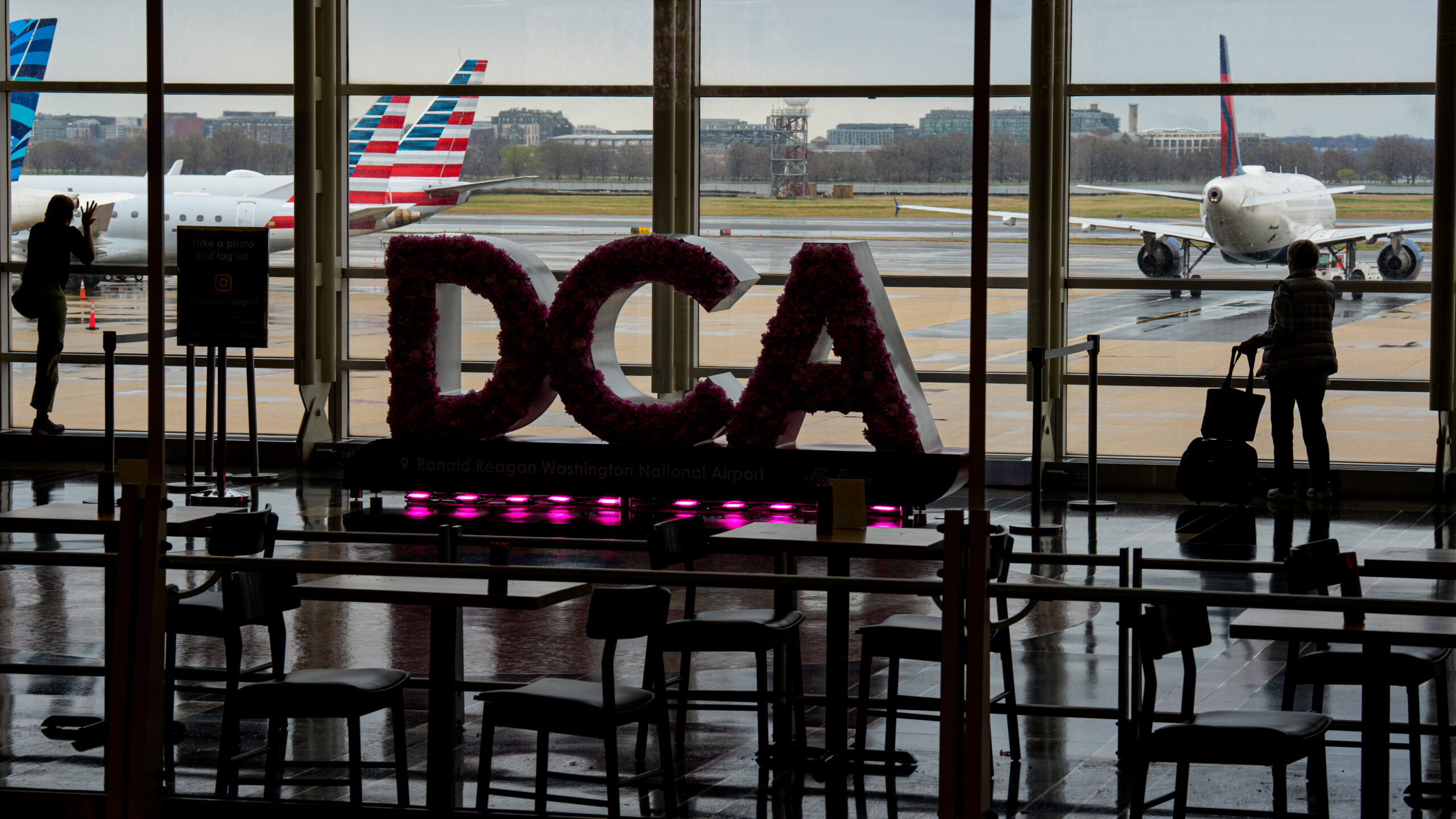
The Federal Aviation Administration is preparing to deploy an artificial intelligence tool to assist air traffic controllers in managing congested airspace over the Washington, D.C. region, marking the first phase of a planned nationwide rollout across 29 million square miles of U.S. airspace. As first reported by The Wall Street Journal and detailed by Ars Technica , the software—known as SMART—could begin advisory operations for the three major D.C.-area airports as early as Monday, September 21.
SMART uses AI models to analyze operational conditions, flight schedules, weather, and airport capacity to forecast traffic flows and highlight potential conflicts. Developed by Boston-based Air Space Intelligence under a 12-year, $875 million contract awarded in June, the software serves as a predictive layer above a new Flow Management Data and Services system. That broader infrastructure will replace legacy systems at the FAA's Air Traffic Control System Command Center in Virginia, aiming to lower fuel burn, boost on-time rates, and accelerate recovery after weather-related delays.
The deployment follows weeks of airline industry uncertainty regarding how the tool would affect daily operations. According to reporting from Politico, carrier concerns eased after the FAA clarified that SMART will not alter existing procedures for controllers or airlines, instead delivering alternative routing options through established FAA systems. Air Space Intelligence claims its separate Flyways AI platform, which incorporates a four-dimensional digital twin of national airspace, already helps manage over 40 percent of domestic air traffic through commercial partnerships with airlines such as Alaska Airlines.
Aviation safety analysts noted that testing the software in a restricted corridor helps reduce systemic risks. Speaking to Ars Technica, Philip Mann, principal consultant at Vector Strategic Consulting LLC and a 17-year FAA veteran, said limiting the initial rollout is appropriate given that the AI components introduce broad operational unknowns. Mann noted that key questions remain over whether operations will initially be restricted to aircraft at 24,000 feet and above, and how liability and accountability will be governed when algorithmic forecasts fail.
The software trial arrives during a multi-billion-dollar effort to replace aging FAA infrastructure, including 1980s-era radar installations, radios, telecom lines, and voice switches. The agency is also navigating a chronic controller shortage dating back to 1981, when more than 11,000 striking controllers were fired. A U.S. Government Accountability Office report from December 2025 found the controller workforce shrank by 6 percent over the previous decade, exacerbated by training pauses and hiring freezes during federal government shutdowns in 2013 and 2018–2019, as well as the COVID-19 pandemic.
Workforce pressures deepened throughout 2025. Probationary job cuts led by Elon Musk's Department of Government Efficiency affected employees supporting air traffic control systems before a federal judge ordered the FAA to reinstate 132 workers. Later in 2025, a 43-day federal shutdown from October 1 to November 12 led to surging retirements, with Transportation Secretary Sean Duffy reporting 15 to 20 daily departures versus a normal rate of four, while FAA chief Bryan Bedford stated the agency lost up to 500 trainees. In May, the FAA lowered its estimated controller staffing requirements for 2026 through 2028 by roughly 2,000 positions, betting on technical modernizations like SMART even as understaffing remains under intense scrutiny following a fatal January 2025 collision near Ronald Reagan Washington National Airport.
Sources
Written by
The Company Wire
Inside the companies building what’s next. Reporting on startups, technology, funding and the people shaping them.