NetApp Deploys AI Storage Agents Within Human-Led Governance Boundaries
At NetApp INSIGHT, executives stressed that autonomous infrastructure agents require unified cloud foundations and clear accountability rules.
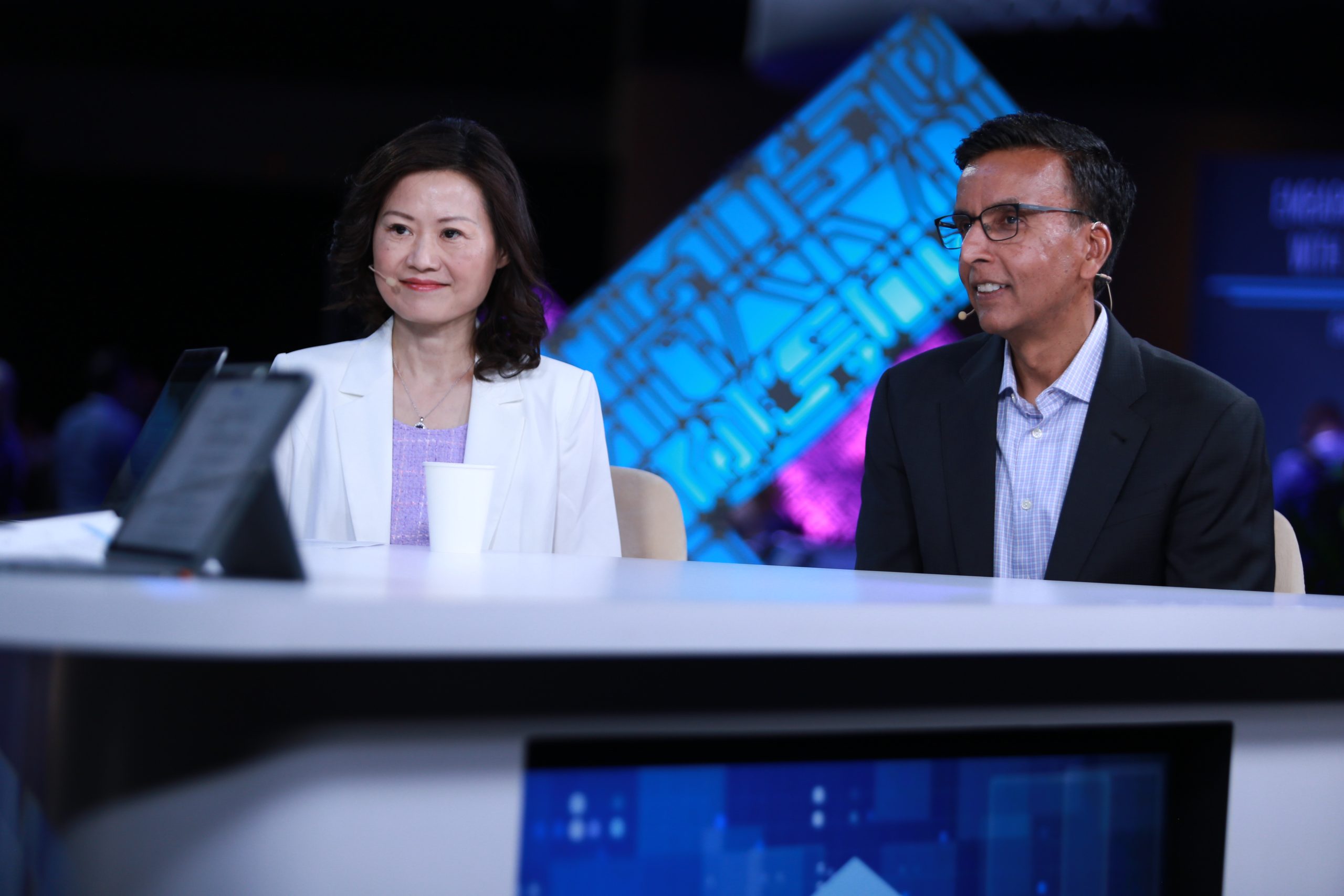
As enterprise artificial intelligence workloads multiply across hybrid environments, NetApp Inc. is introducing autonomous AI agents to manage storage infrastructure while maintaining that human administrators must set and enforce underlying governance policies. Speaking in an interview at the NetApp INSIGHT conference, reported by SiliconANGLE (https://siliconangle.com/2026/10/02/data-governance-sets-rules-netapp-s-ai-storage-agents-netappinsight/), company leadership and industry advisers outlined why data consistency and accountability protocols must precede infrastructure automation.
Enterprise datasets now span on-premises facilities, public clouds, and neoclouds. Rather than building distinct operational silos for AI deployments, NetApp argues for a unified data architecture that behaves uniformly across hosting environments. Sandeep Singh, senior vice president and general manager of enterprise storage at NetApp, noted that organizations need consistent data capabilities and operational workflows across every site where workloads run.
Governance challenges also stem from organizational friction. Helen Yu, founder and chief executive officer of Tigon Advisory Corp., observed during the broadcast that when teams cannot consistently access trusted data, they create workarounds that spawn shadow IT and shadow AI. Yu characterized the breakdown as an issue of leadership and accountability rather than pure storage capacity.
To automate operations within set parameters, NetApp links a uniform data plane with a shared control plane accessible to both administrators and software agents through NetApp Console. In one conference demonstration, autonomous agents detected an overnight performance anomaly and applied real-time quality-of-service rules to prevent multi-tenant interference, resolving the issue without paging an off-hours engineer and leaving an audit trail for later review.
Advisers caution that automation cannot replace governance oversight. Yu urged organizations to measure automation against business outcomes rather than task volume, recommending that enterprise RACI frameworks—defining who is responsible, accountable, consulted, and informed—explicitly incorporate AI agents to clarify data access permissions and human override authority.
Sources
Written by
The Company Wire
Inside the companies building what’s next. Reporting on startups, technology, funding and the people shaping them.