Publishers Urge Congress to Pass Stealth Bot Prohibition Act
More than 300 media executives are lobbying federal lawmakers to penalize automated crawlers that scrape publisher sites under false pretenses.
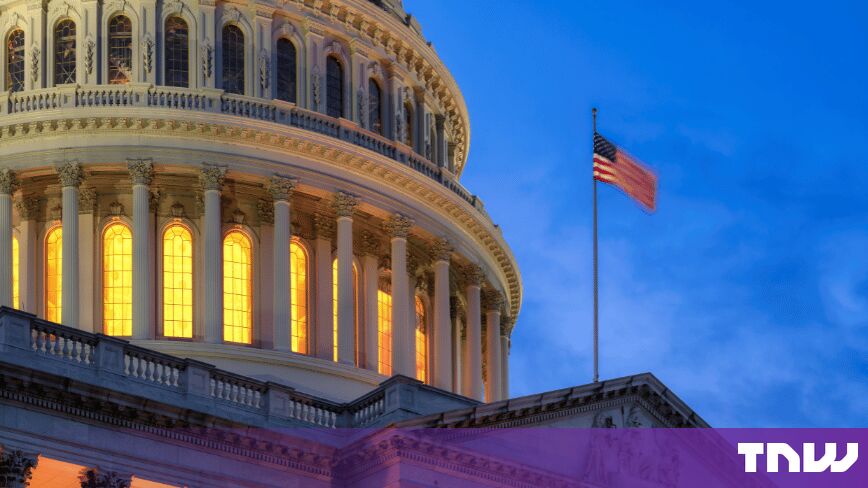
More than 300 news publishing executives gathered in Washington this week to lobby Congress in support of federal legislation banning undisclosed artificial intelligence web crawlers, according to reporting from Digiday and covered by The Next Web . The fly-in, organized by the News/Media Alliance alongside America’s Newspapers, brought media leaders together with senators, representatives, and legislative staff.
Attendees include Condé Nast chief executive Roger Lynch, Hearst Magazines president Debi Chirichella, and USA Today Co chief executive Mike Reed. The coalition is pushing for passage of the Stealth Bot Prohibition Act (H.R. 9915), introduced in July by Republican Representatives Laurel Lee and Gus Bilirakis of Florida and Democratic Representative Valerie Foushee of North Carolina. The bill is currently before the House Energy and Commerce Committee.
The proposed legislation defines a stealth bot as an automated agent that accesses a website without disclosing its identity—including failing to provide an accurate user-agent string—and its operational purpose, such as search indexing, model training, or retrieval-augmented generation. The bill prohibits deploying bots in ways likely to burden or damage website infrastructure, as well as disguising automated agents as human visitors for generative AI applications.
Under H.R. 9915, the Federal Trade Commission could seek civil penalties of up to $53,000 per violation, adjusted annually for inflation, while state attorneys general could file civil actions for damages on behalf of residents. The statutory rules would take effect 180 days after enactment and would not preempt other state or federal legal remedies.
The legislative push comes amid surging automated traffic across digital media. Cloudflare data cited by Digiday indicates that automated bots now account for more than 60 percent of total internet traffic, with Cloudflare chief executive Matthew Prince noting to The Verge that bot requests could reach 1,000 times human volume. Bot analytics provider TollBit recorded over 22 billion AI scrapes across its tracked sites during the first half of 2026, reporting that the ratio of AI crawler visits to human visits jumped sixfold in 2025 to reach one crawler visit for every 31 human visits by the fourth quarter.
News/Media Alliance chief executive Danielle Coffey said the goal is to establish mandatory transparency so publishers can either block unauthorized crawlers or negotiate content licensing agreements with AI developers. David Buttle, founder of publisher coalition SPUR, noted that AI companies currently pay intermediary scraping services rather than content creators. Amid the legislative drive, platforms are also implementing independent technical restrictions: Reddit announced plans to disable RSS feeds on November 13 to curb AI scraping, while Cloudflare gave crawlers a September deadline to pay publishers or face automated blocks.
Sources
Written by
The Company Wire
Inside the companies building what’s next. Reporting on startups, technology, funding and the people shaping them.