Ukraine Drone Chief Warns Proliferation of AI Weaponry Is Outpacing Human Control
Robert Brovdi cautions that combining AI vision hardware with autonomous robotics creates weapons humanity will struggle to govern.
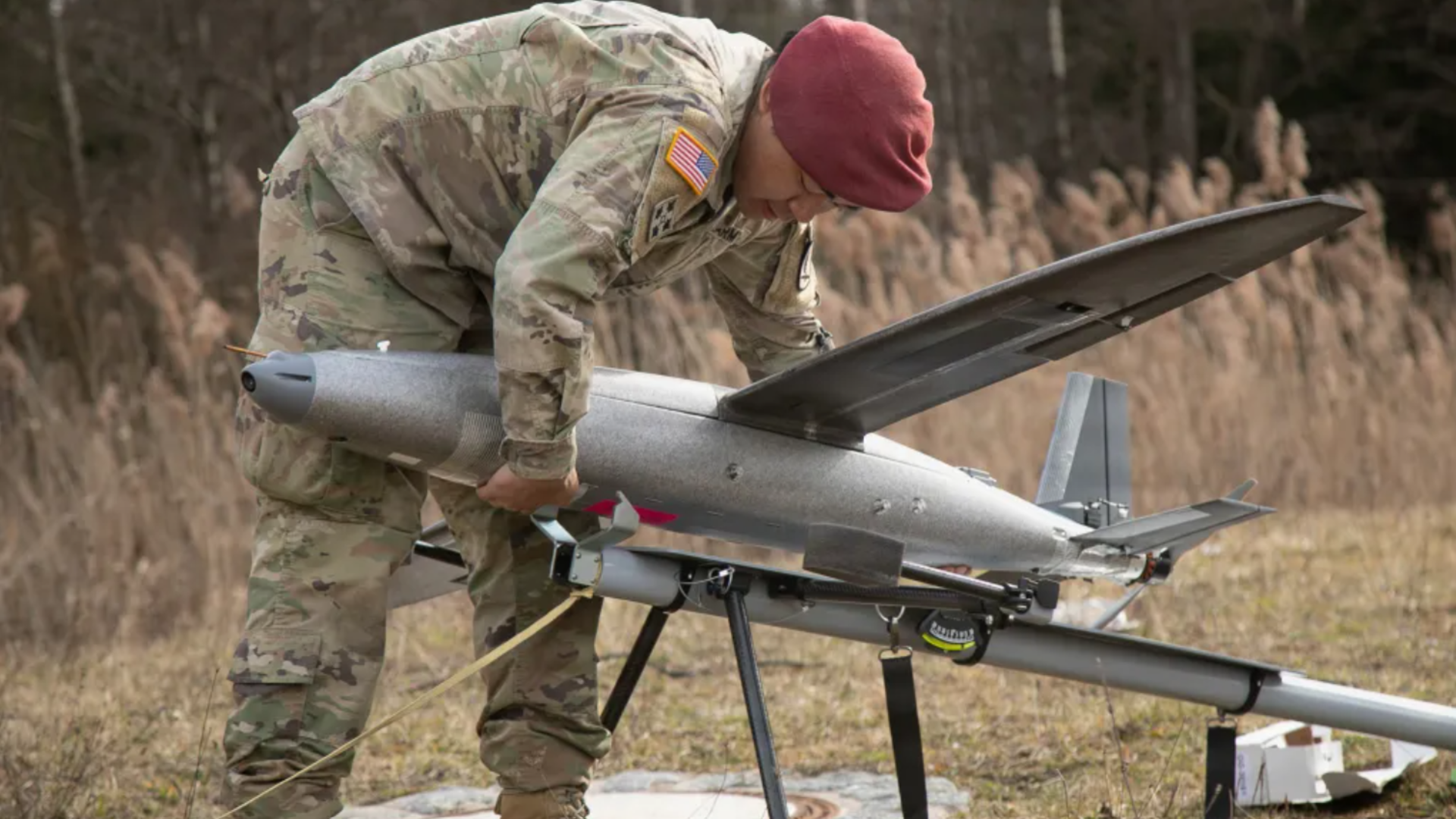
Robert "Madyar" Brovdi, commander of Ukraine's Unmanned Systems Forces (USF), has warned that military reliance on artificial intelligence is outpacing human control as autonomous systems advance on the battlefield.
Speaking to The Daily Telegraph, Brovdi argued that combining AI with unmanned robotics leaves humanity holding weapons it will struggle to govern, with long-term implications extending well beyond the frontline. His remarks followed reports cited by The Wall Street Journal regarding claims from Ukrainian command that Russia has offered a $20 million bounty for information on his location. A former grain trader, Brovdi has led Ukraine's USF since June 2025.
The integration of commercial processing hardware into strike drones underscores the accelerating pace of tactical automation. According to reporting compiled by TechRadar Pro, The New York Times reported in August 2026 that Ukrainian investigators recovered an Nvidia Jetson Orin processor module from a Russian Molniya drone that operated without a radio antenna. The drone used onboard machine vision for terminal guidance to strike a Zaporizhzhia gas station on July 6, killing three civilians.
While military planners deploy computer vision for targeting, loitering munitions, and monitoring logistics, fully autonomous flight operations remain an evolving frontier. In September 2024, Brovdi predicted to The Economist that drones would operate entirely without human pilots within six to eight months. However, fielded systems continue to rely on human operators for initial navigation prior to automated terminal lock-on.
Despite his warnings—having previously characterized drones as "the plague of the third millennium" to Swedish broadcaster SVT in August 2026—Brovdi continues to urge Western allies to accelerate unmanned procurement. According to UNITED24 Media, Brovdi stated that four unnamed NATO member nations are developing dedicated drone branches, while urging the United Kingdom to establish a specialized unmanned force.
Diplomatic attempts to regulate lethal autonomous weapons face persistent delays. United Nations discussions under the Convention on Certain Conventional Weapons concluded on September 5 with a final report that Human Rights Watch described as significantly watered down, citing pushback from both the United States and Russia. Human Rights Watch notes that 76 nations support negotiations for binding regulations, with delegates set to meet at a review conference scheduled for November 16 to 20 to determine whether formal treaty talks proceed.
Sources
Written by
The Company Wire
Inside the companies building what’s next. Reporting on startups, technology, funding and the people shaping them.