Global PC Shipments Suffer Steepest Q3 Contraction on Record as AI Drives Memory Shortages
Rising component costs and inventory backlogs pushed third-quarter computer shipments down more than 20 percent year over year.
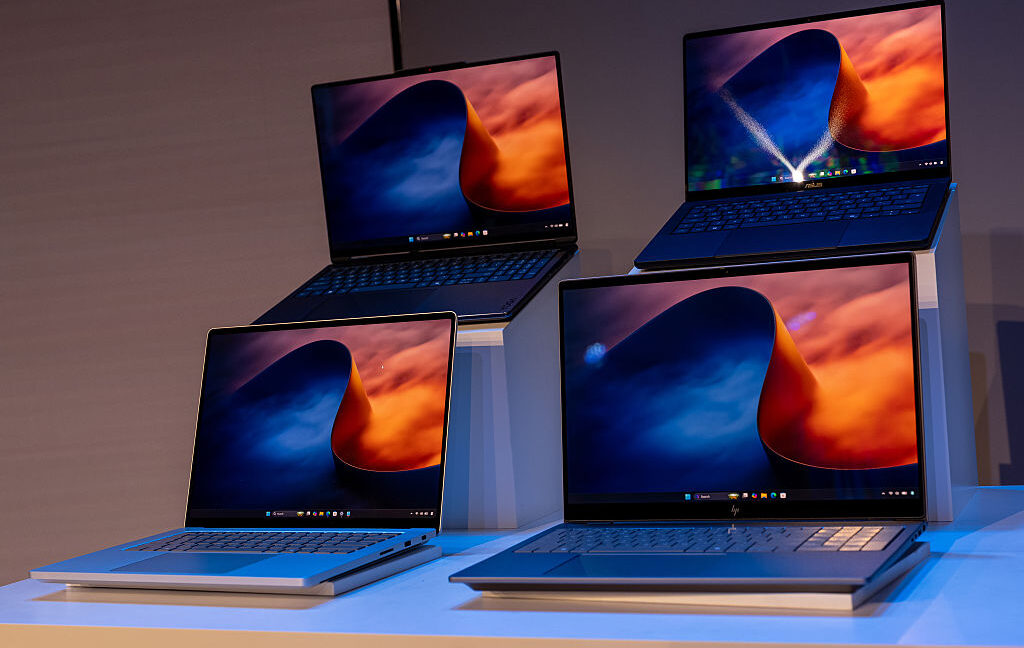
Global personal computer shipments contracted sharply in the third quarter of 2026, marking the market's steepest downturn since early 2023. According to industry data from IDC and Omdia reported by Ars Technica (https://arstechnica.com/information-technology/2026/10/pc-shipments-fall-20-1-percent-in-sharpest-decline-since-q1-2023/), worldwide desktop and laptop deliveries fell by more than 20 percent year over year as supply bottlenecks and channel inventory backlogs suppressed demand.
IDC reported that global shipments declined 20.1 percent year over year during the third quarter to 62.7 million units, down from 78.5 million in the third quarter of 2025. Deliveries also fell 9.1 percent sequentially from the second quarter of 2026, when manufacturers moved 68.2 million units. The year-over-year decrease represents the largest third-quarter drop in IDC's tracking history, defying seasonal trends that typically see third-quarter volumes outpace second-quarter totals.
Omdia recorded a parallel 21.2 percent year-over-year decline across combined desktop, laptop, and workstation shipments, totaling 58.1 million units. By device segment, laptop and mobile workstation shipments dropped 20.6 percent to 46.4 million units, while desktop systems and fixed workstations decreased 23.5 percent to 11.7 million units.
Analysts attributed the pullback to aggressive inventory front-loading earlier in 2026 alongside surging component costs. Device vendors and retail channels built up stock during the first half of the year ahead of anticipated memory price hikes, leaving sales channels oversupplied in the third quarter as end-market demand softened under elevated prices.
Jitesh Ubrani, research director for consumer devices at IDC, noted that while channels may offer promotional discounts to clear excess stock, hardware pricing is unlikely to approach year-ago levels. He added that worsening macroeconomic conditions increase the risk of continued softness over subsequent quarters.
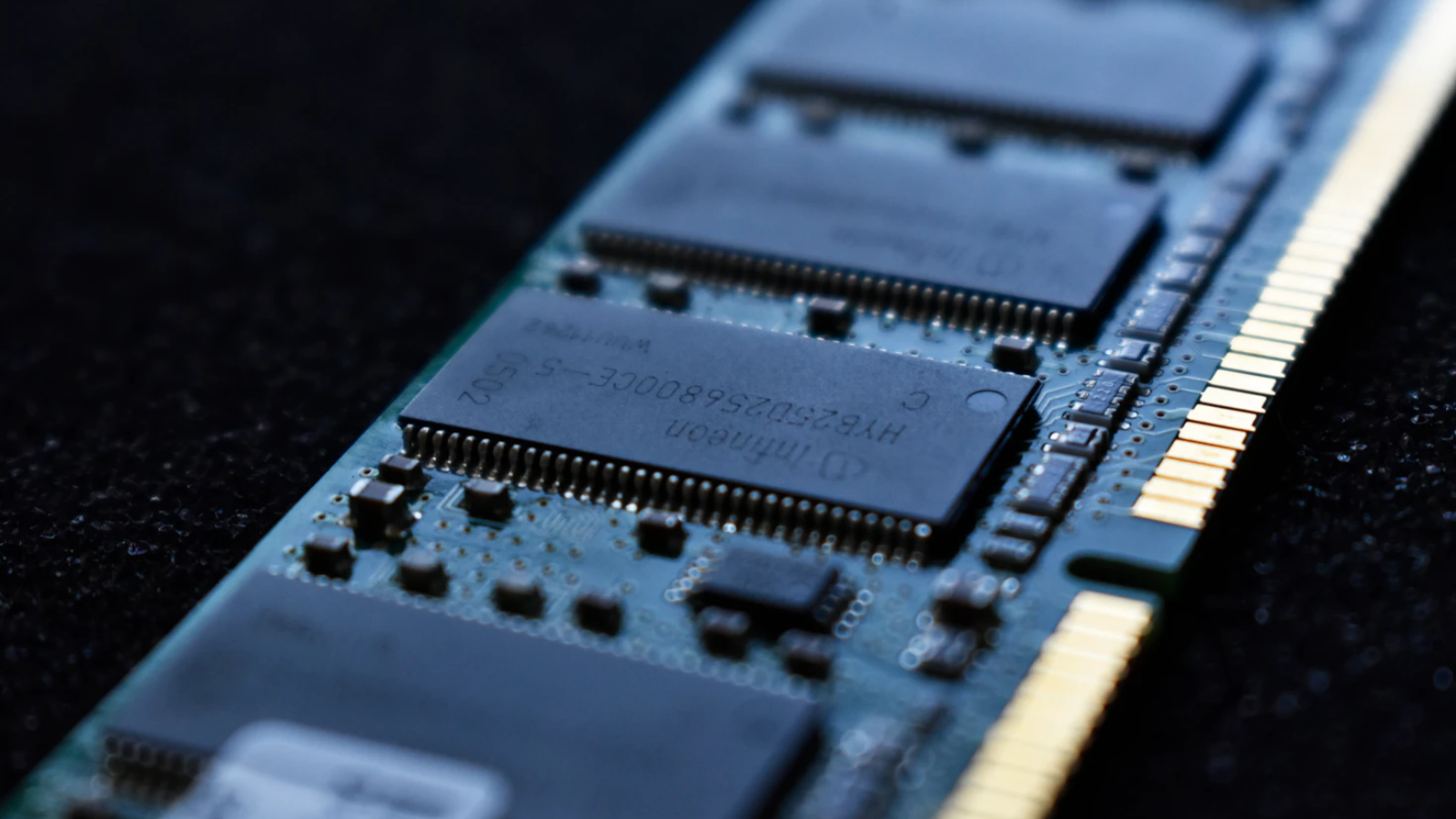
The upstream pressure is largely driven by surging demand for high-bandwidth memory and server DRAM for artificial intelligence infrastructure. This shift has constrained wafer allocation for consumer electronics, including PCs, smartphones, and gaming consoles. Ben Yeh, principal analyst at Omdia, noted that memory and storage now account for nearly 40 percent of a typical PC's bill of materials, up from the historical average of roughly 15 percent, while PC prices have risen more than fourfold without fully offsetting vendor production cost inflation.
Market analysts anticipate prolonged headwinds across the sector. Omdia forecasts a 24 percent year-over-year shipment drop in the fourth quarter of 2026 and an additional 7 percent contraction in 2027, while recent executive commentary from Samsung and Micron suggests memory supply constraints could extend into 2028.
Sources
Written by
The Company Wire
Inside the companies building what’s next. Reporting on startups, technology, funding and the people shaping them.