GM and LG Energy Solution Commit $1B to Mass-Produce Manganese-Rich EV Batteries
The Spring Hill plant in Tennessee will become the first factory to manufacture prismatic LMR cells at scale as GM targets heavy trucks and 400-mile ranges.

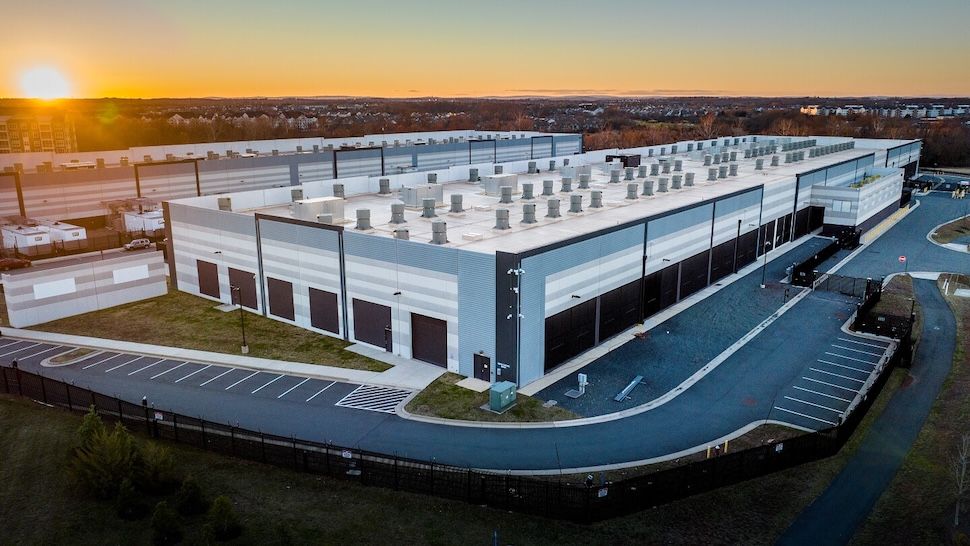
General Motors and LG Energy Solution plan to invest $1 billion to convert their manufacturing facility in Spring Hill, Tennessee, into the industry's first commercial site for prismatic lithium manganese-rich (LMR) battery cells, according to reporting by The Next Web . Tooling work is scheduled to start later this year, with mass production slated for 2028. This marks the first time either partner has formally designated a location to manufacture the chemistry at scale.
LMR cells replace significant portions of cobalt and nickel with manganese. GM claims the chemistry yields 33% higher energy density than leading lithium iron phosphate (LFP) formulations at an equivalent cost profile. The automaker intends to integrate the cells into full-size pickups and large SUVs to achieve driving ranges exceeding 400 miles per charge, with the first production vehicles due in 2028.
The $1 billion commitment builds upon earlier capital investments at the Spring Hill site, including $2.3 billion committed in 2021 and $275 million in 2022. The plant currently produces LFP cells, though those units are designated for stationary energy storage systems rather than passenger vehicles.
GM had previously committed $900 million toward developing LMR technology, operating a pilot line in Warren, Michigan, that produces 2,500 cells per day. Spring Hill will serve as the commercial volume hub. In June, GM battery head Kurt Kelty told electrive that standard LFP chemistry might never enter GM's vehicle lineup, pointing to LMR as the company's preferred path.
The move diverges from European automakers, which have focused capital on cheaper, lower-density LFP packs suited for compact city cars. Volkswagen recently sold a 49% stake in its Spanish battery venture to Gotion to manufacture LFP cells in Valencia, while Stellantis and CATL are constructing a 50-gigawatt-hour LFP facility in Zaragoza.
While LG Energy Solution's internal testing shows LMR cells retaining 92.2% capacity after 883 cycles, supply chain constraints remain unresolved. European Commission data indicates the European Union is fully import-dependent for battery-grade manganese, with reliance at 96% for extraction and 66% for processing against a forecasted regional demand of 74,000 tonnes by 2030. Manganese is classified as a strategic raw material under the Critical Raw Materials Act.
GM is also managing operational volatility across its manufacturing footprint. Its battery cell plant in Ohio only resumed operations in August following a seven-month shutdown tied to the withdrawal of a U.S. clean energy tax credit. No European battery plants have been announced for LMR chemistry.
Sources
Written by
The Company Wire
Inside the companies building what’s next. Reporting on startups, technology, funding and the people shaping them.