TSMC Weighs Multi-Billion-Dollar Texas Campus for AI Chip Manufacturing
The contract chipmaker is considering multiple new US fabs, but progress hinges on whether Congress extends key manufacturing tax credits.
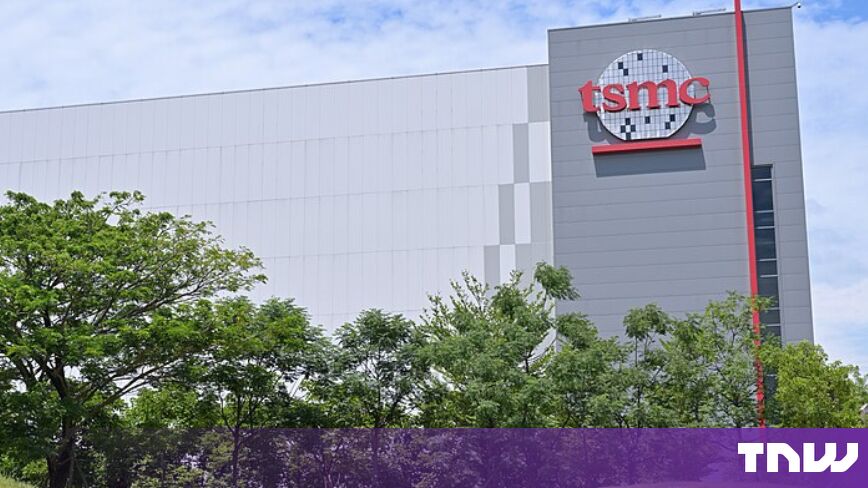
Taiwan Semiconductor Manufacturing Co. is evaluating plans for a new manufacturing campus in Texas composed of multiple fabrication plants dedicated to producing artificial intelligence processors, according to reporting covered by The Next Web (https://thenextweb.com/news/tsmc-texas-fabs-europe-gap). Each individual fab on the proposed campus would cost at least $20 billion, though plans remain in early stages and TSMC stated it has no comment on market rumors.
The prospective project depends on legislative action in Washington. TSMC's decision is tied to whether the US Congress extends a 35% manufacturing tax credit. Under current rules, construction must begin by the end of December to qualify, and no legislative extension has a clear path this year despite public support from Senators Mike Crapo and Ron Wyden.
If realized, the Texas site would expand TSMC's footprint beyond its existing $265 billion commitment in Arizona, which covers ten fabs, two packaging facilities, and a research center. North American clients generated more than 75% of TSMC's wafer revenue this year.
TSMC's focus on leading-edge North American capacity contrasts with its European presence. The company's sole European project—a joint-venture facility in Dresden budgeted at over €10 billion—received €5 billion in approved European Union state aid in August 2024. That plant will operate on mature nodes ranging from 28nm and 22nm CMOS to 16nm and 12nm FinFET, processes well behind the advanced nodes used by AI accelerator customers such as Nvidia and Apple.
The Dresden facility is scheduled to receive equipment during the current half-year, with commercial production slated for 2027 and full capacity of 40,000 wafers per month projected by 2029. By comparison, a single fab on the prospective Texas campus would cost about double the entire Dresden joint venture. Outside of the US, TSMC evaluated Singapore rather than European locations for additional overseas capacity.
The development underscores broader headwinds for the European Union's semiconductor ambitions. While Infineon opened a €5 billion power chip fab in Dresden in July with €1 billion in EU support, the bloc is projected to miss its target of capturing 20% of global semiconductor manufacturing by 2030. After accounting for 9.8% of the global market in 2022, internal EU forecasts estimate reaching only 11.7% by 2030, leading industry groups to lobby for a Chips Act 2.0. Of the €86 billion envisioned under the original Chips Act, the European Commission contributes 5%, leaving member states and private investors to fund the remainder.
Regardless of where foreign campuses are built, TSMC maintains its most advanced semiconductor research operations in Taiwan.
Sources
Written by
The Company Wire
Inside the companies building what’s next. Reporting on startups, technology, funding and the people shaping them.