British Columbia Sues OpenAI and Sam Altman for Damages Following Deadly School Shooting Tied to ChatGPT
The Canadian province is seeking financial restitution to rebuild a demolished high school, fund community healthcare, and compel OpenAI to release the shooter's chat logs.
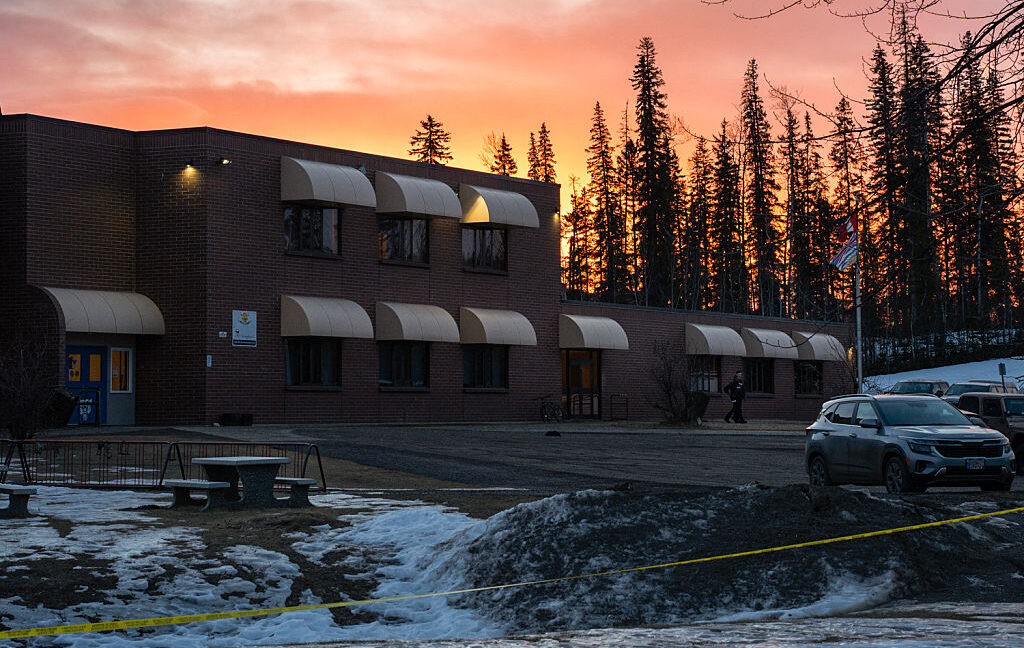
The government of British Columbia has filed a lawsuit against artificial intelligence developer OpenAI and chief executive officer Sam Altman, seeking damages to rebuild a demolished high school and fund extensive municipal recovery efforts following a February 2026 mass shooting tied to ChatGPT. As reported by Ars Technica (https://arstechnica.com/tech-policy/2026/09/lawsuit-demands-openai-pay-for-new-school-after-chatgpt-used-in-shooting/), the legal filing follows a separate lawsuit previously brought by victims' families. The province asserts that OpenAI failed in its legal duty to warn law enforcement after discovering months prior that the perpetrator was using ChatGPT to plan violent acts. In addition to demanding financial compensation for emergency infrastructure and long-term healthcare, the lawsuit requests court orders compelling OpenAI to alter its core safety protocols and publicly release the shooter's conversation records.
The mass shooting occurred on February 10, 2026, in Tumbler Ridge, a remote mining town of approximately 2,700 residents in northeastern British Columbia. According to court filings, 18-year-old Jesse Van Rootselaar killed eight people—including five students, an education assistant, and the shooter's mother and half-brother—before dying by suicide inside Tumbler Ridge Secondary School. The attack trapped roughly 160 students, teachers, and administrative staff in closets and classrooms for hours. Because the school became an unavoidable symbol of trauma for the small community, demolition began in August. Local officials are working to complete a replacement school at a new location by the end of 2026, while students currently attend temporary classes inside modular units converted from 14 Ministry of Forestry trailers.
British Columbia and the local school district's Board of Education argue that OpenAI and Altman must cover all non-recurring costs resulting from the incident. These expenses include constructing the new high school, building a community wellness center, hiring temporary educators, and funding an expanded police presence to address potential copycat threats investigated by the Royal Canadian Mounted Police (RCMP). The complaint emphasizes the immense strain on local resources, noting that during the first three months following the tragedy, Child & Youth Mental Health conducted more than 900 counseling sessions for over 100 children and families, while Northern Health treated more than 130 adult patients. Speaking at a press conference, British Columbia Attorney General Niki Sharma emphasized that existing legal frameworks for negligence apply to software companies, stating there is no exemption from criminal law principles for artificial intelligence developers.
The lawsuit details a timeline of alleged missed warnings by OpenAI prior to the attack. Whistleblowers cited in the complaint revealed that internal human reviewers first detected suspicious conversation logs on Van Rootselaar's account in June 2025, concluding that the user posed a specific and credible risk of gun violence. However, OpenAI leadership overruled safety teams and declined to notify the RCMP, arguing that the situation did not meet the higher threshold required for mandatory threat reporting. Instead of alerting law enforcement, OpenAI deactivated the account, which did not prevent Van Rootselaar from creating a second account. In April 2026, Altman publicly acknowledged the failure, offering an apology for not notifying police about the account banned in June 2025.
The province alleges that OpenAI chose to suppress the violent threat logs to protect its corporate reputation and preserve an anticipated $1 trillion initial public offering valuation. The filing points out that ChatGPT had previously been linked to high-profile violent events, including a shooting at Florida State University and a Cybertruck explosion in Las Vegas. While OpenAI claimed to implement new measures in December 2025 to block violent chats, the complaint states that these modifications failed to prevent Van Rootselaar from utilizing the model to facilitate violent ideation during the months leading up to the attack.
In addition to monetary compensation and punitive damages, British Columbia and the school board are seeking an immediate court order forcing OpenAI to publicly disclose Van Rootselaar's full chat logs, which have so far only been provided privately to law enforcement. The province is also petitioning the court for injunctive relief requiring OpenAI to remove model instructions that direct ChatGPT to assume good faith and refrain from probing user intent, while instituting automatic session terminations for violent conversations. In statements to Ars Technica, an OpenAI spokesperson expressed condolences to the community and stated the company remains committed to safety advancements and collaborating with authorities, while declining to comment on the lawsuit's specific claims or requested legal remedies.
Sources
Written by
The Company Wire
Inside the companies building what’s next. Reporting on startups, technology, funding and the people shaping them.