Broadcom Embeds AI Security Into Hypervisor Layer to Curb Expanding Enterprise Threat Vectors
At VMware Explore 2026, Broadcom executive Umesh Mahajan outlined how agentic AI workloads demand hypervisor-level lateral security to process heavy traffic without latency.
The rapid proliferation of agentic artificial intelligence is driving a structural transformation in enterprise cybersecurity, compelling organizations to embed policy enforcement deeper within their cloud infrastructure. As autonomous AI agents dynamically alter underlying cloud environments, traditional perimeter defenses are becoming insufficient against highly automated cyber threats, forcing a shift toward lateral security models that can inspect internal system traffic without degrading operational performance.
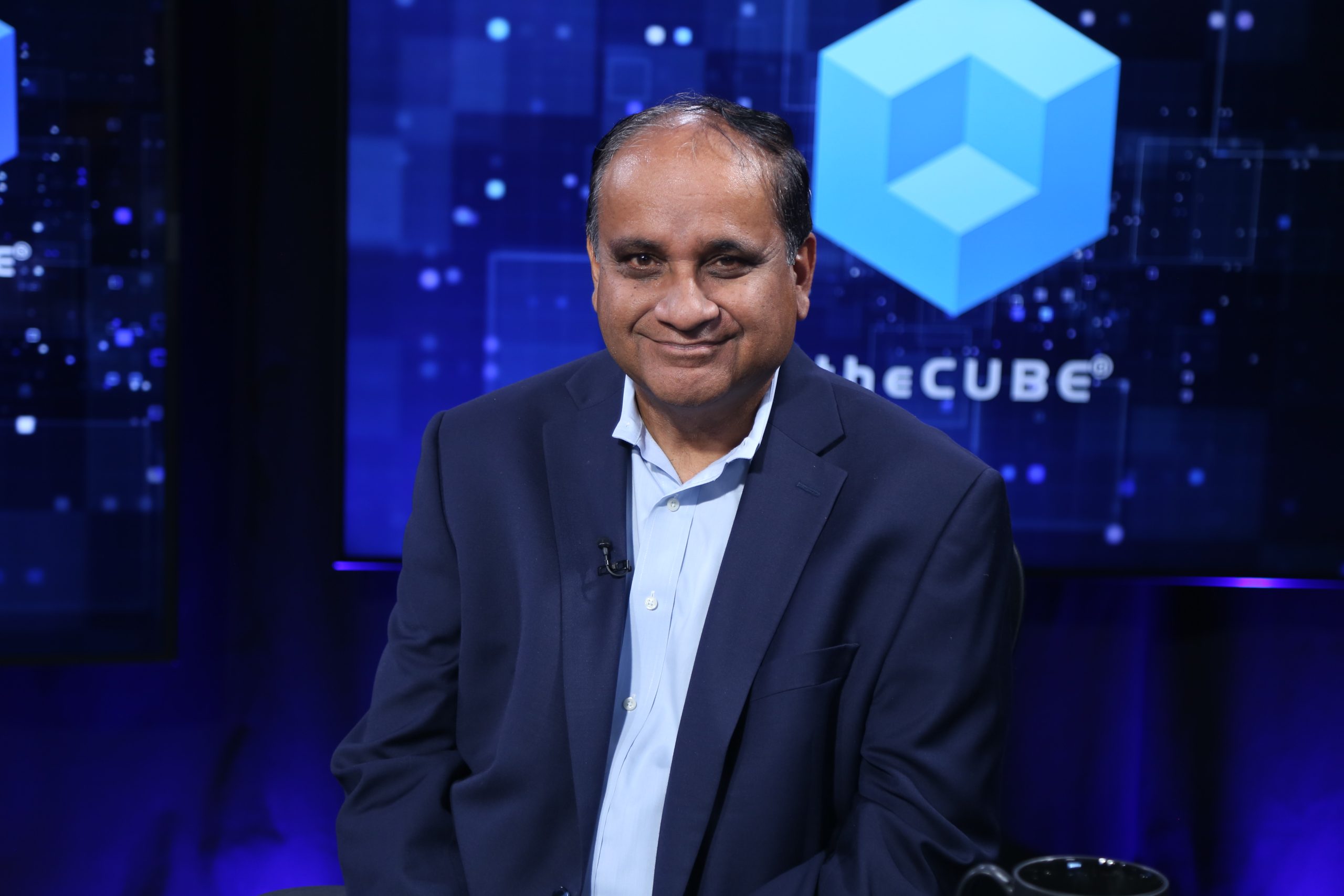
In an interview broadcast by SiliconANGLE during the VMware Explore 2026 conference, Umesh Mahajan, vice president and general manager of the Application Networking and Security Division at Broadcom Inc., warned that corporate technology teams can no longer delay comprehensive security upgrades. Mahajan pointed out that relying exclusively on perimeter firewalls leaves networks exposed, as attackers can readily bypass boundary defenses, making the immediate deployment of lateral security measures a necessity rather than a multi-year goal.
A major challenge facing modern enterprise environments is the historical accumulation of fragmented security tools. Mahajan explained that organizations frequently purchase specialized security products piecemeal over many years, creating distinct operational seams between unintegrated systems. He compared this disjointed setup to Swiss cheese, noting that while companies maintain individual blocks of security, the resulting gaps provide easy pathways for malicious actors to compromise internal networks.
To mitigate these operational vulnerabilities, Broadcom is advancing an integrated software stack that enables security elements to continuously share context across the network. Built around the company's vDefend and Avi Load Balancer product lines, this unified framework aims to bridge the visibility gaps created by legacy point solutions and offer consolidated defense mechanisms tailored for modern enterprise architecture.
Scalability and network latency represent additional hurdles as enterprises deploy compute-intensive AI applications. Artificial intelligence workloads generate substantial east-west network traffic between internal servers, and traditional security appliances that inspect this data stream often introduce delays that impair performance. To resolve this friction, Broadcom is pushing key security controls—including network firewalling alongside intrusion detection and prevention systems—directly into the virtualization hypervisor layer rather than passing traffic through external hardware devices.
Detailing the processing metrics of this hypervisor-centric design, Mahajan noted that the platform can process up to 75 terabits of firewall traffic per vCenter cluster, alongside 17 terabits for intrusion detection and prevention (IDS/IPS). Handling security processing directly inside the hypervisor allows organizations to manage massive throughput demands while keeping latency to a minimum, an essential requirement for performance-sensitive AI workloads.
Beyond raw throughput, managing agentic AI environments requires real-time visibility into ephemeral infrastructure components. Short-lived software agents and services reliant on Model Context Protocol operate dynamically across the cloud, complicating efforts to distinguish legitimate enterprise software from unauthorized shadow IT. Systems administrators require immediate operational visibility to accurately isolate and quarantine untrusted elements before they pose a threat to critical operations.
Mahajan emphasized that organizations must build these security and visibility features into their broader private cloud modernization initiatives from the start. Delaying security integration until after production AI workloads are already running on cloud infrastructure significantly elevates the risk of system compromise. As enterprise adoption of agentic AI accelerates, embedding automated, scalable defense mechanisms directly at the infrastructure level has become a vital requirement for modern risk management.
Sources
Written by
The Company Wire
Inside the companies building what’s next. Reporting on startups, technology, funding and the people shaping them.