HHMI Janelia and Anthropic Partner on Model Hardware Standard for AI-Driven Scientific Instruments
A shared-memory architecture developed using Claude Code allows laboratory devices to communicate in real time, reducing hardware setup timelines from months to days.

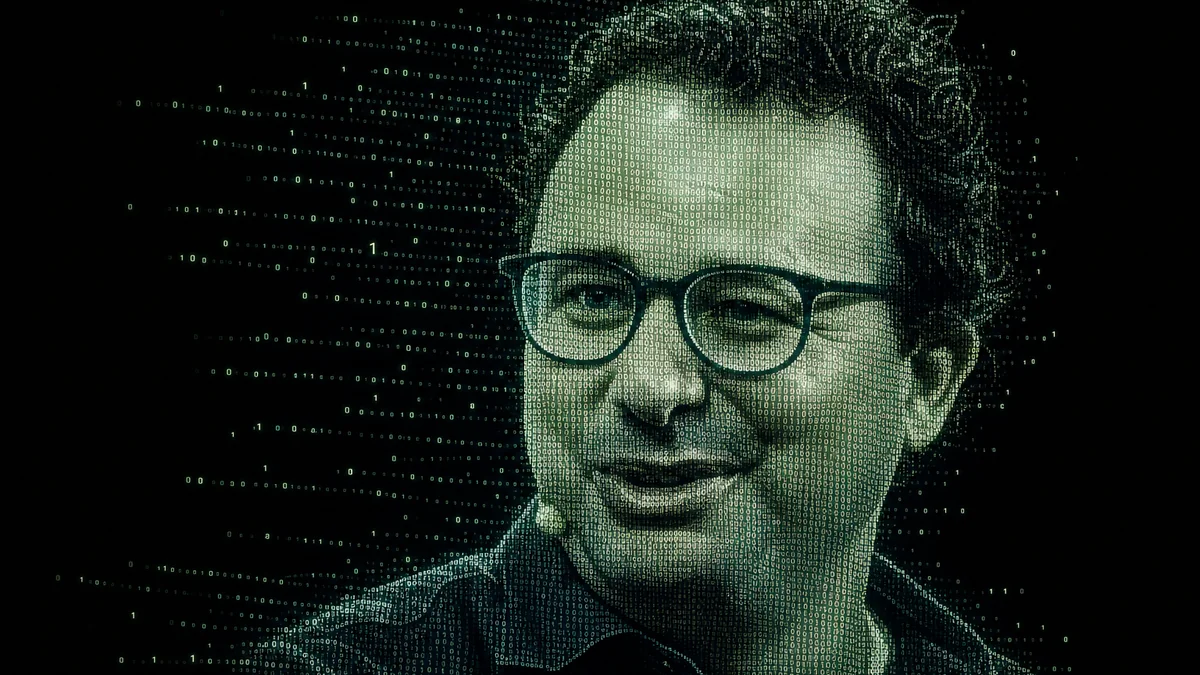
A postdoctoral researcher at the Howard Hughes Medical Institute's Janelia Research Campus has designed a shared-memory computing architecture that enables disparate laboratory hardware components to coordinate in real time using artificial intelligence. As first reported by TechXplore, the system was created by Arco Bast in collaboration with AI developer Anthropic, leading to the establishment of the Model Hardware Standard (MHS), an open framework designed to allow AI models to operate scientific equipment and manufacturing systems.
Bast, a former medical doctor from Germany who transitioned into neuroscience, encountered operational delays while attempting to execute experiments on Janelia's high-powered mesoscope microscope. The instrument relies on specialized cameras, sensors, and scanners that each run on independent software packages with isolated memory structures. Coordinating these heterogeneous components typically required routing communication through a central operating system, creating setup bottlenecks that could take months or years of custom engineering to resolve.
The conceptual breakthrough occurred while Bast spent time on Selden Island, Janelia's 400-acre (1.6-square-kilometer) wooded property on the Potomac River. Realizing that private memory architectures were preventing effective inter-component communication, Bast hypothesized that allowing every piece of hardware to write to and read from a shared pool of memory would eliminate the software bottleneck.
Using Anthropic's Claude Code tool, Bast built an application that allowed all connected laboratory instruments to continuously view and modify the same live memory state. The shared architecture drastically shortened experiment setup times from months down to days, giving researchers the flexibility to reconfigure complex hardware quickly without writing custom integration code for each component.
The unified memory pool also allows artificial intelligence models to participate directly in live scientific procedures. Under an "AI-in-the-loop" framework, AI agents like Claude can observe data streams as an experiment progresses, detect patterns in real time, and adjust hardware settings dynamically during active runs—tasks that exceed human response capabilities.
During a February 2026 meeting at the Janelia campus, Bast presented the architecture to Anthropic engineers. Recognizing that the approach aligned with their internal research into physical AI control, Anthropic partnered with Janelia to formalize the Model Hardware Standard. The protocol is designed to let researchers manage multi-component hardware setups using natural language interfaces.
Leadership at the Howard Hughes Medical Institute highlighted the broader implications of the framework for biological research. HHMI Vice President and Janelia Executive Director Nelson Spruston noted that the system enables scientists to execute previously impossible experiments, while HHMI President Erin O'Shea emphasized that the technology removes operational barriers between scientists and their research. Boaz Mohar, a senior scientist in the Spruston Lab who contributed to the standard, stated that the development expands the potential scope and complexity of scientific projects.
The creators of the standard plan to work with commercial instrument manufacturers to integrate MHS natively into future scientific devices. Bast compared the potential widespread adoption of the standard to the universal implementation of USB ports, which would allow multi-vendor laboratory components to communicate seamlessly out of the box.
Sources
Written by
The Company Wire
Inside the companies building what’s next. Reporting on startups, technology, funding and the people shaping them.