LG Partners With Nvidia to Launch Bipedal Humanoid Robot by 2027
The South Korean industrial giant will pair Nvidia's Jetson Thor hardware and Isaac GR00T foundation models with internal components to compete in physical AI.
South Korean industrial conglomerate LG plans to reveal a bipedal humanoid robot during the first quarter of 2027 under a new collaborative agreement with Nvidia. The upcoming machine will integrate Nvidia’s specialized robotics processors and artificial intelligence models alongside LG’s in-house hardware components, according to details first reported by The Next Web.
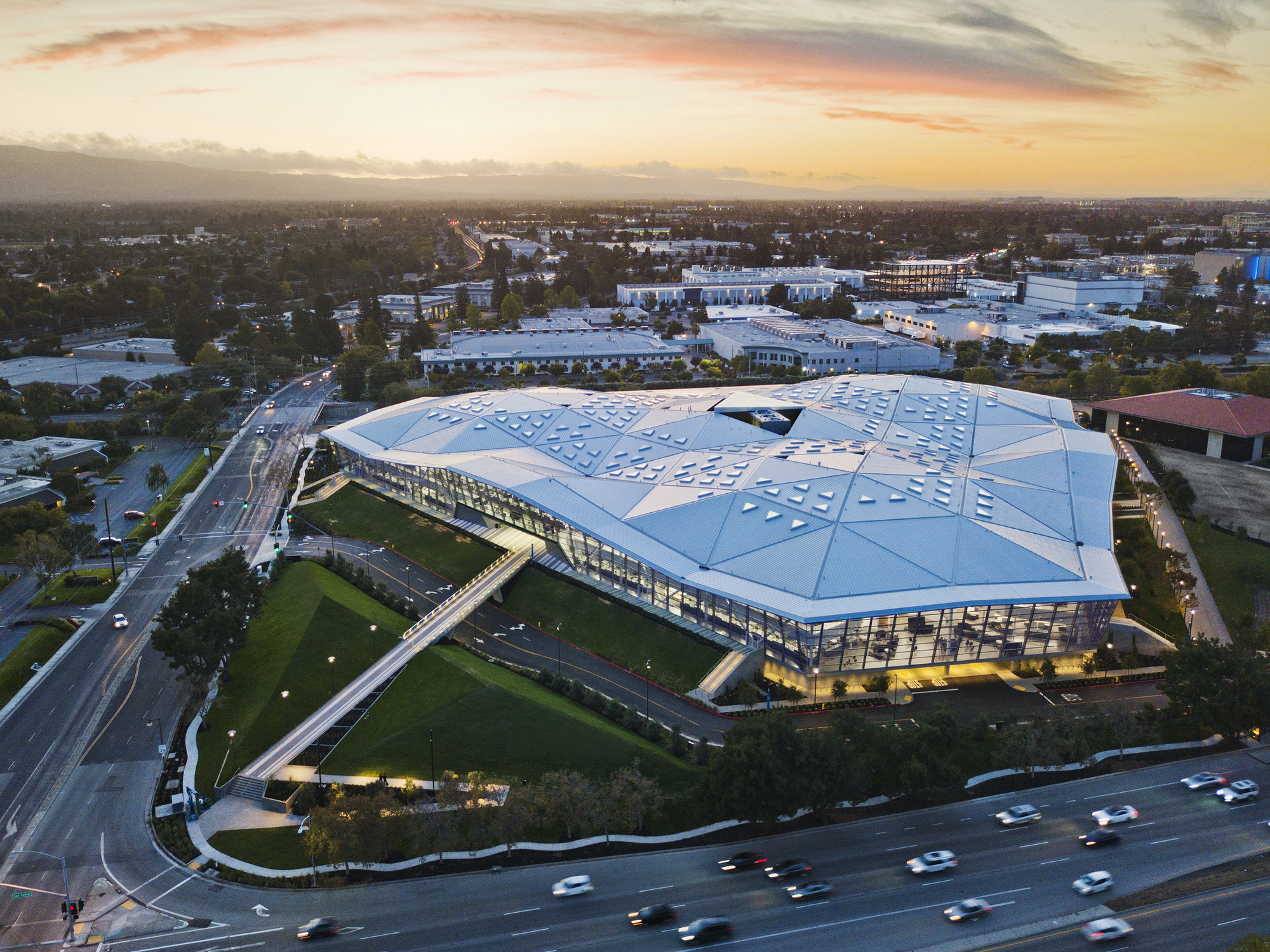
The strategic partnership was formally established on August 13 at Nvidia’s headquarters in Santa Clara, California, with LG Corp Chairman Kwang Mo Koo and Nvidia Chief Executive Officer Jensen Huang attending the signing. Under the terms, LG will manufacture the physical platform internally across its corporate divisions. LG Electronics and LG Innotek will supply the sensors and mechanical actuators, while LG Energy Solution will produce the battery units, allowing LG Group to control the majority of the robot’s bill of materials.
Nvidia is slated to supply the compute architecture and software foundation powering the bipedal unit. Onboard motion control and edge processing will be handled by Nvidia’s Jetson Thor chip, working in tandem with the Isaac GR00T foundation model. The system will also run Halos, a safety framework that Nvidia characterizes as the industry’s initial full-stack safety system designed explicitly for robotics. During the partnership announcement, Huang highlighted the role of physical AI, framing the effort around giving autonomous systems the capacity to "understand the real world, reason and act safely."
Before the bipedal machine debuts, LG intends to roll out operational robotics in its manufacturing facilities. The company plans to deploy its wheel-based automated robot, named CLOiD, onto assembly lines at its washing machine plant in Tennessee prior to the close of 2026. Data gathered from CLOiD's operations will feed into LG CNS’s PhysicalWorks platform to produce synthetic and empirical training datasets for future model development.
The collaboration extends beyond physical robotics into computing infrastructure and automotive applications. The companies are targeting the first half of 2027 to deploy an AI factory reference site based on Nvidia’s Vera Rubin platform. That facility will precede an 80-megawatt computing center scheduled to open in Cheonan, South Korea, by the first half of 2028. Additionally, LG plans to incorporate Nvidia’s DRIVE Hyperion architecture into its connected vehicle division.
Nvidia's supply agreement with LG reflects a broader strategy to license its underlying AI and robotics stack across multiple hardware manufacturers globally. Nvidia has established similar partnerships with Japanese robotics suppliers using its open world models and has expanded its client list beyond Chinese producers like Unitree, which has outpaced Tesla in humanoid shipment volumes. LG also faces domestic competition in South Korea, where Samsung recently launched a dedicated robotics unit directed by its CEO, and Hyundai continues to develop autonomous systems through its Boston Dynamics subsidiary.
While the ambitious humanoid and data center targets remain slated for 2027 and 2028, LG’s immediate focus centers on practical factory automation. The upcoming deployment of CLOiD in Tennessee represents the initial real-world test for LG's broader robotics roadmap as the industry works toward resolving safety and operational challenges in shared human-robot work environments.
Sources
Written by
The Company Wire
Inside the companies building what’s next. Reporting on startups, technology, funding and the people shaping them.