Meta Pursues Consumer AI with Muse Agent as Enterprise Rivals Pivot
While frontier model developers court enterprise contracts, Meta is leaning on its consumer scale with personal agent Muse despite persistent data privacy questions.

Meta Platforms is charting a distinct course in generative artificial intelligence by directing its latest personal agent technology toward consumer everyday tasks rather than enterprise business contracts. At the company's annual Connect event, Chief Executive Mark Zuckerberg outlined plans to integrate artificial intelligence features broadly across Meta's applications, anchored by a new personal agent named Muse, as reported by TechCrunch AI (https://techcrunch.com/2026/09/27/can-muse-overcome-metas-trust-issues/).
The consumer-oriented roll-out stands in contrast to recent moves from frontier model developers such as OpenAI and Anthropic, which have focused resources on enterprise tools and automated coding software to monetize infrastructure expenses ahead of anticipated public offerings. By contrast, Meta is building on its established distribution network across platforms like Facebook, Instagram, and WhatsApp.
Muse was developed following Meta's acquisition and integration of technology from OpenClaw, a system previously noted for enabling users to execute automated tasks on devices through conversational text commands. In addition to mobile software interfaces on iOS and Android, Meta introduced a Tamagotchi-style companion hardware device positioned for adult users.
Hands-on testing highlighted both novel consumer functionality and long-term utility challenges. In initial runs, Muse successfully located unclaimed property funds for a user after scanning relevant records. However, reviewers characterized one-time automated recoveries as novel features that may not sustain daily engagement unless the assistant proves capable of handling routine financial administration, such as auditing credit card statements, identifying recurring subscriptions, or flagging double charges.
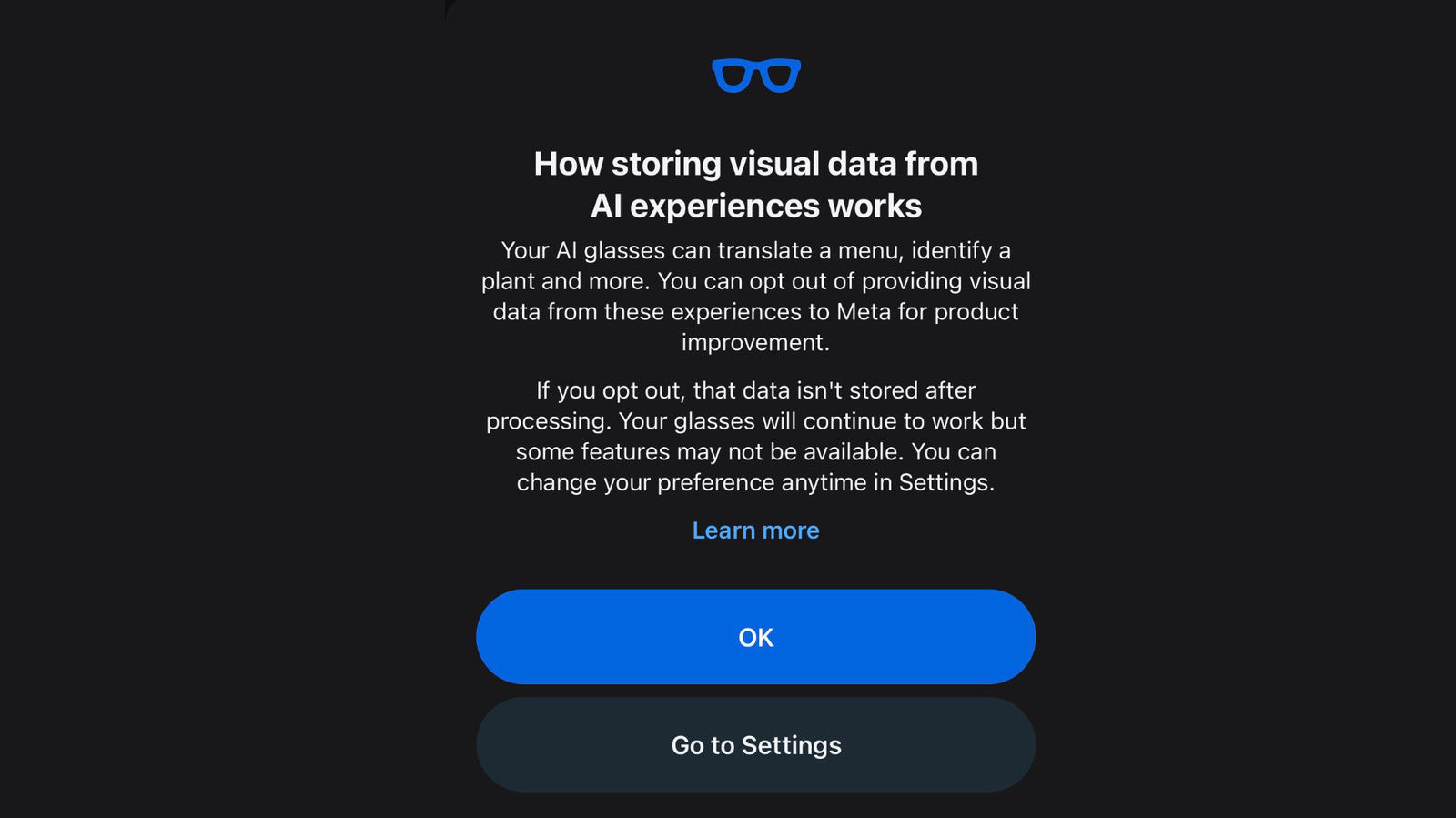
Expanding into recurring administrative tasks requires deep access to personal email accounts and financial credentials, exposing Meta to ongoing user privacy skepticism. Because Meta operates primarily as an advertising network, persuading consumers to grant an automated agent access to personal communications and financial records presents a significant adoption barrier compared to hardware- or subscription-oriented rivals.
Sources
Written by
The Company Wire
Inside the companies building what’s next. Reporting on startups, technology, funding and the people shaping them.