Political Campaigns Spend Over $187 Million on AI Ads as Platforms Scramble to Enforce Disclosures
An analysis by the Wesleyan Media Project reveals widespread adoption of synthetic media in midterm races, highlighting uneven platform enforcement and stalled federal regulations.
Political campaigns and advocacy groups spent more than $187 million on nearly 300 campaign advertisements generated or altered by artificial intelligence during the current midterm cycle, according to an analysis by the Wesleyan Media Project reported by CNBC Business (https://www.cnbc.com/2026/11/03/ai-generated-slopaganda-in-political-ads-puts-platforms-on-alert.html).
The findings highlight how rapidly generative media has moved from fringe experimentation into high-stakes campaign machinery. The Wesleyan Media Project noted that the $187 million figure is almost certainly an undercount because many ads omit transparency markers and verifying synthetic elements remains technically difficult. The group's tracking revealed that more than 90 percent of the documented spending came from Republican candidates, party committees, or conservative political action groups, with the vast majority running without explicit disclosures.
The flood of synthetic campaign content—frequently described by academic researchers as 'slopaganda'—arrives amid a persistent federal regulatory void. While roughly 30 states have enacted disparate laws governing synthetic media disclosures, compliance is spotty and federal legislative efforts remain paralyzed. Bipartisan proposals such as the Protect Elections from Deceptive AI Act, as well as the Democratic-backed AI Ads Act, have failed to move past congressional committee reviews.
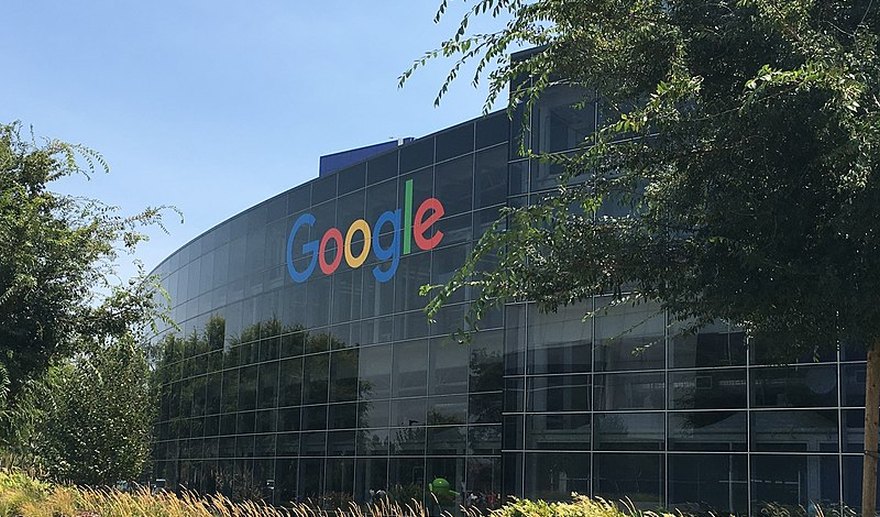
This legal vacuum places the primary enforcement burden onto distribution networks including Meta, Google's YouTube, and X. YouTube confirmed to CNBC Business that it places prominent labels on realistic AI content, permits political candidates to request the takedown of organic videos where their likeness is altered, and mandates that advertisers declare synthetic or digitally manipulated individuals or events. Parent company Google additionally subjects election advertisers to identity verification protocols and requires 'paid for by' disclaimers.
Meta limits new political advertisements in the final week before an election, requires sponsor labels, and maintains a searchable political ad registry. In June, Meta expanded automated detection by rolling out an 'about this ad' feature that identifies placements created with third-party generative tools. Conversely, X places the regulatory burden entirely on media buyers, maintaining that advertisers are responsible for complying with applicable local and federal laws; the company did not respond to requests for comment.
Enforcement difficulties are exacerbated outside paid advertising units, where campaigns circulate synthetic media organically without ad disclosure requirements. In New York, Republican challenger Bruce Blakeman published an altered video portraying Democratic Governor Kathy Hochul without disclosure labels. In Texas, Republican Senate candidate Ken Paxton's campaign distributed an AI-generated video depicting Democratic opponent James Talarico making controversial statements across YouTube and X, featuring only a brief three-second disclaimer midway through the footage. Neither campaign responded to inquiries from CNBC Business.
Platform operators also confront risks at the foundation model layer. Independent testing by the Brennan Center for Justice across OpenAI's ChatGPT, Google's Gemini, xAI's Grok, Anthropic's Claude, Perplexity, and DeepSeek found in August that while systems generally resisted direct conspiracy theories, most could still be steered into creating deceptive election material. Follow-up testing in October showed uneven mitigation progress: ChatGPT, for example, began refusing certain election image prompts or redirecting them into stylized, comic-style illustrations.
With major federal guardrails absent, social platforms and digital distribution channels face the coming election cycles reliant on fragmented state mandates and platform-specific policies that remain vulnerable to evasion.
Sources
Written by
The Company Wire
Inside the companies building what’s next. Reporting on startups, technology, funding and the people shaping them.