Musician Jason Isbell Leads Class-Action Lawsuit Against AI Music Startup Suno Over Identity Misappropriation
A group of artists claims the Cambridge generative AI startup encoded voiceprints and performance styles directly into its model, bypassing prompt guardrails.
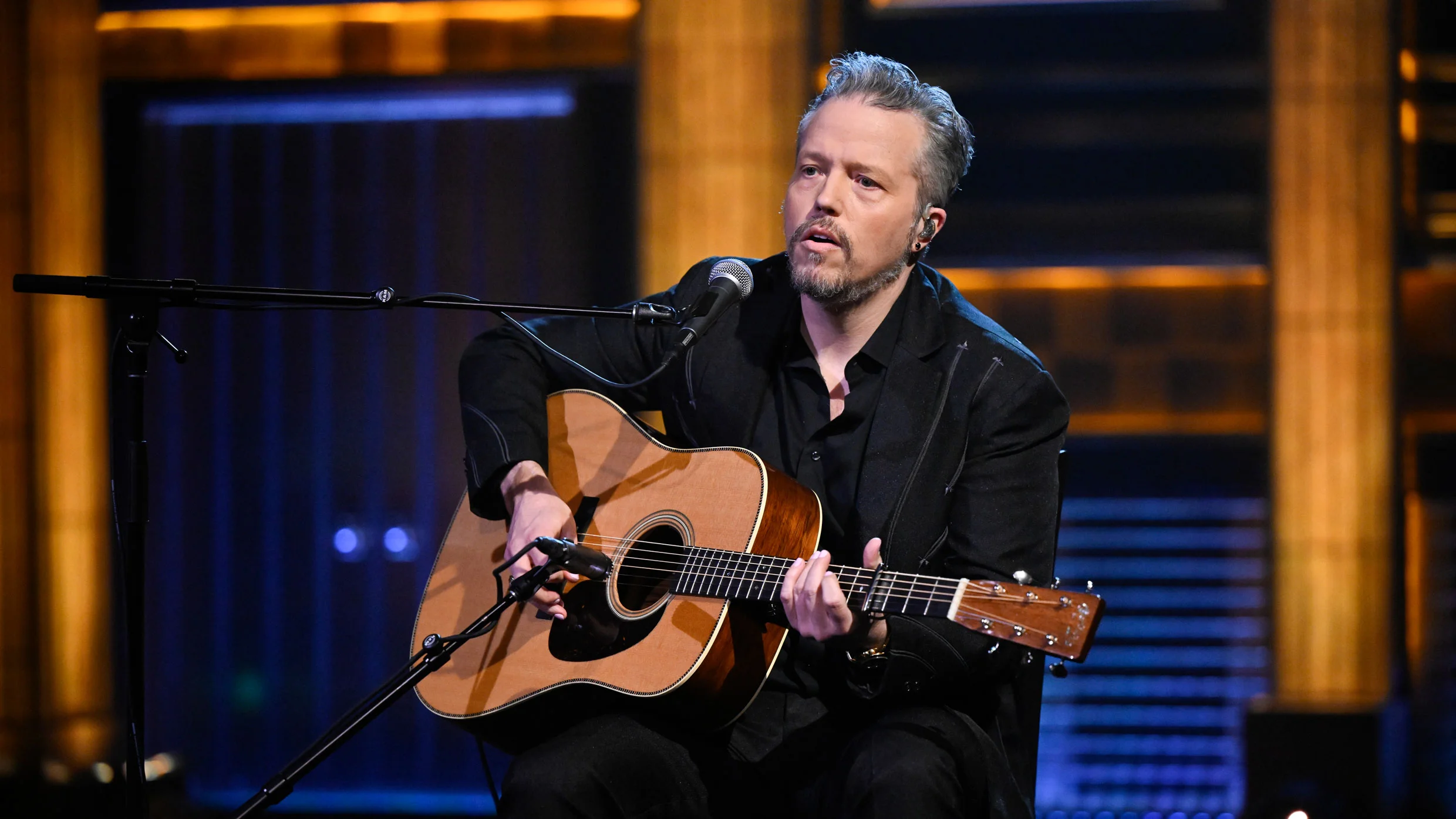
Musician Jason Isbell has joined a group of recording artists in filing a federal lawsuit against artificial intelligence music generator Suno, alleging that the startup unlawfully harvested and monetized their unique artistic identities. The complaint, filed in the U.S. District Court for the District of Massachusetts, seeks class-action status alongside unspecified financial damages. Joined by Cracker and Camper Van Beethoven frontman David Lowery, Texas blues singer-songwriter Guy Forsyth, and saxophonist Eduardo Calle, the plaintiffs argue that Suno’s platform enables users to generate synthetic tracks that replicate distinct performer signatures without consent.
The lawsuit takes an unusual rhetorical approach for a high-stakes technology filing, opening with an extended commentary on the Borg—the collective cybernetic villains from Star Trek: The Next Generation. According to court filings first reported by Fast Company Tech, the plaintiffs draw a direct parallel between the fictional collective and Suno's software architecture, asserting that the platform functions as a centralized repository that strips individual artists of their identity and autonomy. The filing contends that an artist's distinct musical identity remains their exclusive property, regardless of how advanced the underlying machine learning technology becomes.
Unlike standard intellectual property disputes centered strictly on copyrighted audio recordings, the lawsuit focuses primarily on performer identity and right-of-publicity claims. The complaint alleges that Suno captured, stored, and tokenized musicians' voiceprints and performance styles during the training of its generative algorithms. By embedding these personal attributes directly into its core technology, the filing claims, the startup created a commercial product that profits from artist identities while bypassing traditional licensing frameworks and fair compensation.
In a statement provided to Fast Company Tech, a spokesperson for Suno rejected the allegations, stating that the company considers the claims meritless and intends to defend itself in court. The spokesperson emphasized that the platform is engineered to foster original composition rather than trade on established performers' names. Suno highlighted platform guardrails designed to block user prompts containing specific artist names or copyrighted titles. That position reflects remarks made last month by Suno Chief Executive Officer Mikey Shulman, who stated in a blog post that the company intentionally excluded artist names from its training metadata to ensure outputs remain original.
However, the legal complaint contends that Suno’s system safeguards are easily circumvented by users seeking to clone artist styles. The plaintiffs allege that because the AI model’s training data deeply integrated voiceprints and stylistic attributes, basic text-prompt restrictions do not prevent the software from generating songs that closely mimic specific musicians. The filing argues that Suno continues to publicly exploit these ingested identity markers for significant commercial advantage without obtaining prior permission or offering royalty payments to the affected creators.
The legal action marks the latest challenge for Suno, which was previously targeted by major record labels in a copyright infringement suit brought by the Recording Industry Association of America. While Warner Music Group reached a settlement agreement with Suno last November, Universal Music Group and Sony Music Entertainment continue to pursue their claims against the startup. In previous legal filings addressing the label litigation, Suno argued that major record companies were attempting to suppress market competition and restrict new creative tools designed for everyday users and educators.
The case against Suno highlights a growing wave of legal battles across the generative AI industry as technology companies face intense opposition from content creators over model training practices. Anthropic is currently defending against lawsuits brought by Sony Music, Warner Chappell, and Universal Music Group over allegations that its Claude language model ingested copyrighted song lyrics. Meanwhile, synthetic voice startup Lovo is contesting a trademark violation suit filed by voice actors who allege the platform duplicated their vocal signatures without authorization.
Sources
Written by
The Company Wire
Inside the companies building what’s next. Reporting on startups, technology, funding and the people shaping them.