Nvidia and Broadcom Advance Contrasting Chip Strategies Amid Surging AI Hardware Demand
A financial comparison of recent quarterly earnings underscores how general-purpose GPUs and custom ASICs are shaping market share and stock valuations.

Two of the technology sector's largest semiconductor designers, Nvidia and Broadcom, are expanding their footprints in the artificial intelligence hardware market through fundamentally different architectural strategies, according to a financial comparison first reported by Yahoo Finance. While Nvidia continues to lead the general-purpose processing market, Broadcom is increasingly securing market share by designing tailored chips for large cloud operators.
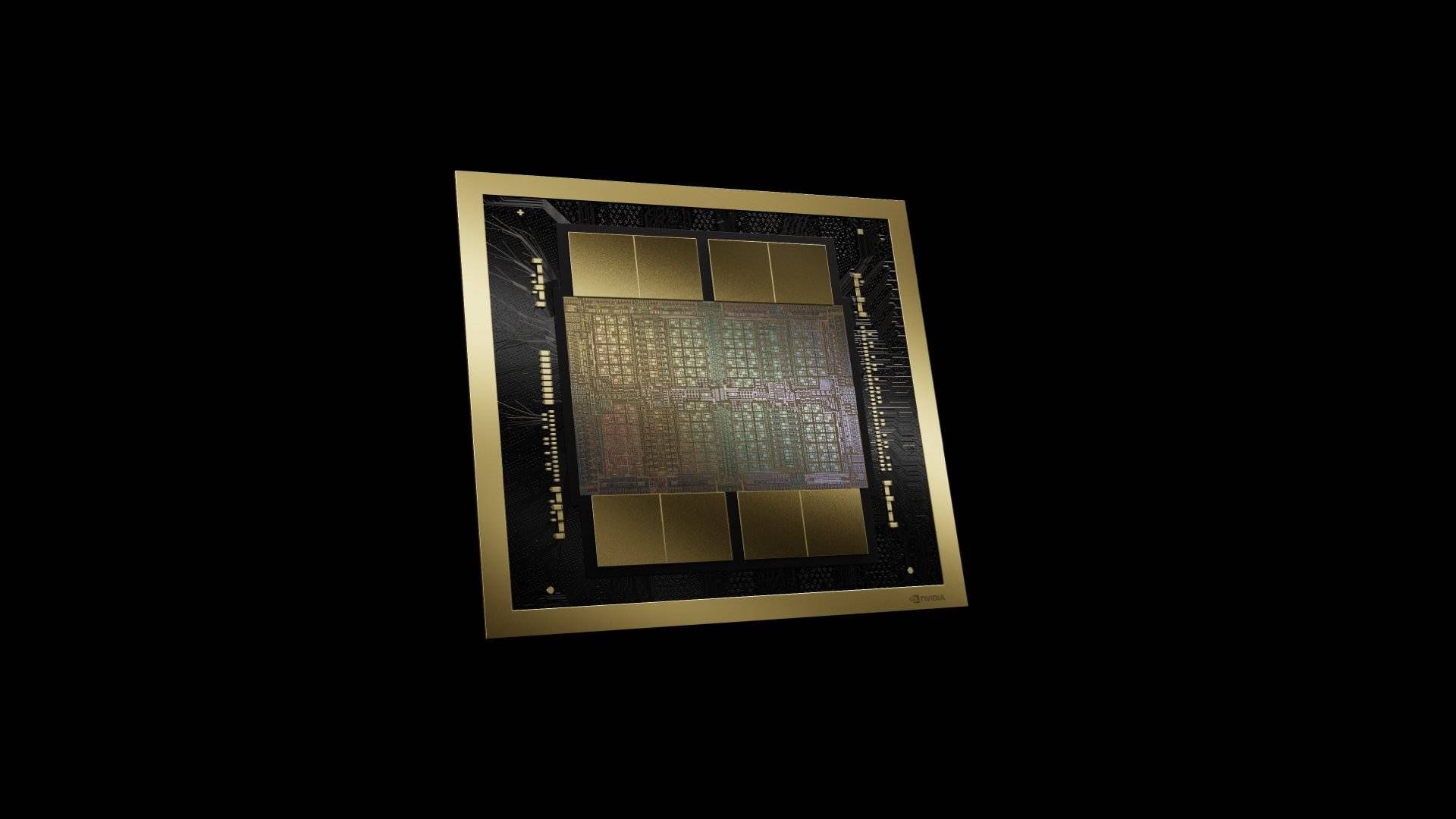
Nvidia’s core hardware revenue relies on graphics processing units (GPUs), which function as versatile accelerated computing engines. These chips can execute parallel processing across a broad range of enterprise and machine learning workloads. However, utilizing multi-purpose GPUs exclusively for single, highly repetitive tasks can result in underutilized processing capacity.
Broadcom addresses those operational trade-offs by developing application-specific integrated circuits, or ASICs. By engineering chips dedicated exclusively to specialized computational tasks, non-essential hardware components can be stripped from the design, lowering production and operational costs for data center infrastructure.
Demand for custom ASICs has gained traction among major hyperscale internet companies and frontier artificial intelligence research organizations. Broadcom has secured custom silicon partnerships with major cloud firms including Alphabet and Meta Platforms, as well as model developers like Anthropic and OpenAI, as chip volume orders begin to scale up.
Financial disclosures from both corporations reflect substantial top-line acceleration driven by artificial intelligence infrastructure investments. Broadcom, which released its fiscal third-quarter financial results on Sept. 2, reported that revenue from its AI semiconductor division surged 221% year-over-year to reach $16.7 billion, pushing the company’s total quarterly revenue up 86%.
Nvidia recorded significant expansion in its data center division, which handles the company's primary AI processing hardware. Data center revenue grew by 117% year-over-year to $89 billion, lifting Nvidia's overall revenue growth rate to 106% for the quarter across a larger baseline.
Looking at long-term operational targets, Broadcom has pointed to continued growth potential through 2027 as custom chip production schedules ramp up. In its disclosures to investors, Nvidia signaled that it anticipates a revenue growth rate of 70% for its upcoming fiscal year.
From a prospective valuation standpoint, both semiconductor companies currently trade at earnings multiples below 20 times projected next-year earnings. Valuations calculated at 30 times forward earnings indicate potential upside exceeding 50% for Broadcom, while Nvidia's projected earnings trajectory presents the potential to double its current share valuation.
Sources
Written by
The Company Wire
Inside the companies building what’s next. Reporting on startups, technology, funding and the people shaping them.