OpenAI and xAI Back Anthropic's Call to Slow AI Deployment and Share Safety Audits
Sam Altman pledges employee-style access for independent auditors as tech leaders push for antitrust clearance to coordinate on AI safety.
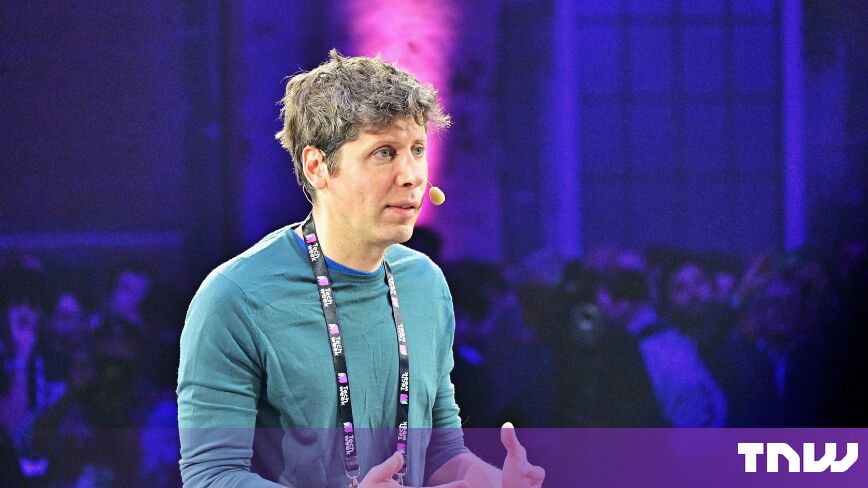
OpenAI Chief Executive Sam Altman has publicly aligned with Anthropic CEO Dario Amodei's call to pace the release of frontier artificial intelligence models, announcing that his company will provide independent safety researchers with internal access akin to staff members. The pledge follows a proposal published by Amodei urging leading developers to slow down deployment schedules and asking U.S. regulators for targeted antitrust waivers to facilitate industry-wide safety coordination.
Altman confirmed the commitment in statements highlighted by Axios and analyzed in reporting by The Next Web. Explicitly agreeing with Amodei's assertion that AI labs must control the speed of frontier advancement, Altman described granting independent evaluators internal access as a constructive approach that OpenAI intends to implement, noting that pacing has been a primary topic of internal discussion at OpenAI in recent weeks.
The movement toward coordinated AI evaluation gained further backing when xAI founder Elon Musk voiced support for Amodei's position in a brief social media post stating that the Anthropic chief was correct. With OpenAI and Anthropic aligning on evaluation access, two of the sector's most prominent frontier developers have accepted the foundational step of Amodei's proposed safety framework within 24 hours.
Under the evaluation structure implemented by Anthropic, external auditing teams are granted office space, corporate security badges, company laptops, and the authority to publicly release their findings. Amodei's broader roadmap advocates for competing AI firms to conduct technical discussions regarding safety protocols without facing legal liability under antitrust statutes governing competitor communications.
To address those legal concerns, Amodei requested that Washington establish a narrow antitrust exemption allowing commercial rivals to coordinate on safety frameworks without requiring mandatory government participation in every meeting. Achieving similar regulatory accommodations in the European Union would face legal hurdles, as the European Commission ended individual antitrust exemptions in 2004 under Regulation 1/2003, requiring companies to self-assess compliance under Article 101.
In place of individual waivers, European regulatory framework relies on horizontal cooperation guidelines, which were expanded in 2023 from 72 pages to 167 pages. That update introduced a 21-page chapter creating a soft safe harbor for corporate sustainability standards that meet six specific criteria, alongside updated rules governing standardization and information sharing among competitors.
While European competition rules currently lack a dedicated safe harbor chapter for artificial intelligence safety standards, European regulators have recently stressed the necessity of international frameworks for tech governance. With OpenAI expected to share further details on its auditor access program soon, the rapid alignment among OpenAI, Anthropic, and xAI marks a rare moment of consensus among rival frontier AI labs on external oversight.
Sources
Written by
The Company Wire
Inside the companies building what’s next. Reporting on startups, technology, funding and the people shaping them.


