Scaleout Systems Demonstrates Jam-Resistant Autonomous Target Selection in Swedish Drone Test
The Uppsala-based AI startup integrated edge computing software into BAE Systems Bofors' loitering ammunition program, identifying and striking targets without real-time human intervention.
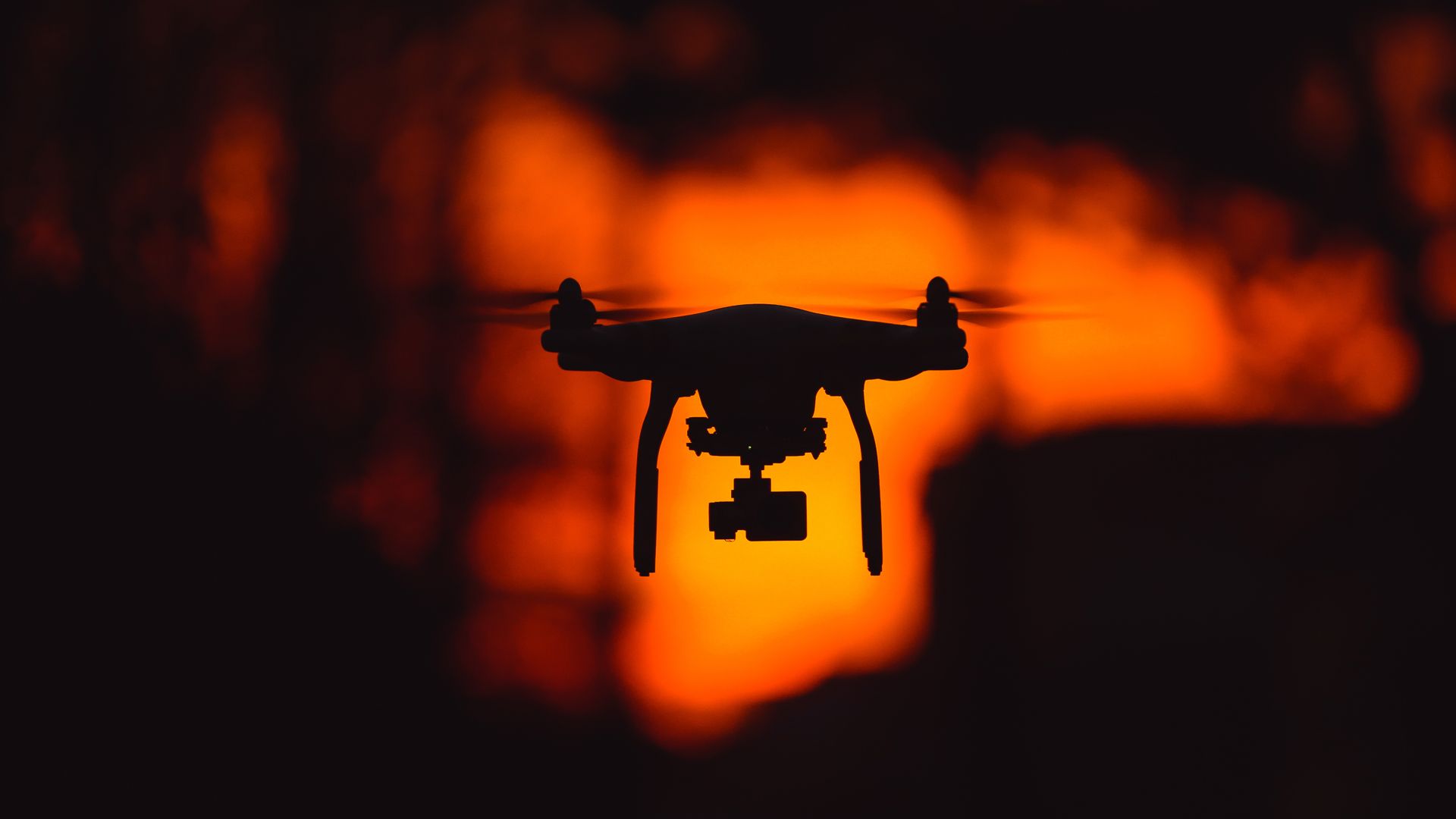
Swedish artificial intelligence startup Scaleout Systems demonstrated autonomous targeting capabilities on a small unmanned aerial vehicle during a military test in January 2026, according to a report by TechRadar Pro . Operating as part of BAE Systems Bofors' Affordable Loitering Modular Ammunition (ALMA) program, the AI-equipped drone detected multiple objects, ranked an armored engineering vehicle as the highest-value target, and dropped an explosive payload without human involvement in the selection, targeting, or neutralization phases.
The demonstration occurred over a snow-covered test range in Karlskoga, Sweden, as part of the BAE Systems Bofors Winter Demo 2026. Human operators set the operating parameters for the exercise and initiated the flight, while the onboard software from Uppsala-based Scaleout Systems independently executed threat detection, identification, geolocation, and strike selection. Scaleout Systems maintained a safety pilot on standby with a continuous communications link during the exercise.
Autonomous targeting software offers tactical resilience in electronic warfare environments, where radio jamming frequently breaks data links between human operators and remote-piloted craft. Operating without a required backlink reduces vulnerability to signal disruption. Conversely, defense analysts emphasize that fully autonomous targeting heightens operational risks if software malfunctions, misidentifies objects, or operates without human oversight when communications are cut.
BAE Systems Bofors' official summary of the Winter Demo 2026 showcase did not highlight the kinetic autonomous strike, framing the three-day Karlskoga event around roughly 20 participating startups and technology companies. Swedish Defense Minister Pål Jonson participated in a panel at the showcase, noting, "We need more actors and entrepreneurs in the defense industry."
Autonomous weapon systems date back decades; Israel's Harpy loitering munition, fielded in the 1990s, was designed to autonomously track and strike unmapped radar emitters. However, modern onboard artificial intelligence allows smaller airframes to rank and select dynamic targets without requiring external data links.
The demonstration resurfaced as international bodies grapple with the governance of autonomous military systems. On September 5, the 128 states party to the Convention on Certain Conventional Weapons agreed on a non-binding text regarding lethal autonomous weapons, following late amendments pushed by the United States and Russia regarding human judgment and control. Nicole van Rooijen of the Stop Killer Robots coalition told Reuters that the revisions meant three years of work had been "substantially diluted in the last hours."
Sources
Written by
The Company Wire
Inside the companies building what’s next. Reporting on startups, technology, funding and the people shaping them.