South Korea's Ulsan Launches $37M Underwater AI Data Center Project
The coastal municipal initiative, backed by KIOST and SK Telecom, aims to bypass real estate and power constraints by housing server infrastructure off the coast.
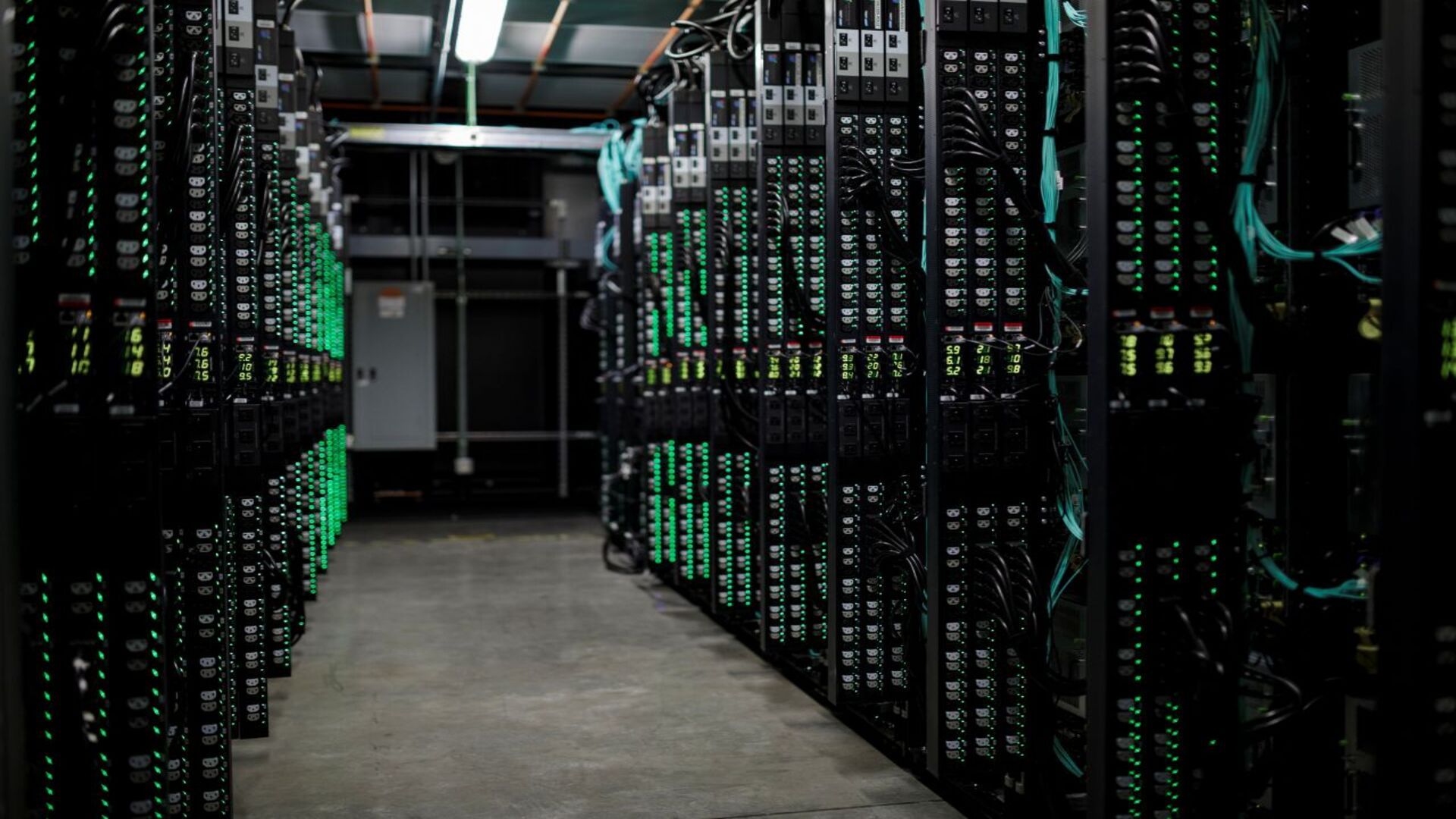
The coastal city of Ulsan in South Korea is turning to deep-water infrastructure to address mounting physical and thermal challenges associated with artificial intelligence data centers, as first reported by TechRadar Pro. Facing severe constraints on municipal real estate, power grid access, and cooling capacity, local leadership has initiated a specialized subsea project aimed at housing server installations beneath the ocean surface.
To execute the initiative, Ulsan has partnered with the Korea Institute of Ocean Science and Technology (KIOST) under a venture running through 2030. The combined financial commitment for this initial phase is KRW 51.1 billion (approximately $37 million). South Korea’s central government is contributing KRW 40 billion (roughly $29 million) toward the budget, with municipal authorities covering the remainder.
The joint entity aims to produce a standardized, carbon-neutral template for underwater facility deployment that can be replicated along other coastal areas. “Ulsan plans to complete the standard model by 2030 and begin developing an underwater data-center complex for commercialization from 2031,” the city said.
Engineers intend to place test modules approximately 20 meters below the surface off the Ulsan shoreline. The design relies on ambient ocean water, which maintains an average annual temperature of 13.3 degrees Celsius, to form the backbone of a high-efficiency cooling system. By encasing server units and power distribution hardware inside pressure-resistant, modular containers, project architects hope to bypass traditional mechanical refrigeration and achieve an operational power usage effectiveness (PUE) rating near 1.2.
Commercial enterprise participation expanded when telecommunications operator SK Telecom joined the partnership in January 2026. Under the agreement, SK Telecom is responsible for managing GPU-based architecture and ongoing server operations. Additional academic institutions and research organizations are contributing specialized expertise spanning pressure vessel engineering, hardware standardization, and management software for underwater AI workloads.
The subsea strategy reflects broader structural hurdles across South Korea, where rapid AI adoption among semiconductor manufacturers, cloud service providers, and research laboratories has outpaced available land in urban centers. Constructing facilities near major metropolitan areas has become increasingly difficult, driving infrastructure planners to evaluate aquatic environments as scalable alternatives.
Beyond the initial testing program, Ulsan officials have discussed a long-term commercial concept estimated at KRW 500 billion (around $360 million). That hypothetical expansion could house up to 100,000 servers, though project leaders emphasized that moving to full commercial scale will depend entirely on performance data gathered during the preliminary phase.
Sources
Written by
The Company Wire
Inside the companies building what’s next. Reporting on startups, technology, funding and the people shaping them.