Storage Vendors Unveil Integrated Strategies to Tackle Enterprise AI's Unstructured Data Bottleneck
Executives from Supermicro, Hammerspace, Cloudian, and Seagate detail hardware and software solutions to curate, govern, and pipeline massive unstructured datasets for AI workloads.
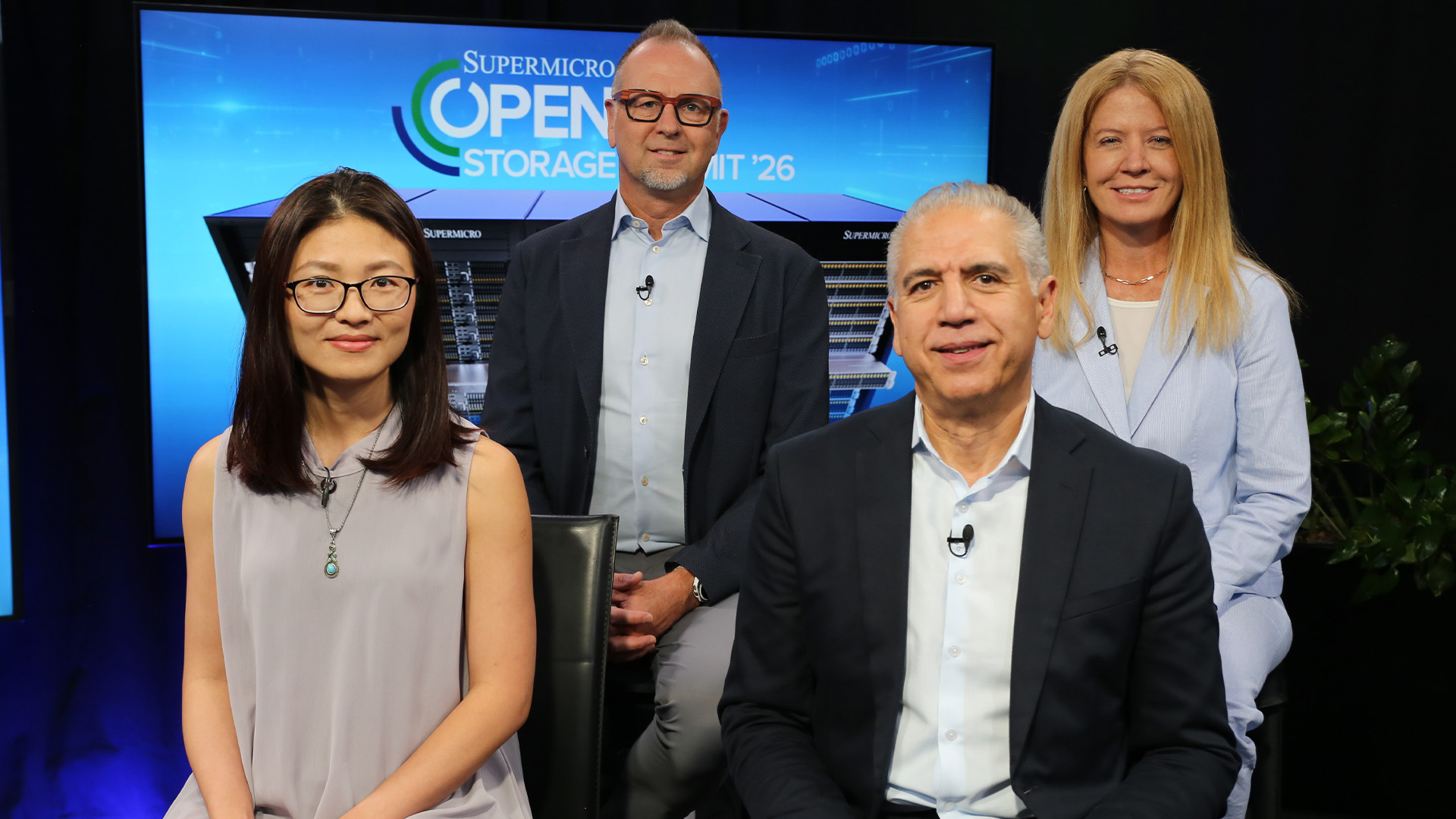
More than 80 percent of enterprise information is trapped in unstructured formats, creating a critical bottleneck for organizations seeking to train and deploy artificial intelligence models. To unlock this data pool, hardware and software storage providers—including Super Micro Computer Inc., Hammerspace Inc., Cloudian Inc., and Seagate Technology LLC—are building integrated infrastructure solutions designed to automate, govern, and streamline data movement, as detailed in a broad industry discussion first reported by SiliconANGLE's livestreaming studio, theCUBE.
According to research estimates cited by theCUBE Research, unstructured enterprise data consists of unorganized files such as documents, videos, system logs, email records, photos, and audio recordings. While past storage strategies focused primarily on passive archiving, backup, and recovery, managing data for modern AI workloads demands continuous orchestration and rapid data delivery across distributed environments.
Molly Presley, chief marketing officer at Hammerspace, noted during the interview series hosted by Rob Strechay that unifying and automating data movement represent the primary challenges in unstructured data management today. To accelerate AI pipelines, Hammerspace is developing a Model Context Protocol (MCP) layer aimed at helping AI agents and algorithms index and understand distributed datasets before executing compute-heavy GPU tasks.
On the hardware front, Supermicro is building high-density systems specifically tailored for software-defined storage architectures. Sherry Lin, senior product manager of SDS solutions at Supermicro, highlighted the company's Context Memory storage servers, which are designed to handle offloading and sharing of key-value caches for large language model inference workloads requiring high throughput and low latency.
Lin detailed a multi-vendor integration framework co-engineered across the ecosystem. Under this setup, Hammerspace delivers a global unified namespace and data orchestration layer across storage tiers, Cloudian provides an S3-compliant object storage data lake for active AI applications, and Seagate hard disk drives provide the high-capacity storage foundation at the end of the data lifecycle.
Maintaining governance over these massive datasets remains essential as information moves across enterprise environments. Peter Sjoberg, vice president of worldwide solution architects at Cloudian, explained that the company's S3-native object storage keeps unstructured data secure and under strict organizational control while allowing it to be mobilized for diverse AI processing requirements.
Evaluating data quality and structure is also crucial for hardware planning, according to Mohamad El-Batal, chief systems technologist in the Office of the CTO at Seagate. El-Batal noted that structured data preparation directly impacts model development, compliance auditing, and output debugging, forcing enterprises to strike a balance between infrastructure spending and operational efficiency.
Sources
Written by
The Company Wire
Inside the companies building what’s next. Reporting on startups, technology, funding and the people shaping them.


