The Rise of 'Vibe Coding' Drives Growth and Security Debates Across Tech Sector
AI-generated software development is transforming programming workflows, but security vulnerabilities and shifts in entry-level hiring are fueling industry backlash.
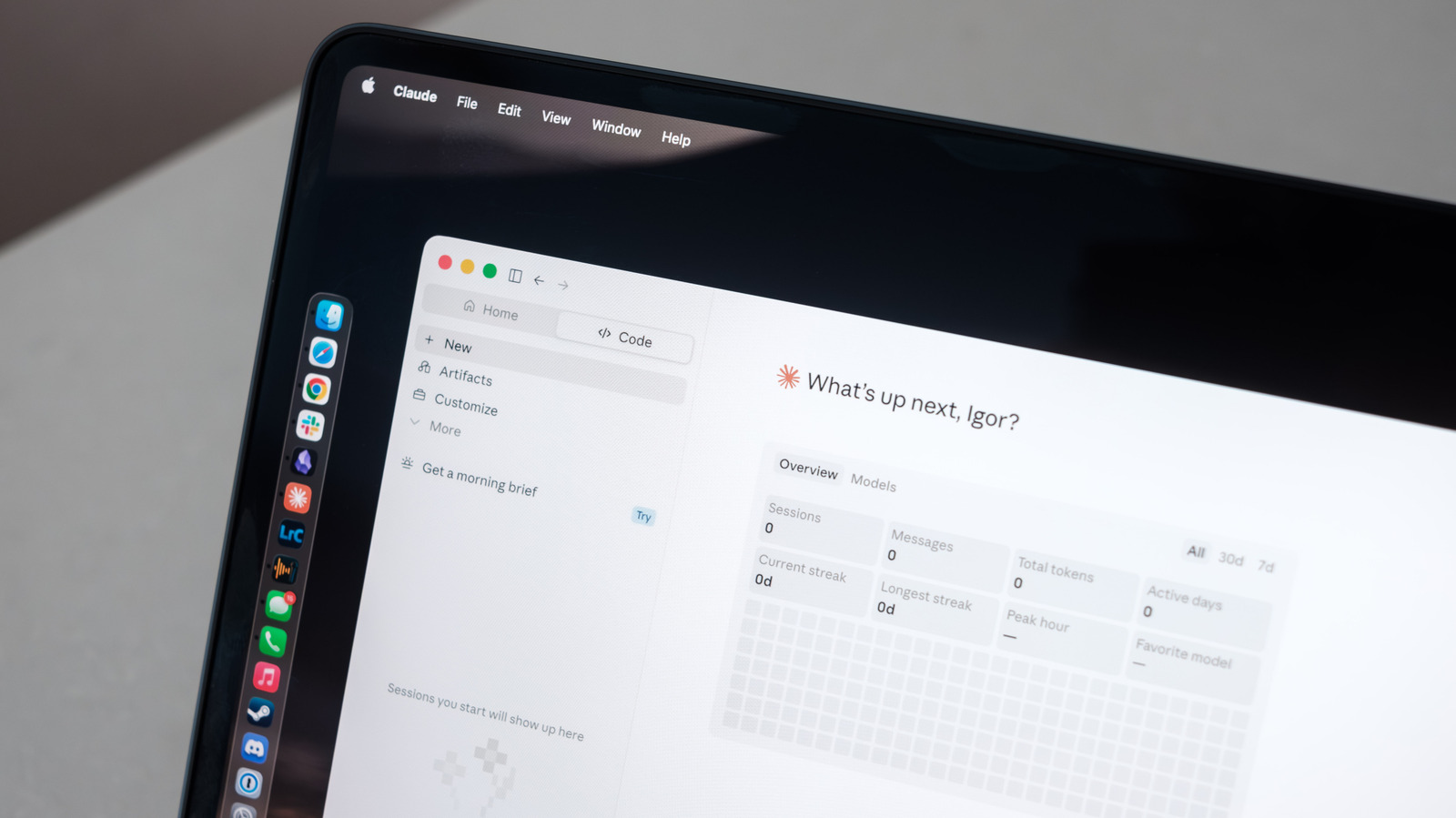
The concept of 'vibe coding'—a software development methodology in which developers rely primarily on large language models to write and assemble application code—has emerged as a central point of discussion across the technology industry, as reported by Engadget. While supporters celebrate the trend for allowing non-technical individuals to build functional applications, cybersecurity researchers and veteran engineers caution that automated software generation introduces structural vulnerabilities and long-term maintenance challenges.
The term was originally introduced in February 2025 by Andrej Karpathy, an artificial intelligence researcher who previously led Tesla's Autopilot Vision initiative. In a post published to X, Karpathy described an emerging style of programming where developers can 'fully give in to the vibes, embrace exponentials, and forget that the code even exists.' He attributed the capability to rapid performance improvements in large language models, specifically citing developer tools like Cursor Composer running Anthropic's Claude Sonnet.
Advocates of AI-driven development emphasize that language models democratize software creation by making software engineering accessible to non-programmers. Examples include non-technical professionals in fields like veterinary medicine who have successfully built custom health-tracking applications to manage specialized care routines. Conversely, critics argue that heavy reliance on artificial intelligence leads to fragile software architectures, noting that non-technical creators often lack the skills required to correct errors when automated models fail to produce functional code.
Academic research highlights the security risks tied to automated code generation. In April, researchers from the School of Cybersecurity and Privacy at the Georgia Institute of Technology evaluated 43,000 security advisories logged during a three-month period at the beginning of the year. The investigation identified 74 software vulnerabilities directly attributable to AI-generated code, including 14 flaws classified as critical. The research team noted that the actual volume of AI-induced vulnerabilities is likely five to 10 times higher than recorded, as their dataset was restricted to codebases where LLM usage was formally disclosed.
Despite software quality and security concerns, adoption of AI tools among professional software developers continues to accelerate. A recent survey evaluating 1,100 professional engineers who have tested AI programming tools found that 72 percent use AI assistants every day. On average, respondents reported that approximately 42 percent of their active codebase is currently AI-generated or AI-assisted, with the surveyed group predicting that automated code will account for more than half of their codebases within the next year.
Data indicates a distinction between full automated code generation and standard developer workflows. Results from the Stack Overflow 2025 developer survey showed that while 47.1 percent of respondents utilize AI tools on a daily basis, 72 percent stated that vibe coding is not part of their standard workflow. An additional 5 percent stated that vibe coding was emphatically excluded from their jobs. As of mid-2025, most professional software engineers restricted AI tool usage to targeted tasks such as code autocomplete, automated reviews, and troubleshooting logic obstacles.
The broader deployment of AI coding assistants is also reshaping engineering workforce dynamics. Senior software engineers increasingly use artificial intelligence to automate routine coding tasks that were historically assigned to junior team members. As technology companies scale back entry-level hiring in response to these automated efficiencies, the shift is reducing traditional early-career pathways into the software engineering industry.
Sources
Written by
The Company Wire
Inside the companies building what’s next. Reporting on startups, technology, funding and the people shaping them.