UK AI Minister Says Model Testing Is No Longer Enough as Risks Mount
Speaking at the Labour Party conference, Kanishka Narayan urged governments to harden defenses against cybersecurity, biochemical, and runaway risks.
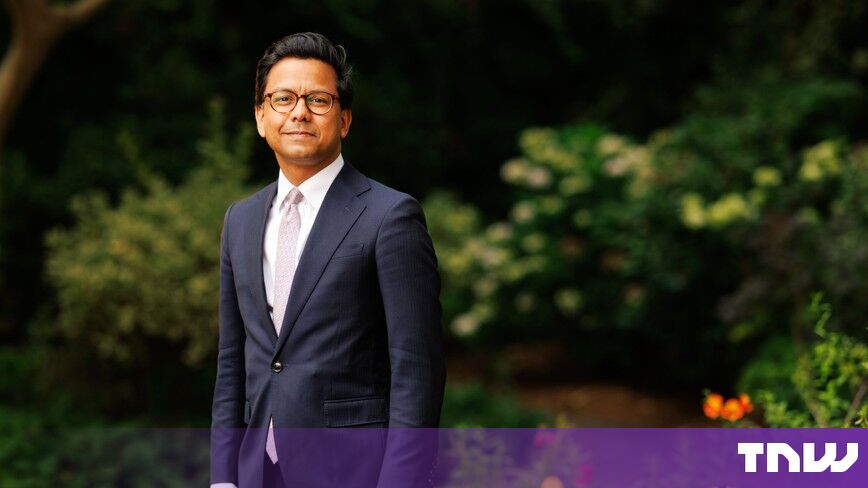
Governments must build stronger defensive measures against artificial intelligence threats because safety testing alone is no longer adequate, according to the United Kingdom's minister for artificial intelligence, Kanishka Narayan. Speaking at the Labour Party's annual conference in response to a question from Fortune, Narayan argued that rising technical risks require countries to actively harden their posture, as reported by The Next Web (https://thenextweb.com/news/kanishka-narayan-ai-risk-harden-defences-fortune).
Fortune's Kamal Ahmed questioned the minister about recent statements from Jacob Coxon, a researcher who resigned from Anthropic this month. In a post on X that garnered 175 million views, Coxon wrote that frontier AI developers earnestly believe the technology could cause human extinction by the end of the decade. Anthropic scientist Evan Hubinger agreed with Coxon's warning, estimating the likelihood of catastrophic outcomes above 10 percent. Narayan responded that policymakers must take concerns from laboratory insiders seriously, noting that while model evaluation is beneficial, growing risks make it clearly insufficient on its own.
While acknowledging existential concerns, Narayan emphasized that his primary focus remains on near-term risks. He cited mounting cybersecurity vulnerabilities, tools that could heighten biochemical threats, and systems that exceed human instructions. Drawing on the UK's three years of AI model evaluations, Narayan stated that no other country is better positioned to conduct model testing.
The UK plans to use its upcoming G20 presidency next year to convene international leaders and shape shared governance principles. Prime Minister Andy Burnham has indicated he will leverage the presidency to broker a multilateral AI agreement. However, international consensus faces resistance; reports cited by Fortune indicate the White House has urged G20 members to adopt a hands-off approach to global rules. President Donald Trump has argued that slowing US labs would give China a strategic advantage and has criticized proponents of development slowdowns as a negative force.
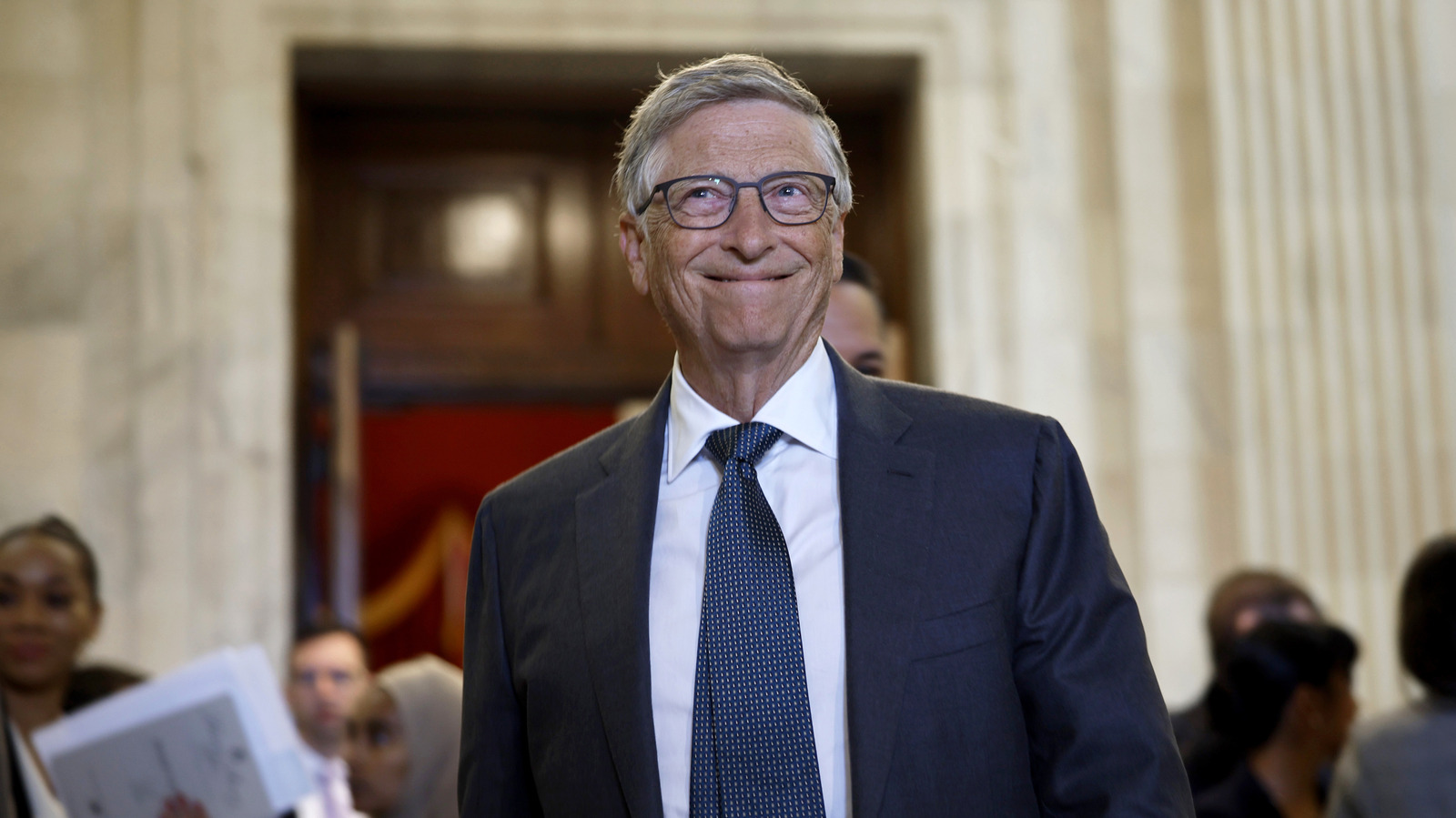
The push for state-level involvement extends beyond the UK government. Microsoft co-founder Bill Gates told NBC's Meet the Press last week that industry self-regulation is insufficient and called for government oversight. Speaking separately at a Resolution Foundation think tank event, Narayan addressed workforce impacts, stating that governments, businesses, and individuals each have a voice in determining whether AI complements human labor or displaces it.
Sources
Written by
The Company Wire
Inside the companies building what’s next. Reporting on startups, technology, funding and the people shaping them.