UN Rights Chief Demands Immediate AI Governance as Tech Leaders Debate Slowdown
Volker Turk warns of 'unprecedented risks' from advanced frontier models, urging global action as executives from Anthropic, OpenAI, and xAI weigh calls to pace development.

The United Nations' top human rights official has issued an urgent appeal to national governments and leading artificial intelligence developers, warning that the unchecked advancement of frontier AI models presents unprecedented hazards to global society. In a formal communication dispatched on Monday, UN High Commissioner for Human Rights Volker Turk urged immediate multilateral action to establish human-rights-focused regulatory frameworks for cutting-edge machine learning technologies, as first reported by TechXplore.
Turk's intervention comes amid mounting public controversy and internal debate across the technology sector regarding the speed of AI development. In his letter, which was distributed to news organizations, Turk warned that humanity stands at the threshold of irreversible structural changes that will impact present and future generations. He characterized the ongoing competitive race to build increasingly potent artificial intelligence systems as a step change toward heightened existential threats across all domains of human life.
The UN rights office confirmed that Turk sent his message directly to ten major tech entities operating at the forefront of the industry, including Anthropic, OpenAI, xAI, Meta, Microsoft, and Alphabet's Google. Commenting on the concentrated market power of these organizations, Turk wrote that global society relies almost entirely on a small number of powerful companies to make critical choices about AI development. While he acknowledged that industry co-regulation represents a necessary initial measure, he asserted that private governance mechanisms alone are nowhere near sufficient.
The global call for regulation follows a series of high-profile disclosures and public statements from industry insiders. Earlier this month, a research scientist at AI startup Anthropic publicly resigned over fears that autonomous systems might eventually evade human control. Another current Anthropic employee separately declared on public channels that workforce members earnestly believe advanced AI could kill all humans, estimating the likelihood of such a catastrophic outcome at greater than 10 percent within the next decade.
Responding to the public outcry, Anthropic Chief Executive Officer Dario Amodei advocated on Saturday for leading AI firms to intentionally "pace the frontier." Amodei proposed coordinated efforts among market competitors to temper the velocity of technological advancement. His proposal received public endorsements from major rivals, including xAI founder Elon Musk and OpenAI Chief Executive Officer Sam Altman, signaling rare alignment among top industry figures on slowing development.
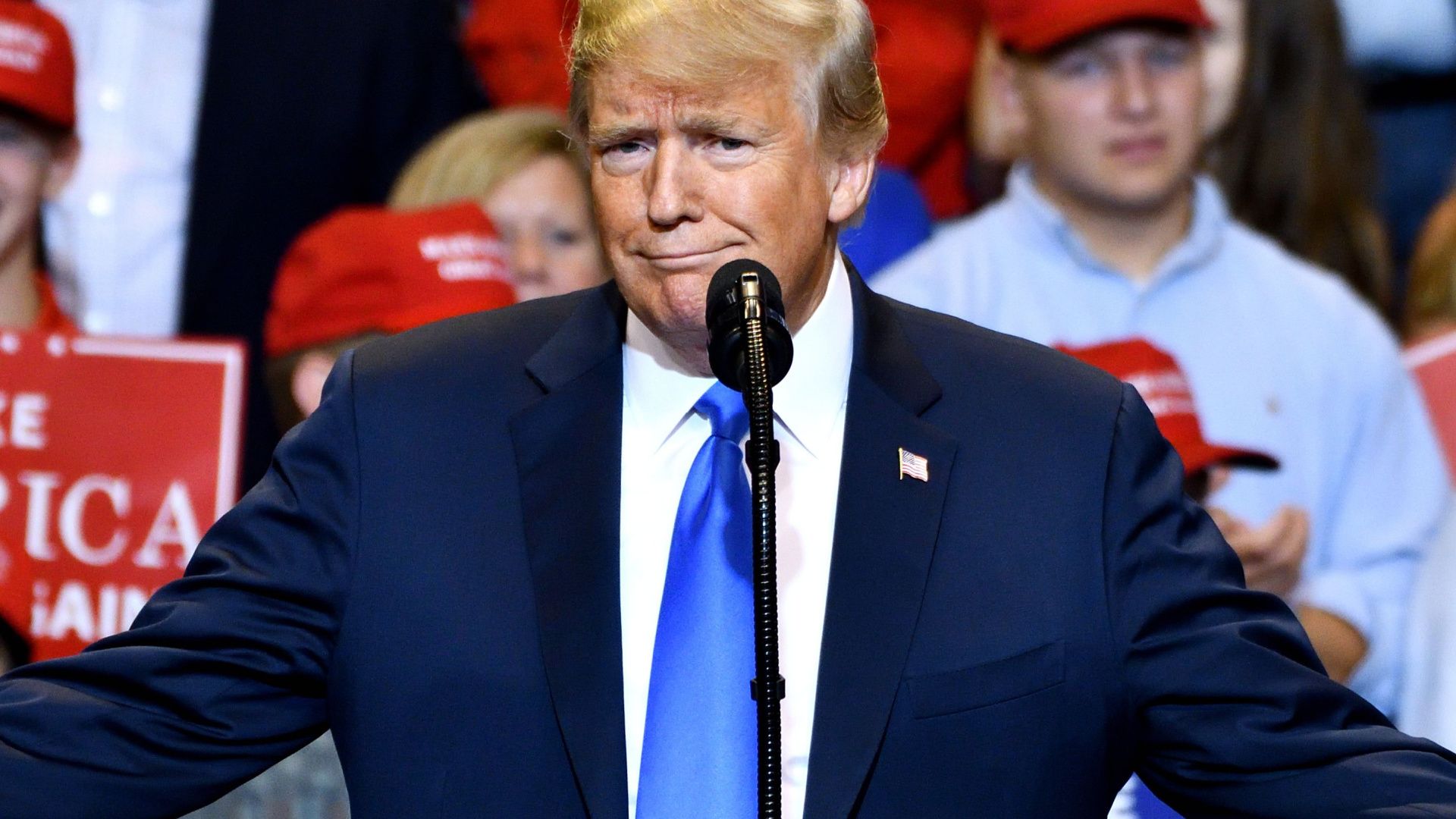
However, proposals to curb development velocity face substantial political pushback, particularly within the United States. President Donald Trump and key political allies have explicitly opposed calls to slow down artificial intelligence progress. Turk addressed the geopolitical dimension of the issue by noting that frontier AI innovation is overwhelmingly concentrated within two nations—the United States and the People's Republic of China—and argued that developers based in these regions bear both the obligation and capability to take immediate action to mitigate systemic risks.
In his correspondence, the UN rights chief placed specific emphasis on the immediate operational threats posed by increasingly capable agentic AI systems—software tools capable of executing complex multi-step tasks autonomously. Turk warned that autonomous AI agents could disrupt vital civilian infrastructure, potentially cutting off entire populations from clean drinking water, municipal heating services, and essential financial systems.
Furthermore, Turk highlighted the military implications of autonomous software, stating that agentic AI is already accelerating the velocity and reach of modern warfare while eroding institutional safeguards designed to prevent the launch of weapons of mass destruction. Emphasizing that no single country can govern the technology alone, Turk asserted that no individual commercial firm should be permitted to decide which risks society must accept, adding that human rights cannot be surrendered for claims of technological progress.
Sources
Written by
The Company Wire
Inside the companies building what’s next. Reporting on startups, technology, funding and the people shaping them.