Global RAM Shortage Deepens as AI Infrastructure Buying Spree Absorbs Memory Supply
Surging demand for High Bandwidth Memory in data centers has driven memory module prices to record highs, with manufacturers booked out through 2027.
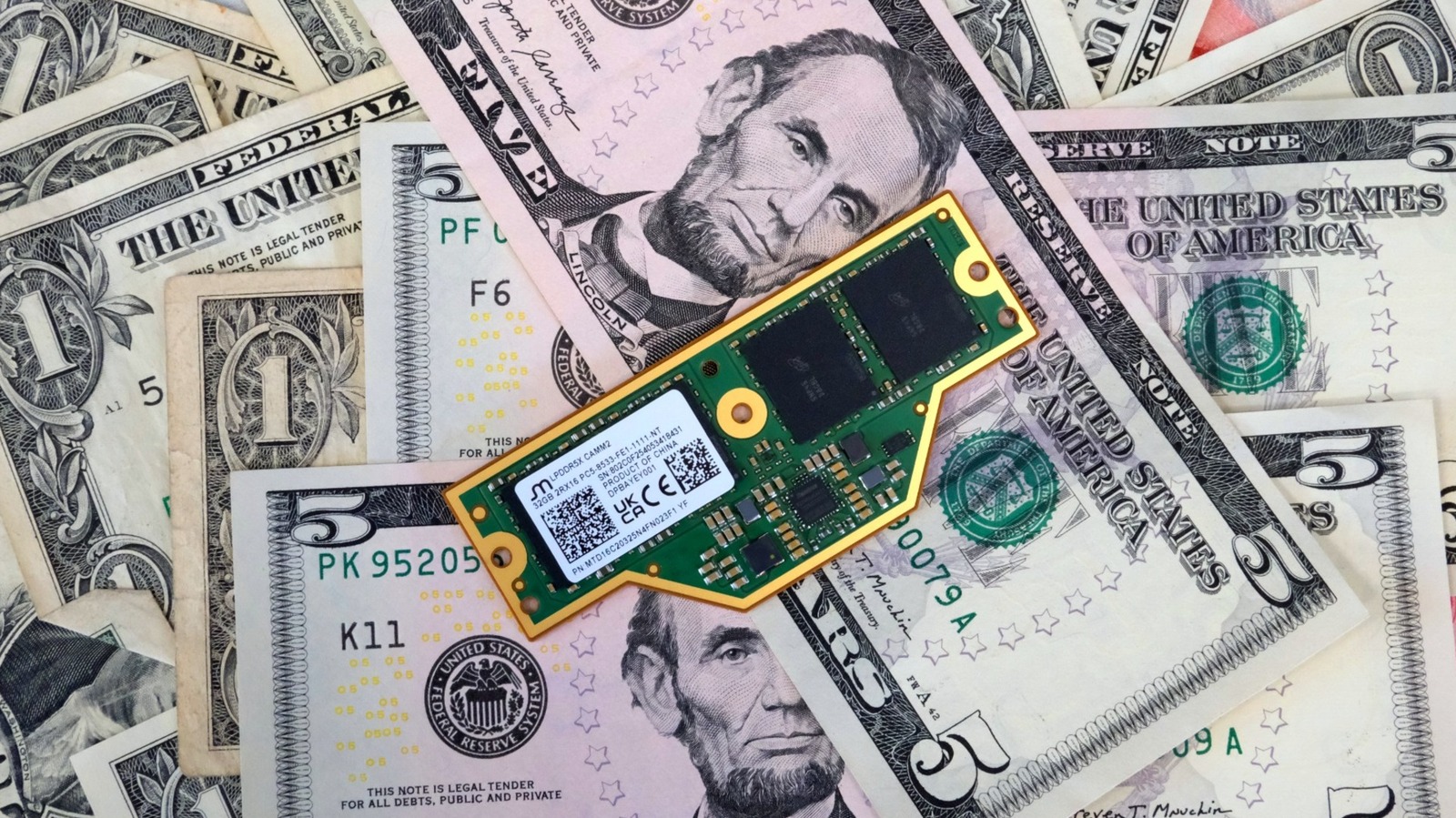
A sustained surge in enterprise artificial intelligence infrastructure spending has led to a severe global deficit in memory production, resulting in historic price increases across both consumer and enterprise electronics markets. As first reported by Engadget, prices for Random Access Memory (RAM) have expanded dramatically over the past 18 months, driven by hyper-scale technology companies purchasing entire annual allocation cycles directly from semiconductor fabrication facilities.
The core issue stems from shared manufacturing resources between conventional Dynamic RAM (DRAM)—used in smartphones, laptops, and desktop computers—and High Bandwidth Memory (HBM), which is required for high-performance AI accelerator chips. Both memory types rely on the same underlying silicon wafer supply. However, Micron Chief Executive Officer Sanjay Mehrotra informed investors in 2024 that each unit of HBM consumes approximately three times the wafer volume of standard consumer DDR5 RAM. According to tracking data from PCPartPicker, a dual-module 16GB DDR5-4800 kit rose from under $100 at the start of 2025 to more than $400 today, while high-end 32GB DDR5-6000 memory jumped from under $250 to over $1,200.
The global memory fabrication market remains dominated by three primary producers: Samsung Electronics, SK Hynix, and Micron Technology. Supply chain reporting from DigiTimes indicates that manufacturing capacity across all three chipmakers is entirely sold out through calendar 2027. Massive cluster buildouts illustrate the scale of current intake. Infrastructure analytics firm Introl reported that xAI's Colossus facility in Memphis operates 555,000 Nvidia graphics processing units valued at $18 billion. Equipped for maximum throughput, the site absorbs an estimated 112,005,000 gigabytes of memory—equivalent to the capacity inside more than 14 million iPhone 17 units or 9.3 million Galaxy S26 devices. A Bloomberg report published in March noted that 831 comparable data center facilities are currently under construction globally.
Further straining supply commitments, OpenAI signed a strategic partnership with Advanced Micro Devices in October 2025 to construct 6 gigawatts of dedicated AI data centers. The initial 1-gigawatt phase features AMD's Instinct MI450 processors, which feature maximum memory configurations of 432 gigabytes per GPU. Industry estimates suggest that phase alone will absorb up to 194.4 million gigabytes of RAM. With total project scope expanding across six times that capacity, memory allocation for future hardware cohorts remains constrained.
Executive commentary signals that market tight conditions will persist for years. SK Hynix CEO Kwak Noh-jung stated in an interview with Reuters that supply bottlenecks are projected to intensify in 2027, with total demand outpacing global manufacturing output beyond 2030. Micron's Mehrotra reaffirmed during a June investor call that supply tightness will extend past calendar year 2027. Financial services group Deloitte similarly projected that macro relief for memory buyers will not materialize until 2030 at the earliest.
Expanding fabrication capacity requires extensive capital outlay and multi-year buildouts. Semiconductor facilities demand ultra-clean production environments; Micron's Boise, Idaho plant maintains a class-one cleanroom standard permitting no more than one dust particle per cubic foot of air. To address demand, SK Hynix pledged $38.1 billion to construct two new memory fabrication plants in South Korea, though commercial output from those facilities is not expected until June 2029 at the earliest.
The supply imbalances have translated into record financial results for primary memory suppliers, who have shifted structural priority toward enterprise buyers. At the end of 2025, Micron shut down its consumer-focused Crucial retail brand. Sumit Sadana, Micron's Executive Vice President, stated at the time that the company exited the Crucial consumer segment to support strategic customers in higher-growth technology sectors. In June, Micron posted quarterly revenue of $28.86 billion alongside an 84.9 percent gross margin. SK Hynix reported record July earnings highlighted by a 557 percent year-over-year increase in operating profit, while Samsung recorded all-time high revenue and profit within its memory division. Furthermore, the Wall Street Journal reported that Micron has directly lobbied the White House for policy interventions to restrict domestic customers from purchasing memory components from foreign suppliers.
Sources
Written by
The Company Wire
Inside the companies building what’s next. Reporting on startups, technology, funding and the people shaping them.


