Apple Unveils iPhone 18, Foldable Duo, and Updated Wearables Built Around On-Device AI
The hardware giant highlighted custom silicon, upgraded neural engines, and an expanded Siri feature set across its latest smartphone and wearable lineups.
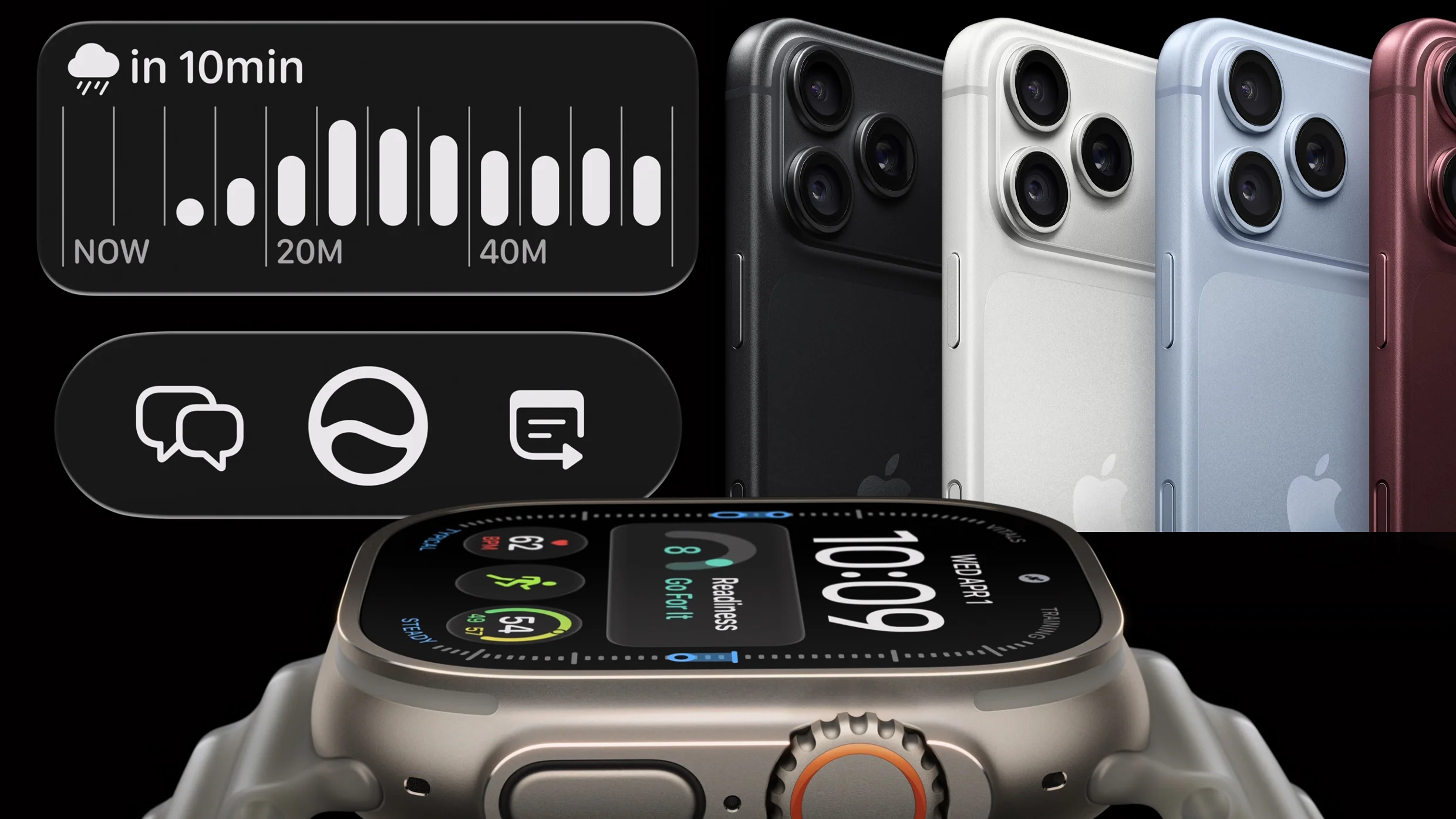
Apple framed its latest hardware portfolio around artificial intelligence at a company event on Wednesday, detailing how its newest smartphones, wearables, and audio accessories are built to operate as personal intelligent hubs. As first reported by Fast Company Tech, Chief Executive Officer John Ternus opened the product presentation by emphasizing how on-device AI capabilities will reframe how consumers interact with Apple hardware by capturing and interpreting contextual user data.
Central to the lineup is the new A20 Pro processor, which powers the flagship iPhone 18 Pro and Pro Max alongside the new Duo foldable smartphone. Apple added a secondary neural engine accelerator to the silicon, creating a dual 16-core Neural Engine layout. The architecture delivers double the computational capacity for running local artificial intelligence models compared to the company's prior generation of mobile processors.
The enhanced silicon supports a revamped edition of Siri anchored by Apple Intelligence, designed to analyze onscreen context, navigate user content across photos, messages, and email, and respond to general queries. Initially revealed in the spring of 2024, the updated assistant experienced launch delays caused by development hurdles and performance issues. International Data Corporation analyst Tom Manelli noted in a statement that Apple plans to keep Siri AI in beta even after releasing the accompanying operating system updates later this quarter, adding that a gradual rollout could prove beneficial over the long term.
The new iPhone series incorporates several visual and structural AI tools. In the Camera application, visual models executing on the A20 Pro analyze scenes in real time to trigger automatic photography via a feature called Smart Take, while editing tools like Spatial Reframing, Extend, and Clean Up utilize AI for post-capture adjustments. Apple also introduced the C2 Cellular Modem, which uses algorithmic processing to boost network speed and stability, alongside Private Cloud Compute for complex tasks requiring off-device processing without compromising user privacy. On the foldable Duo model, users can interact with Siri AI on one section of the display while examining content on another.
Apple's audio lineup received updates centered on machine learning and noise management. The newly introduced AirPods 5 utilize advanced computational audio algorithms to filter out 50 percent more external noise than the previous AirPods 4 generation. The earbuds allow users to interact with Siri using head gestures—nodding to confirm or shaking to decline—and retain the live translation functionality introduced in the prior year's hardware cycle.
For the Apple Watch Series 12 and Ultra 4, the company introduced audio intelligence tools powered by the new S11 processor. Features include Sound Recognition, which alerts hard-of-hearing users to environmental sounds like alarms or crying infants; Live Rewind, which converts the prior 15 seconds of dialogue into text; and Siri Recap, which generates summaries of finished conversations. Apple noted that audio processing occurs within an isolated hardware compartment called a secure exclave that deletes audio immediately after processing, with a beta launch planned for later this year.
The updates extend to a revamped Health application that uses machine learning to adapt to user physical activity and sleep trends. The application's new Insights tab generates custom wellness recommendations based on shifts in user metrics, while visual AI models can evaluate a user's balance, strength, and flexibility by monitoring workout routines through an iPhone camera.
Sources
Written by
The Company Wire
Inside the companies building what’s next. Reporting on startups, technology, funding and the people shaping them.


