Ford and GM Are Giving Electric Vehicles Less Time on Earnings Calls
A seven-year review shows both automakers discussing EVs at rates below the pre-pandemic period as investment priorities shift.
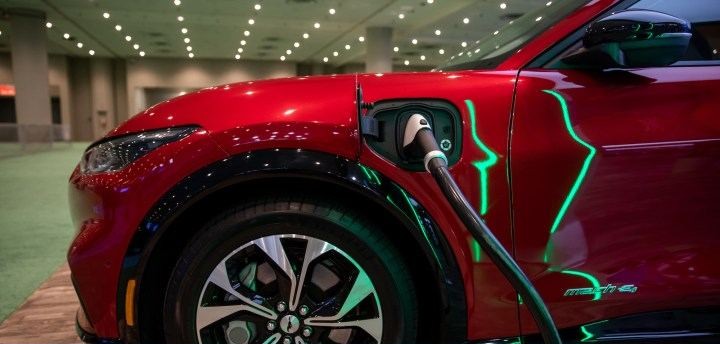
Ford and General Motors are talking about electric vehicles less often with investors, even though both companies continue to sell EVs and develop new models. An analysis of quarterly earnings calls since 2019 found that discussion of the technology has fallen below pre-pandemic levels, reflecting a broader retreat from the aggressive expansion plans announced earlier in the decade.
The change follows delayed vehicle programs, reduced factory commitments and layoffs connected to electric operations. Consumer demand has grown more slowly than the companies expected, while changing U.S. policy and intense price competition have made profitability harder to achieve. Both automakers are giving more attention to software, services, capital allocation and autonomous technology.
GM said the quality of its discussion matters more than the number of references and maintained that EVs remain the industry's long-term destination. The company pointed to customer loyalty, market-share gains and investments in lower-cost battery chemistry. Ford highlighted its Universal Electric Vehicle platform and a planned midsize pickup designed around a lower cost structure.
Those projects show that reduced rhetoric is not the same as abandonment. The companies are narrowing their ambitions toward vehicles they believe can produce acceptable margins rather than treating volume growth as the only measure of progress. That is a more cautious strategy, but it also gives competitors time to strengthen their position.
The vocabulary on calls can influence suppliers and employees as well as shareholders. Reduced emphasis makes it harder to maintain urgency inside programs that still require long-term investment. Ford and GM must communicate a stable destination even while changing the pace, or they risk losing specialized battery and software talent to companies with a clearer commitment.
The change in language may reflect political and financial reality more than a complete retreat. Automakers still face emissions rules, battery investments and competitors that continue improving electric models. What matters is whether product schedules, factories and dealer training follow the quieter messaging. Customers making a long-term purchase need confidence that charging, software and parts will remain supported. If Ford and GM reduce ambition without explaining a durable transition plan, they may preserve short-term margins while making the eventual shift more expensive and less credible.
Earnings calls reveal what management believes investors need to hear. The decline in EV discussion indicates that Ford and GM no longer view an all-out transition as the strongest near-term market message. Their next electric platforms will need to demonstrate cost and demand, because another cycle of promises without profitable scale would be difficult to defend.
Sources
Written by
The Company Wire
Inside the companies building what’s next. Reporting on startups, technology, funding and the people shaping them.