BYD Targets 2027 Launch for First Solid-State Battery Electric Vehicle
The Chinese automotive manufacturer plans to deploy next-generation sulfide electrolyte cells in premium vehicles before scaling mass production around 2030.
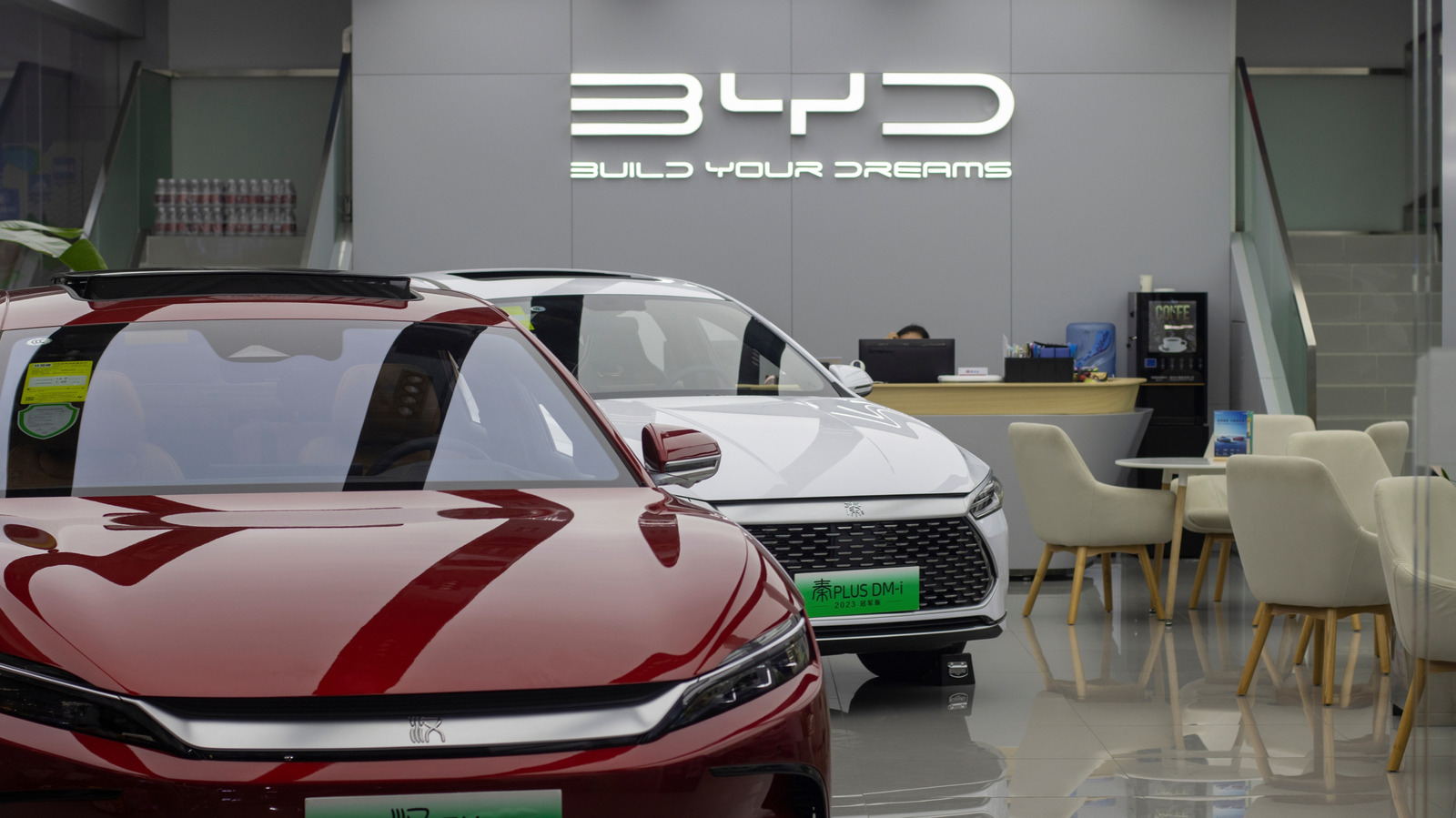
Chinese electric vehicle manufacturer BYD plans to launch its first vehicle equipped with a solid-state battery in 2027, according to executive statements reported by Engadget (https://www.engadget.com/2265495/byd-new-solid-state-battery-ev-almost-ready-2027/).
Speaking in an interview with Carwow's Spanish outlet, BYD Executive Vice President Stella Li claimed the automaker holds a competitive lead in developing and deploying the technology. "Talking about solid-state batteries, BYD is in the leading position," Li said. "We're in the leading position for commercialization and technology. So to prove that, next year, we have one model that will be the first one with that technology."
Li's comments corroborate a roadmap outlined in February 2025 by Sun Huajun, chief technology officer of BYD battery subsidiary FinDreams. Sun stated that initial demonstration and vehicle installations would commence in 2027, ahead of anticipated mass manufacturing around 2030. Speaking at the same conference, BYD Chief Scientist Lian Yubo noted that solid-state packs will not replace traditional lithium chemistry across the lineup. "Solid-state batteries will be mainly used in high-end models, empowering each other with lithium iron phosphate batteries, and used in vehicles of different levels," Lian said.
Unlike conventional lithium-ion batteries that transport ions through liquid electrolyte solutions of dissolved lithium salts, solid-state designs substitute liquid components with solid electrolytes made from oxides, polymers, or sulfides. BYD is focusing its internal development on sulfide-based solid-state chemistry.
Solid electrolytes provide higher energy density, enabling lighter battery packs, reduced vehicle mass, and extended driving range per charge. The technology also presents safety advantages over liquid electrolytes, including reduced flammability and wider operating temperature tolerances.
Because elevated manufacturing costs remain a hurdle to volume adoption, BYD plans to introduce its sulfide solid-state cells on higher-priced vehicles first, such as potential future versions of its Denza Z model.
The rollout timeline places BYD alongside several major automakers competing to commercialize solid-state systems. Toyota has targeted commercial availability between 2027 and 2028, Mercedes-Benz is testing a solid-state EQS variant ahead of an expected release before 2030, and Stellantis began road-testing a solid-state Dodge Charger in 2026. Separately, Honda partnered with battery developer QuantumScape to advance solid-state research supporting its 2050 carbon neutrality goal.
Sources
Written by
The Company Wire
Inside the companies building what’s next. Reporting on startups, technology, funding and the people shaping them.