Congressional Probe Details Outdated Fraud AI Across Match Group Platforms
A bipartisan report reveals Tinder and Hinge permitted nearly 1.5 million malicious accounts to match with users amid years-old fraud detection models.
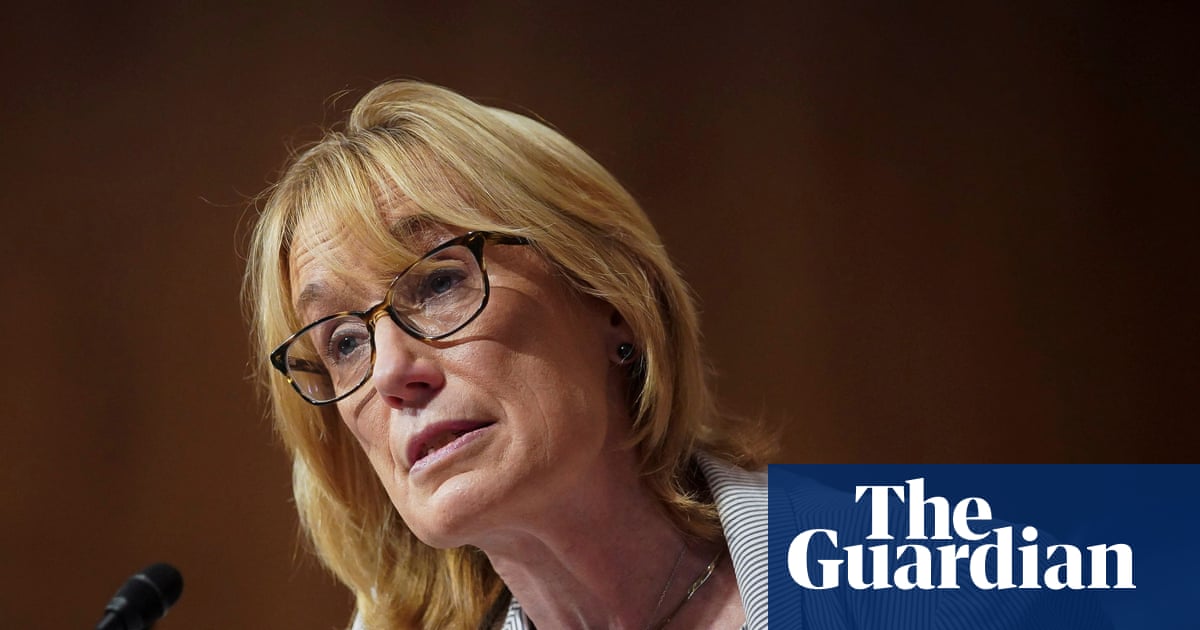
A bipartisan congressional investigation into digital dating platforms has uncovered multi-year gaps in automated fraud detection across services operated by Match Group, according to a report released by the U.S. Congress Joint Economic Committee and reported by Hacker News (https://www.theguardian.com/us-news/2026/oct/14/dating-app-scams-us-congress). The inquiry, led by Senators Maggie Hassan (D-N.H.) and Marsha Blackburn (R-Tenn.), revealed that internal Match Group records showed Tinder had not updated most of its machine learning fraud models in years as of the second half of 2025. Consequently, the platform's automated defenses struggled to detect bad actors and keep pace with emerging romance scams.
Internal metrics provided by Match Group showed that through the third quarter of 2025 in the United States, nearly 1.5 million accounts identified as scammers or bad actors on Tinder and Hinge matched with at least one other user. Approximately 500,000 of those accounts successfully exchanged contact information with another user to move conversations off-platform. The committee highlighted that romance scams have become a leading category of financial fraud in the United States, draining at least $1.3 billion from victims annually.
Congressional staff interviewed victims to examine the mechanics and financial damage of romance scams, including a user named Mary who lost nearly $100,000 in cryptocurrency payments after meeting a fraudulent account on Plenty of Fish in 2024. Mary recounted that the scammer established constant contact, applied persistent emotional pressure, and made repeated requests for funds for work and medical emergencies. After she recognized the scam and blocked his number, the perpetrator repeatedly contacted her from new numbers and recycled the same profile photos across multiple accounts.
The committee noted that since launching its inquiry, Match Group has expanded safeguards, including requiring all new Tinder users in the U.S. to complete a video selfie verification process. In the first half of 2025, Match Group also deployed a new artificial intelligence model that scans user profiles and platform data to detect fraudulent accounts. Lawmakers noted that while the introduction of updated AI models is positive, the technical upgrades followed an extended period during which scams proliferated across the apps. In June, Hassan and Senator Rick Scott (R-Fla.) introduced bipartisan legislation to establish a central federal reporting portal for scam victims.
Match Group pushed back against the committee's characterization of its historical technical investments. Yoel Roth, Match Group's senior vice president of trust and safety, stated that the report mischaracterizes both the historical scale of company investments and work already completed, asserting the company has implemented the largest safety advancements in its history. Match Group also maintained that several safety initiatives, including facial verification checks, were already underway prior to the congressional inquiry.
Sources
Written by
The Company Wire
Inside the companies building what’s next. Reporting on startups, technology, funding and the people shaping them.