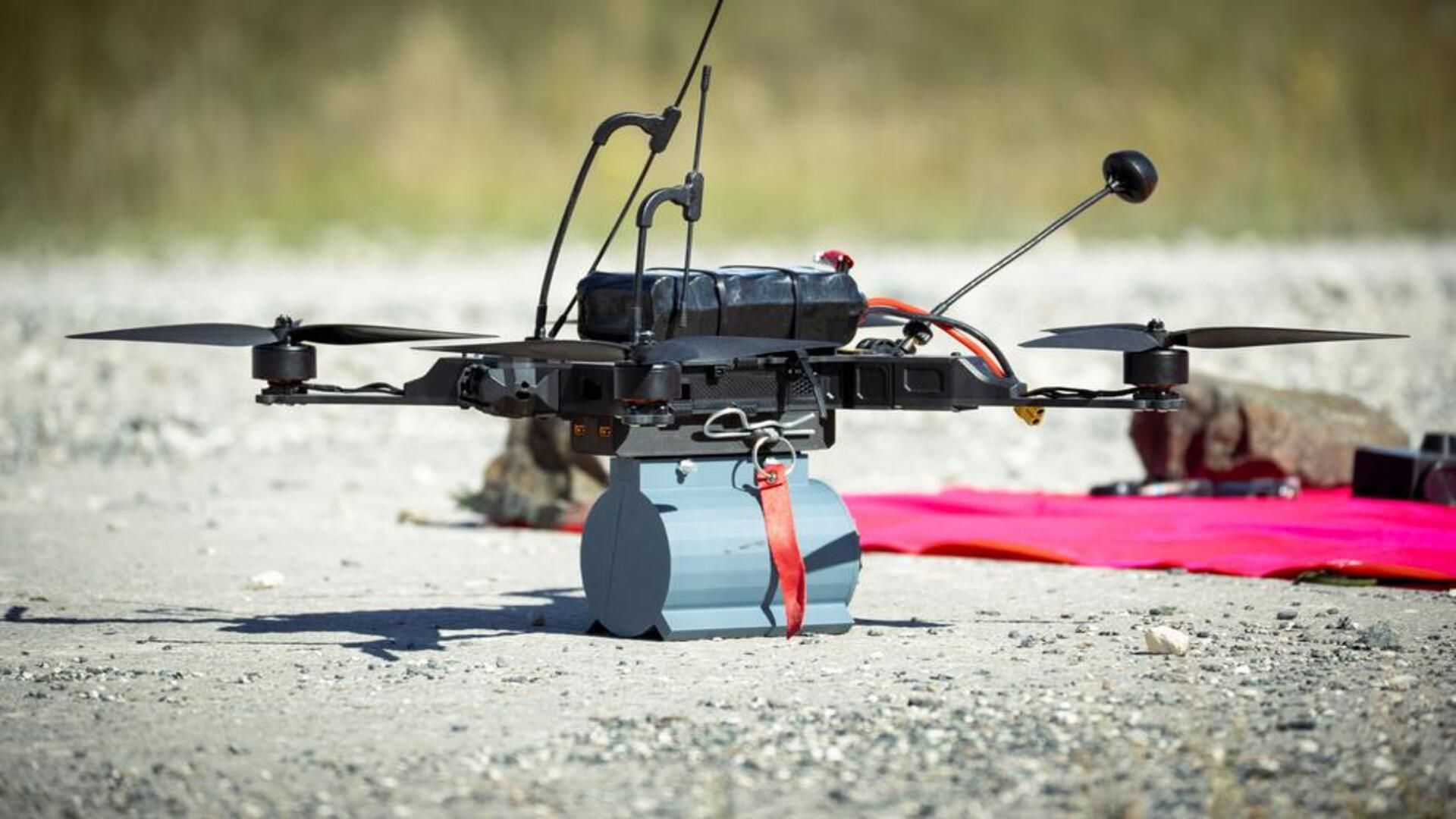
New Algorithms Coordinate Drone Fleets for Power Grid Inspections
Researchers combined genetic algorithms and local path optimization to shorten flight routes and allocate drones across power lines and towers.
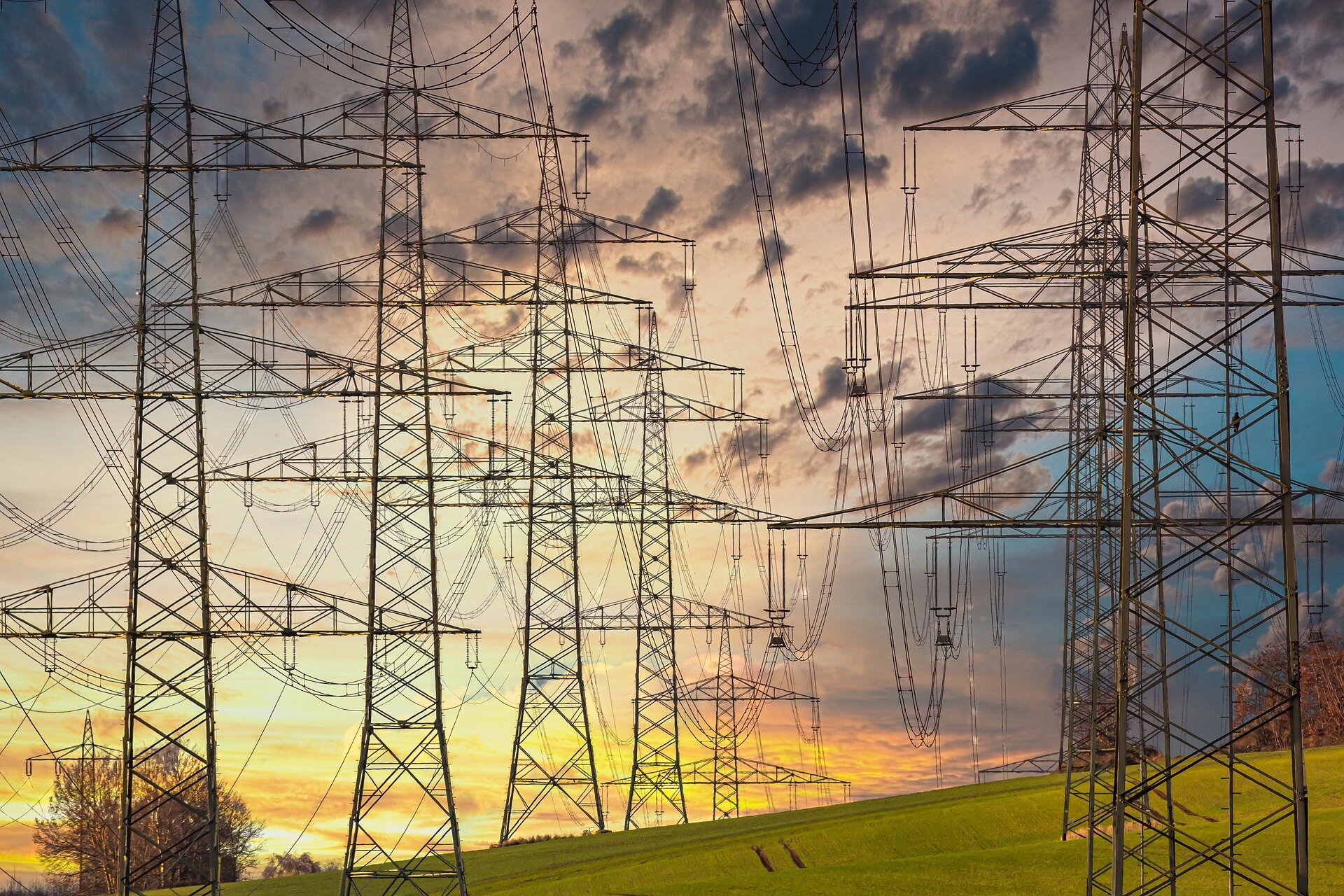
A research team has designed two path-planning algorithms to help autonomous drone fleets inspect electrical power infrastructure more efficiently, according to a report by TechXplore (https://techxplore.com/news/2026-10-drones-line-algorithms-drone-fleets.html). The methods aim to lower survey costs and limit the need for workers to perform hazardous manual inspections on high-voltage equipment.
The framework, detailed in the International Journal of Systems, Control and Communications by lead author Haitao Li and colleagues, addresses two distinct inspection tasks: auditing specific components on power transmission towers, such as insulators, and scanning long transmission lines for physical hazards. Both tasks assume multiple unmanned aerial vehicles (UAVs) deploy from a single operating base, requiring coordinated routing to minimize total travel distance and prevent redundant flights.
To handle tower component checks, the researchers adapted a genetic algorithm—an optimization method inspired by natural selection that iteratively refines prospective flight paths. The system incorporates the 2-opt local search technique, which untangles routes by reversing sections of a flight path, alongside an adaptive mutation rate that introduces variations to prevent the algorithm from settling into suboptimal paths.
For linear transmission line surveys, the researchers developed a separate adaptive genetic algorithm configured to divide and assign line segments across a drone fleet, reducing unnecessary transit between inspection segments.
When tested on simulated maps of varying sizes against conventional genetic algorithms, the dual-algorithm approach delivered higher solution quality, faster computation, and more stable routing for component checks. In line surveys, the method reduced overall flight distance while optimizing the total number of drones required to complete the inspection.
Sources
Written by
The Company Wire
Inside the companies building what’s next. Reporting on startups, technology, funding and the people shaping them.