DigiCert Event to Address Post-Quantum Migration and AI Security Architecture
A survey reveals 87 percent of enterprises are planning for post-quantum security, but only 7 percent have broadly deployed quantum-safe protections across digital certificates.
A vast majority of enterprise organizations have begun preparing for post-quantum computing, yet only a small fraction have deployed quantum-safe security protections across their infrastructure. Data from a report by digital trust provider DigiCert Inc. revealed that while 87 percent of organizations are planning, testing, or implementing post-quantum cryptography projects, merely 7 percent have deployed hybrid or quantum-resistant cryptography across the majority of their digital certificates.
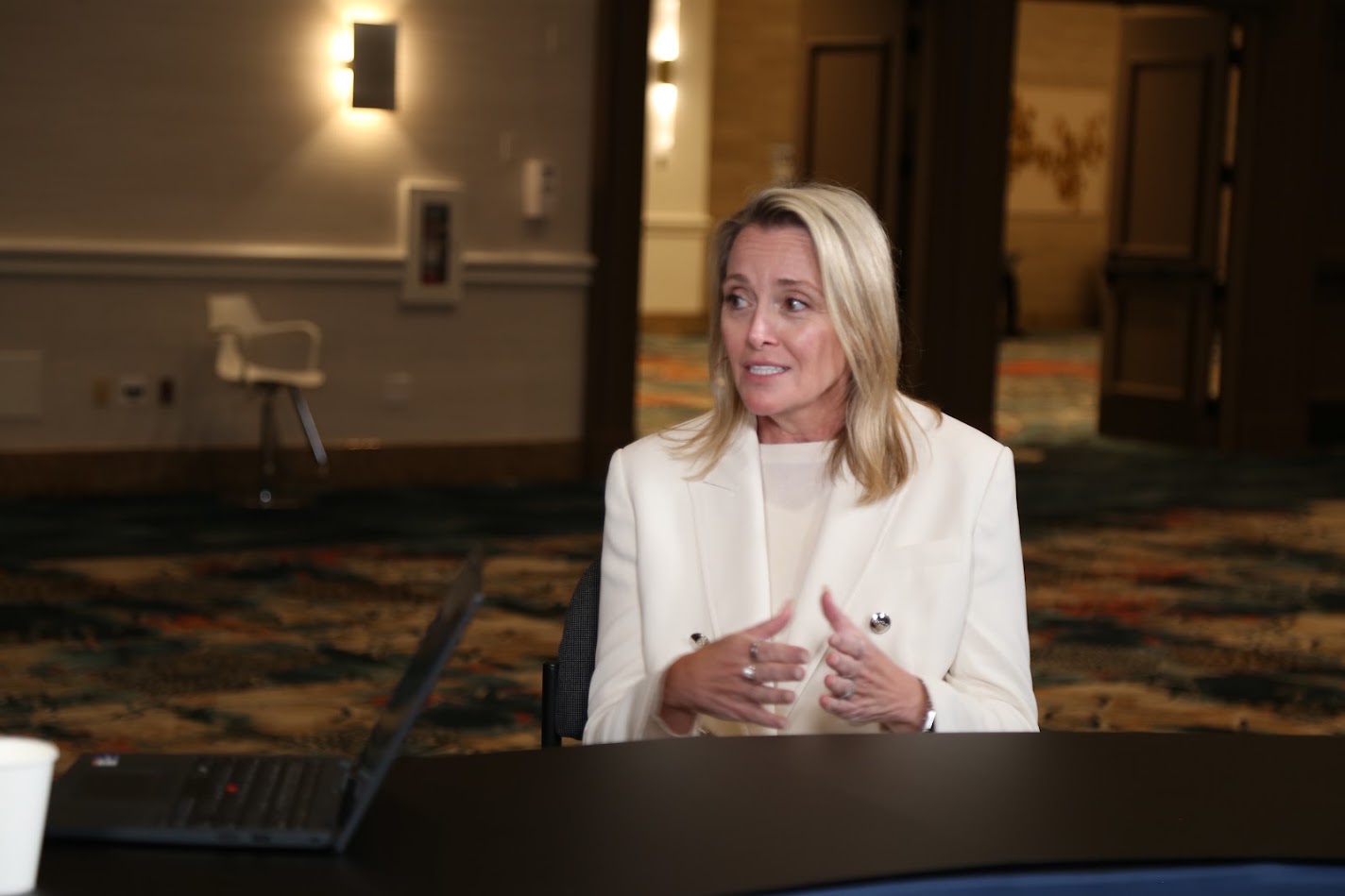
The gap highlights the operational hurdles facing corporate IT and security teams as legacy encryption algorithms risk becoming vulnerable to future quantum systems. According to Krista Case, an analyst at theCUBE Research, transitioning to post-quantum cryptography will test enterprise operational resilience as much as cryptographic math. Case noted that because encryption is deeply embedded across infrastructure and core processes through hidden dependencies, organizations must build "crypto-agility"—the capacity to discover, prioritize, and replace those dependencies without disrupting business operations—before quantum deadlines arrive.
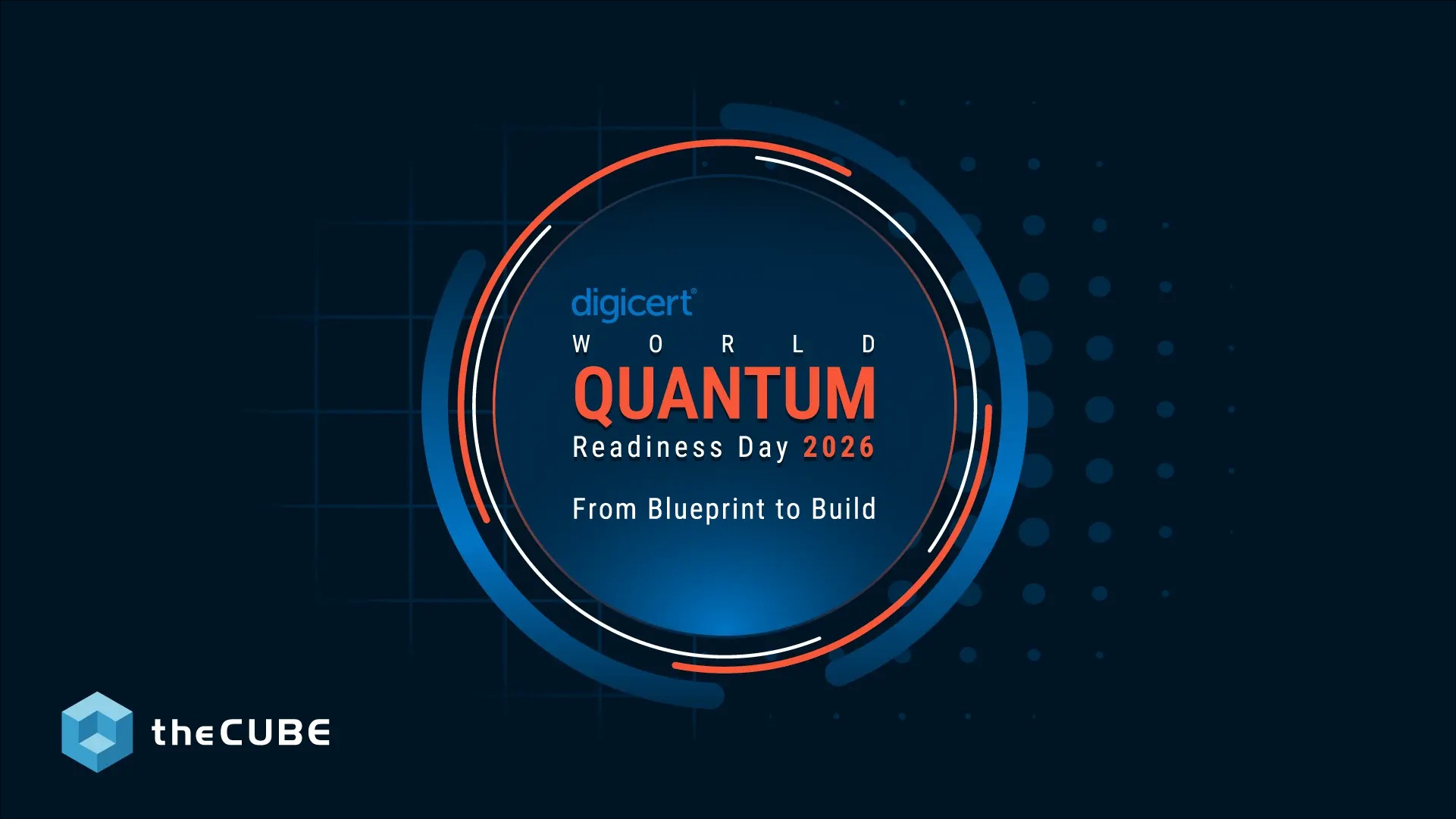
To address these technical hurdles, DigiCert will host its virtual World Quantum Readiness Day event on Sept. 17, 2026, under the theme "From Blueprint to Build," as reported by SiliconANGLE. The event, covered by SiliconANGLE Media's livestreaming studio theCUBE, will gather public key infrastructure specialists and corporate security leaders to discuss cryptographic asset inventories, migration roadmaps, and the evaluation of quantum-safe algorithms.
The push for post-quantum readiness arrives alongside the rapid enterprise adoption of artificial intelligence systems, which introduce additional governance complexities. In April, DigiCert introduced a unified trust architecture designed to embed cryptographic verification across the lifecycle of AI models, content, and autonomous agents. The initiative includes an "AI Agent Passport" feature, which establishes enforceable, auditable technical boundaries governing what actions autonomous systems can execute and access.
The growing reliance on autonomous software has elevated identity management into a critical control plane. John Furrier, analyst at theCUBE Research, observed that agentic AI represents a structural shift from human-speed authorization to machine-speed operations. Furrier emphasized that enterprise security requires cryptographically verifiable trust mechanisms to validate who an agent represents and whether its authority remains valid across organizational boundaries.
Compounding these cryptographic migration efforts is the existing fragmentation within software engineering environments. Survey data from theCUBE Research shows that 75 percent of enterprise organizations currently rely on multiple disparate tools across their software development lifecycles, complicating efforts to inventory and update distributed security assets.
Integrating post-quantum defenses into existing workflows requires framing the transition as a software modernization effort rather than an isolated compliance task, according to Paul Nashawaty of theCUBE Research. Nashawaty noted that post-quantum migration will require engineering teams to build crypto-agility, continuous certificate management, and automated security validation directly into continuous integration and continuous delivery (CI/CD) pipelines to avoid interrupting application delivery.
The upcoming Sept. 17 virtual program will include technical presentations and executive discussions featuring representatives from DigiCert, Amazon Web Services Inc., Microsoft Corp., Thales Group, Atea ASA, and evolutionQ Inc. Panelists will examine risk evaluation frameworks, algorithm selection, and implementation standards for post-quantum security.
Sources
Written by
The Company Wire
Inside the companies building what’s next. Reporting on startups, technology, funding and the people shaping them.