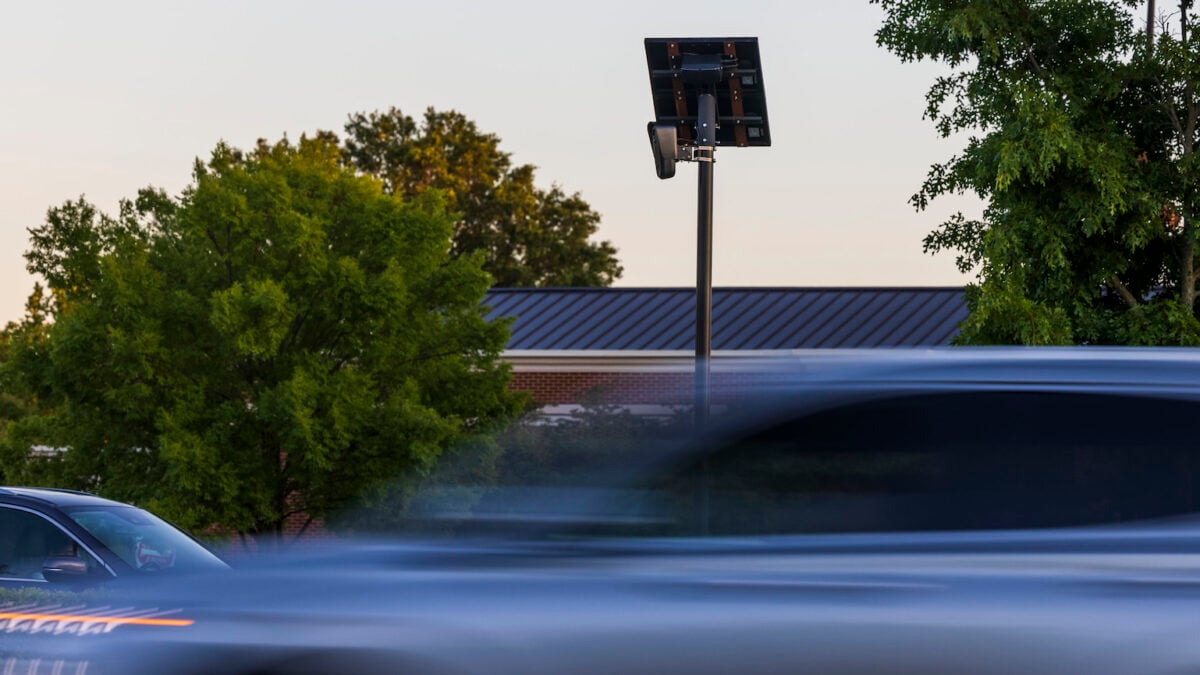
Flock Safety Overhauls Privacy Policies and Data Retention Default Amid Backlash
The surveillance startup is cutting default plate-tracking storage to seven days and requiring case codes for police searches as communities protest roadside cameras.

Flock Safety, a provider of automated license plate reader hardware and software, has introduced sweeping privacy changes to its platform following heightened public scrutiny, Mashable Tech reported. The policy overhaul comes shortly after chief executive Garrett Langley publicly defended the enterprise, stating that the company's objective is protecting citizens rather than operating a mass surveillance system.
As part of the operational adjustments, Flock is reducing its default data retention window from 30 days to seven days. While municipal clients and law enforcement partners retain the option to lengthen or shorten this window based on local policy, the out-of-the-box configuration will now purge location and license plate records after one week. The American Civil Liberties Union has historically urged automated license plate reader vendors to cap default data retention at 48 hours.
Under the updated system, law enforcement personnel must input a mandatory case code corresponding to an active investigation before performing queries in the Flock database. The setting was previously discretionary for police departments, a structure that critics argued allowed officers to utilize the system for personal harassment or stalking. Additionally, Flock is incorporating its automated misuse-detection tool into all customer service packages as a standard feature.
The firm is also deploying a control mechanism known as "Offense filtering for sharing," designed to let municipalities restrict how outside law enforcement entities access resident data based on specific crime categories. Flock noted, however, that communities will continue to hold discretion over retention durations that match their specific law enforcement priorities.
Alongside the search restrictions, Flock unveiled an "Evidence Mode" that permits law enforcement users to exempt specific plate scans from standard expiration schedules if the data is designated as evidence in an active case. Civil rights organizations cautioned that the broader implications of the feature will depend on how strictly it is implemented.
In an assessment of the policy, the ACLU noted that Evidence Mode could represent a positive development if restricted strictly to hit results linked to concrete investigations. However, the organization warned that if the mechanism preserves all queried license plate records, it could lead to the indefinite storage and national distribution of routine driving data.
The policy changes arrive amid expanding opposition to automated plate scanners across the United States. In recent weeks, grass-roots efforts to dismantle neighborhood surveillance have resulted in residents disabling or removing Flock units, while several municipal authorities and corporate clients have reviewed or severed their vendor relationships with the firm.
As of June, Flock maintained a network of over 120,000 active cameras spanning 6,000 neighborhoods, serving law enforcement agencies, private commercial enterprises, and homeowners associations. Despite the introduced safeguards, privacy advocates maintain that refining data management policies cannot eliminate the inherent risks of automated, broad-spectrum public tracking.
Sources
Written by
The Company Wire
Inside the companies building what’s next. Reporting on startups, technology, funding and the people shaping them.