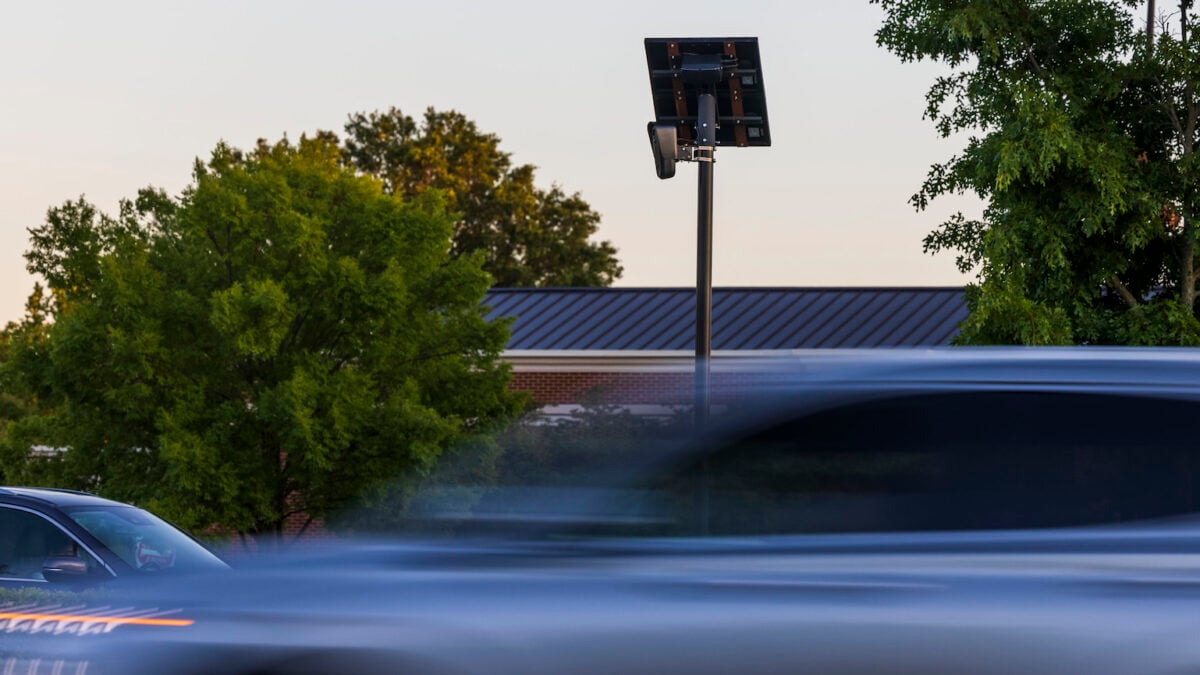
Florida Bans License Plate Readers on State Highways Amid Privacy Backlash Against Flock Safety
The Florida Department of Transportation orders law enforcement to dismantle roadside surveillance hardware within 30 days as regulatory scrutiny of Flock Safety spreads nationwide.
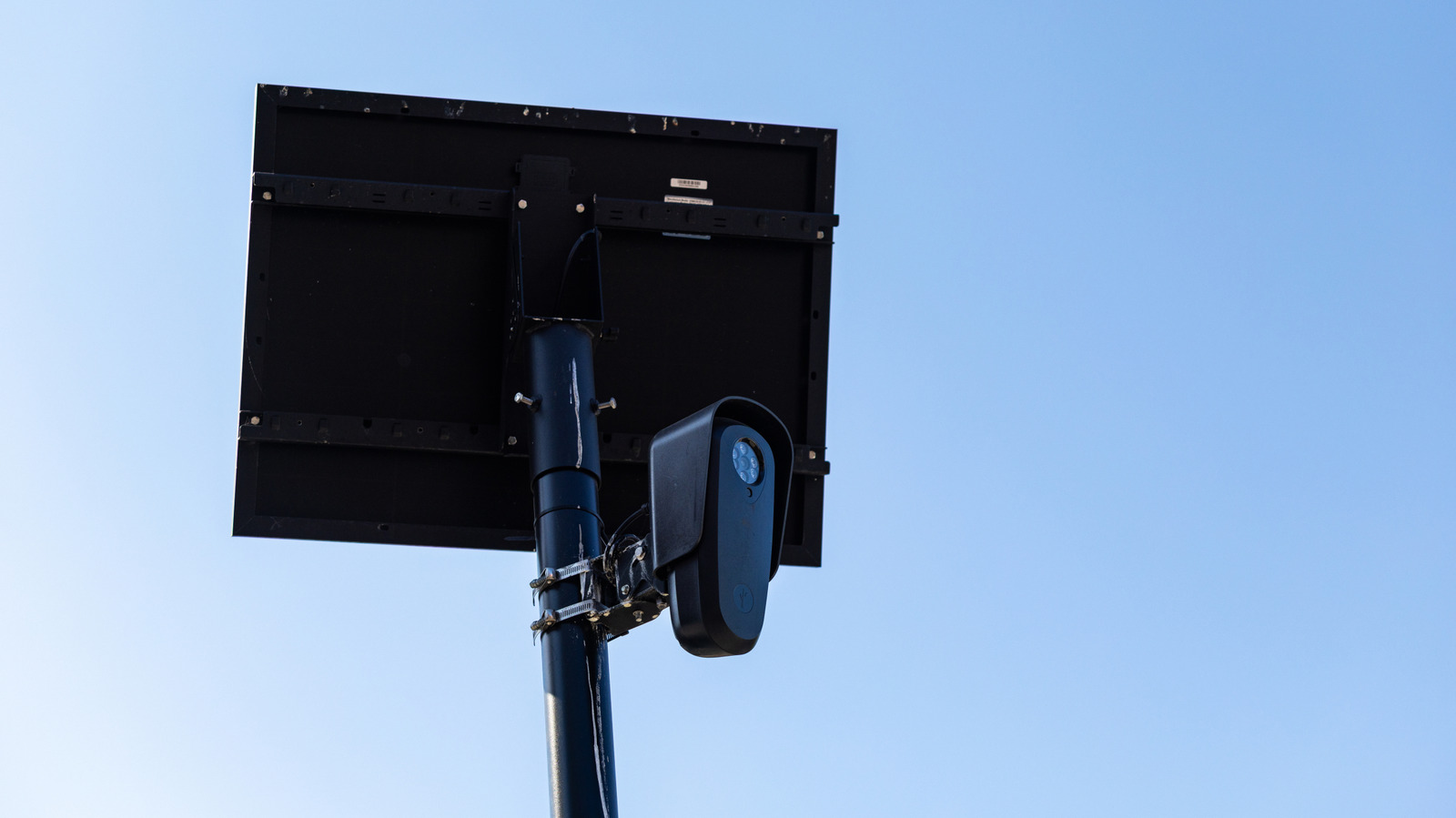
Florida's Department of Transportation has officially banned law enforcement agencies from placing automatic license plate readers on state-managed roadways. The regulatory directive represents a major state-level crackdown on public surveillance technology and camera vendors such as Flock Safety, as reported by Engadget.
The policy shift was detailed in a official memorandum signed by Department of Transportation Chief Operating Officer Will Watts. In the document, Watts wrote that while state law limits license plate reader permits exclusively to law enforcement entities, the "recent exponential increase in deployments along our roadways, coupled with concerning reports of misuse, data privacy concerns and surveillance schemes merit immediate action to preserve Floridians' sovereignty and quality of life."
Under the terms of the memorandum, all active permits for license plate reader systems installed on state roads are revoked immediately. Police departments have been given a 30-day window following August 31 to remove the hardware. The state transportation department added that it will use its discretionary authority to reject all future permit applications for surveillance camera systems within its jurisdiction.
The mandate was issued at the direction of Florida Governor Ron DeSantis, who publicly stated in August 2026 that the adoption of license plate reader technology in the state had gotten "out of control." However, speaking on a podcast episode, DeSantis noted that changing transportation department rules does not cover the estimated 98 percent of automatic license plate readers that are positioned on municipal streets and private land.
Following the state decision, several local law enforcement leaders are moving to reduce their own deployments. Sheriffs in both Jacksonville and Okaloosa County have pledged to dismantle license plate readers within their respective jurisdictions, though removing the remaining network of cameras statewide would require additional municipal policies or state legislation.
Automatic license plate readers have been deployed by governments for decades, serving tasks ranging from toll collection to locating stolen vehicles, finding missing persons, and generating investigative leads. Demonstrating their operational application, law enforcement officials used license plate readers just over a week before Florida's ban to track down a murder suspect who fled Florida for West Virginia.
Atlanta-based Flock Safety, which has encountered the most intense scrutiny among license plate reader providers in 2026, has highlighted non-policing use cases on its website, including allowing firefighters to evaluate emergency scenes prior to arrival. Despite those marketing efforts, public concern has intensified over continuous surveillance and documented instances of system misuse. Flock has attempted to address criticisms by releasing software updates and shortening data retention limits, but persistent public pushback and hardware vandalism have increasingly forced regulatory responses.
Florida’s highway restriction follows a series of similar actions by municipal and state authorities targeting surveillance vendors. The Los Angeles Police Department suspended its commercial contract with Flock in July, while two counties in Ohio paused their use of Flock cameras earlier in August over misuse allegations. In Texas, Governor Greg Abbott halted state funding for agencies attempting to acquire Flock hardware.
Sources
Written by
The Company Wire
Inside the companies building what’s next. Reporting on startups, technology, funding and the people shaping them.