From OpenStreetMap to City Halls, Grassroots Backlash Against Flock Cameras Spreads Across the US
Citizens and privacy advocates are challenging automated license plate readers using contract audits, municipal votes, crowdsourced maps, and direct hardware interventions.

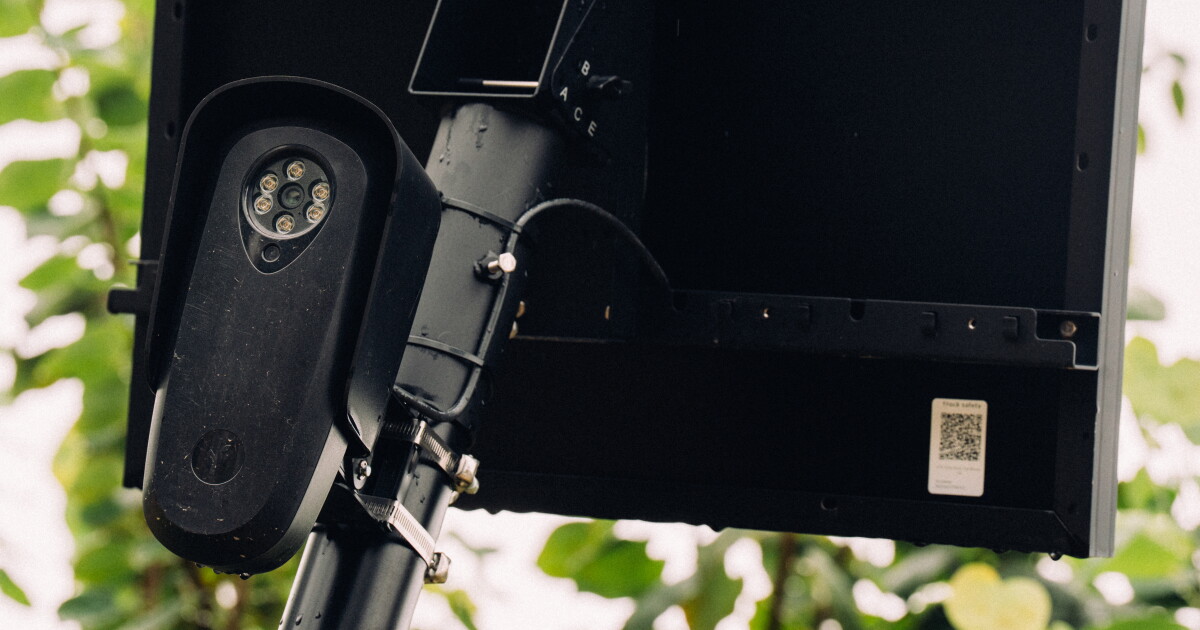
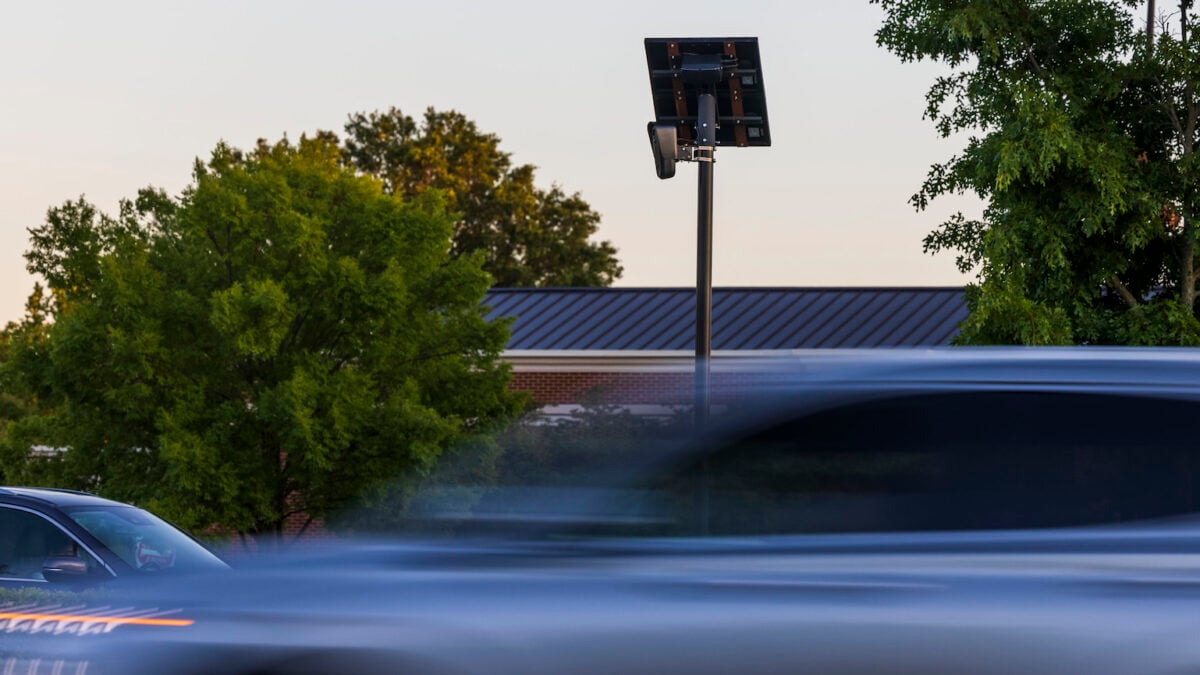
A nationwide wave of civic pushback is targeting automated license plate reader (ALPR) cameras deployed by Flock Safety, according to a detailed report from Mashable Tech . While law enforcement agencies cite the pole-mounted surveillance hardware as a tool for solving crimes, critics and local residents have raised concerns regarding warrantless data access, cross-agency information sharing, and long-term retention. In response, opponents are deploying an array of tactics spanning crowdsourced mapping, public records investigations, town hall organizing, and direct physical disruption.
Making camera deployments visible has emerged as a primary focus for grassroots organizers. Volunteer networks behind Deflock Maps catalog ALPR hardware locations on OpenStreetMap, allowing users to search by city or ZIP code. In San Francisco, high school student Zachary Schwartz founded DeFlock SF alongside fellow student Hugo Zorn, creating a localized platform that pairs hardware tracking with meeting calendars, reporting links, and public testimony before the local Police Commission calling for data audits. Complementing street-level maps, the Electronic Frontier Foundation (EFF) maintains its Atlas of Surveillance database, which tracks which law enforcement agencies possess ALPR capabilities.
Public records requests have also exposed significant gaps between contractual commitments and operational practices. In Syracuse, New York, local outlet Central Current discovered that local police granted outside agencies access to city license plate records despite a contract barring external sharing—resulting in nearly 4.4 million outside searches over roughly one year. Central Current also revealed contractual terms allowing Flock to retain municipal data after contract expiration. When Syracuse officials subsequently approved replacing Flock units with hardware from Axon, Flock warned that ending the agreement early could leave the city financially liable for both systems.
Scrutiny of audit logs has revealed further compliance issues. An EFF analysis of released search records found that officers sometimes submitted entries like "LMAO" or "idk" into required justification fields. Searchable clearinghouses such as Have I Been Flocked? now aggregate disclosed query records to help residents check whether their local departments have logged their movements.
Direct participation in municipal governance has led several communities to cancel deployments outright. In Saranac Lake, New York, after cameras were installed without prior public consultation, dozens of residents packed a board meeting in March, prompting trustees to abandon a proposed operational pause and vote 4–1 to terminate the contract. Similar civic resistance emerged in Milford, Connecticut, where activists projected protest messages onto City Hall, and in Austin, Texas, where a coalition of more than 30 community organizations mobilized against program renewal.
Legislative initiatives and petition drives have yielded mixed results. The American Civil Liberties Union (ACLU) launched its national "Get the Flock Out" campaign, offering model legislation to restrict federal funding, mandate judicial warrants, and shorten data retention windows. At the local level, a petition in Kendall County and Boerne, Texas, demands contract cancellation and data deletion, while an effort in Conroe, Texas, led by resident James Fletes gathered over 1,200 signatures before the city council shelved review proposals and retained the program.
Resistance has also manifested through physical vandalism and hardware analysis. In Houston, Texas, multiple Flock devices have been painted, damaged, or knocked down, including four cut down in late July. In Winona, Minnesota, all eight police-operated cameras were stolen. Meanwhile, reporting by 404 Media and WIRED revealed that hackers removed a Flock camera and analyzed its onboard storage, finding software capable of detecting people as well as vehicles alongside logs recording 1.6 million images of roughly 50,000 vehicles across 21 days of recoverable activity. Flock stated that removing and tampering with its equipment is illegal.
Sources
Written by
The Company Wire
Inside the companies building what’s next. Reporting on startups, technology, funding and the people shaping them.