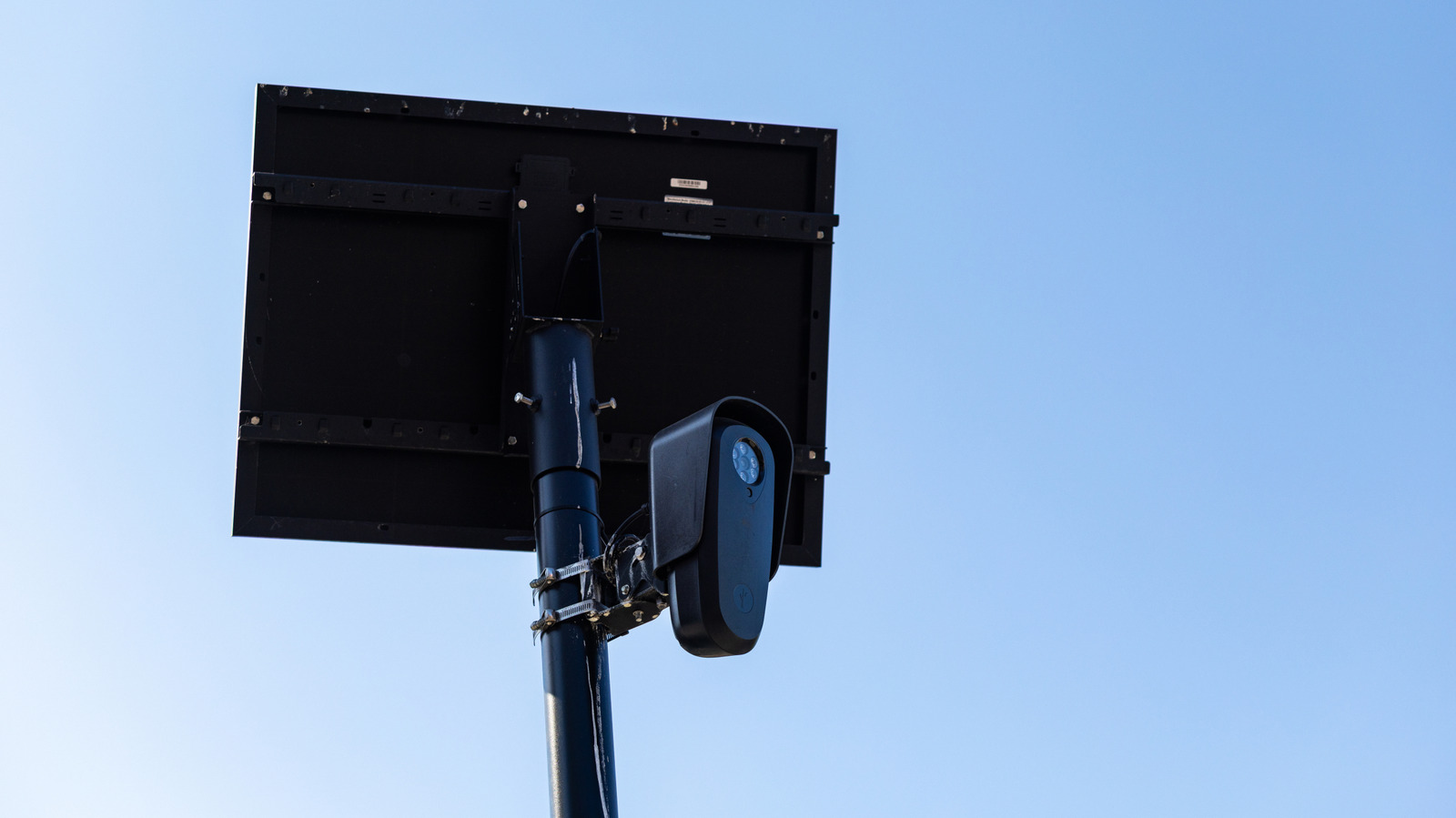
Missouri Governor Issues Executive Order Regulating Flock Safety License Plate Readers
Gov. Mike Kehoe has mandated state privacy guidelines and penalties for surveillance data misuse as local law enforcement agencies reconsider ALPR tech.
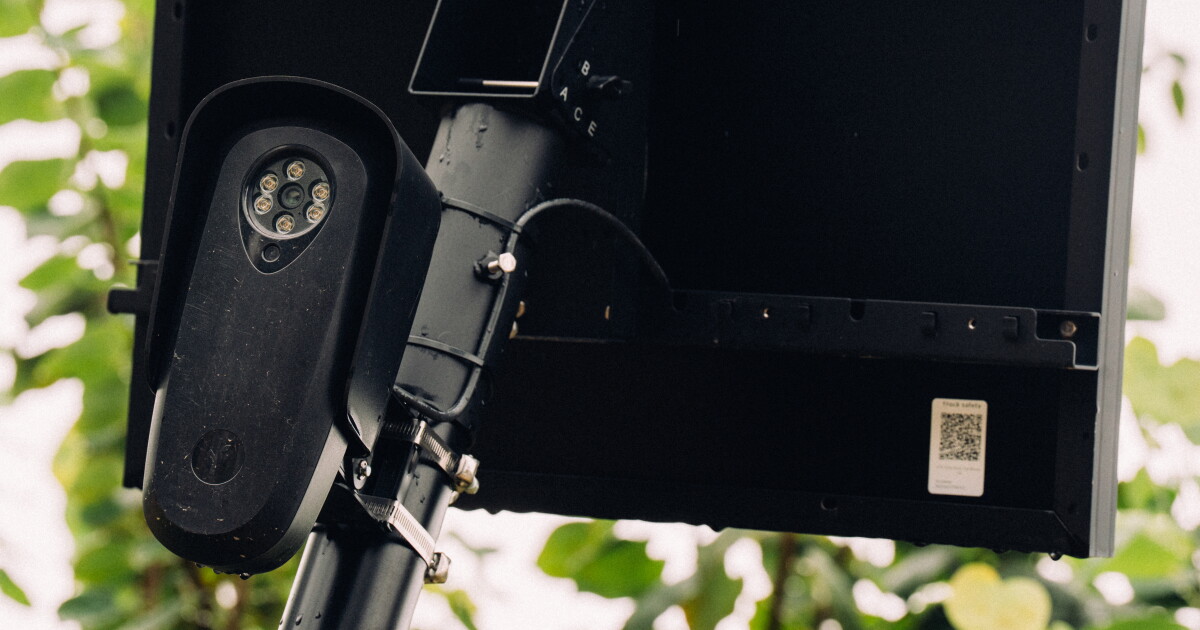
Missouri Governor Mike Kehoe signed an executive order imposing state-level regulations on automated license plate readers, taking direct aim at surveillance technology operated by vendors such as Flock Safety. The executive action seeks to limit potential misuse of vehicle tracking networks and establish privacy protections for residents across the state.
In a statement accompanying the decision, Kehoe highlighted the risks associated with storing location records on citizens without oversight. “The unchecked collection and indefinite storage of location data belonging to law-abiding citizens raises substantial, valid constitutional and privacy concerns,” Kehoe wrote. “The government should not be building a permanent record of where law-abiding Missourians go, who they visit, or how they live their daily lives.”
Under the terms of the order, first reported by Hacker News, the Missouri Department of Public Safety has been instructed to draft operational rules for state agencies and local police departments that receive state funding. The upcoming guidelines will dictate how state-funded entities store and manage data retrieved from automatic license plate reader (ALPR) systems.
The directive outlines immediate administrative and legal consequences for unauthorized data access. Any misuse of ALPR systems will trigger criminal referrals, internal disciplinary procedures, and a formal notice to the state public safety department to assess officer license revocation. Kehoe also called on municipal agencies to voluntarily adapt their current contracts and practices to meet these standards where permitted.
Kehoe framed the executive action as a temporary mechanism while the state legislature works on permanent law. Mark James, Director of the Missouri Department of Public Safety, noted that while the cameras provide analytical value to law enforcement, strict operating boundaries are essential. “Our department looks forward to collaborating with state and local law enforcement agencies, as well as the members of the Missouri General Assembly, to put this executive order into action,” James stated.
The regulatory intervention comes amid nationwide scrutiny of Flock Safety, which maintains a network of over 120,000 cameras utilized by law enforcement agencies across the country. Police departments frequently cite the platform as a key asset for solving criminal investigations, but privacy organizations and immigration advocates contend that keeping location logs on uncharged individuals creates significant civil liberties risks.
Several local agencies in Missouri have already taken steps to drop or re-evaluate Flock hardware following misuse allegations. The St. Charles County Police Department banned Flock cameras last month after a former civilian employee improperly accessed system data, while the Pulaski County Sheriff’s Department also announced it will end its deployment. In another incident, a Brentwood police officer was accused of using system records to stalk his ex-wife; a St. Louis County police inquiry found the officer breached departmental policy but did not commit a crime.
Sources
Written by
The Company Wire
Inside the companies building what’s next. Reporting on startups, technology, funding and the people shaping them.