Hacker Clones German Defence Minister's Fingerprint From Standard Photos
Jan Krissler used commercial software and news conference images to replicate Ursula von der Leyen's thumbprint, highlighting vulnerabilities in static biometrics.
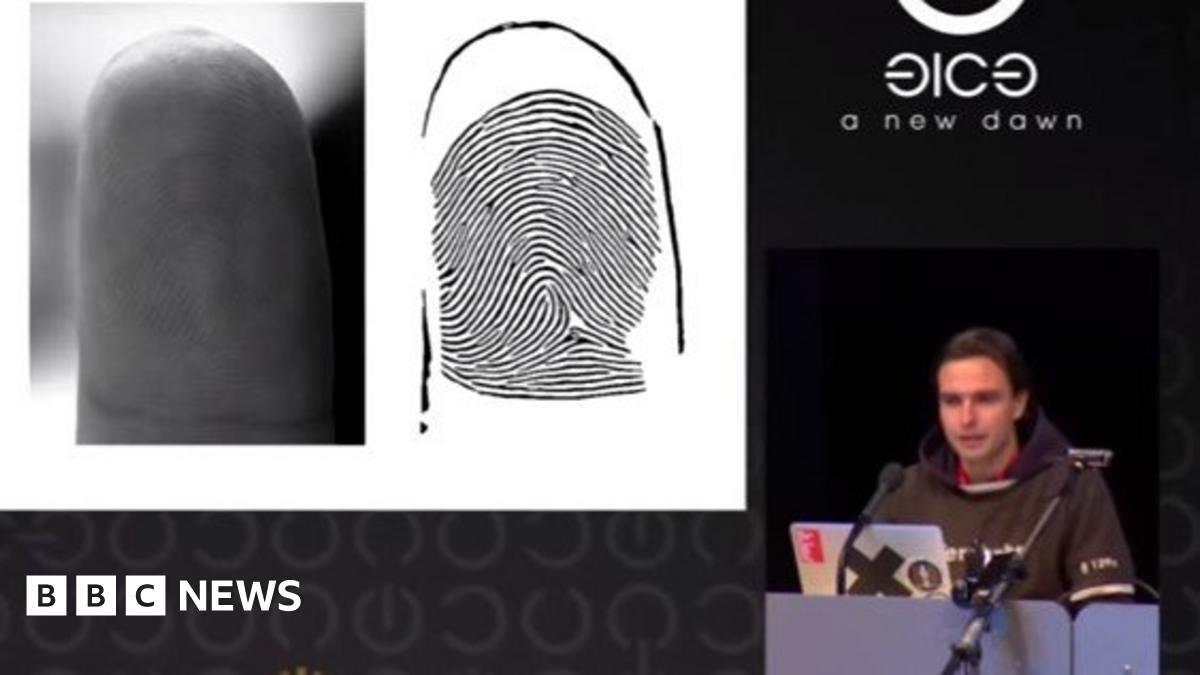
A member of the Chaos Computer Club hacker network has replicated the thumbprint of a senior German politician using commercial software and photographs captured on standard digital cameras. According to a report by Hacker News (https://www.bbc.com/news/technology-30623611), researcher Jan Krissler detailed the technique during a convention in Hamburg, showing how static biometrics can be harvested from public appearances.
Krissler, who is also known as Starbug, demonstrated his findings before members of the CCC, a 31-year-old organization that describes itself as Europe's largest association of hackers. To duplicate the fingerprint of German Defence Minister Ursula von der Leyen, Krissler used a close-up image of her thumb alongside additional photos taken from multiple angles during a press conference she addressed in October.
Following his presentation, Krissler remarked that politicians will presumably wear gloves when speaking in public once they understand the implications of the research. His demonstration comes as fingerprint biometrics remain widely deployed across consumer hardware, including Apple and Samsung devices, as well as civic infrastructure such as polling stations used in Brazil's presidential election this year.
Security analysts have long warned about the limitations of static biological identifiers. Prof. Alan Woodward, a cybersecurity expert from Surrey University, noted that while forging static markers such as fingerprints or facial features is not trivial, security experts broadly accept that they do not provide strong protection because they can be forged.
As a result, identity verification systems are shifting toward dynamic and live biometrics, including gait analysis and internal vein recognition. Unlike surface prints, vein patterns require an individual to be physically present and biologically active. In September, Barclays introduced finger vein recognition for its business clients, and similar systems operate in automated teller machines across Japan and Poland. Electronics manufacturer Hitachi builds readers that map internal vein structures, operating only when the scanned finger is attached to a living person. Clinical tests in the intensive care unit at Southampton General Hospital in 2013 also confirmed that finger vein patterns remain stable despite fluctuations in blood pressure.
Sources
Written by
The Company Wire
Inside the companies building what’s next. Reporting on startups, technology, funding and the people shaping them.