Lockheed Martin Tests Autonomous Missile Launch From Saildrone Ocean Vessel
During the RIMPAC 2026 exercise, a Saildrone Surveyor fired two JAGM missiles via remote Navy fire control systems, demonstrating new uncrewed surface combat capabilities.
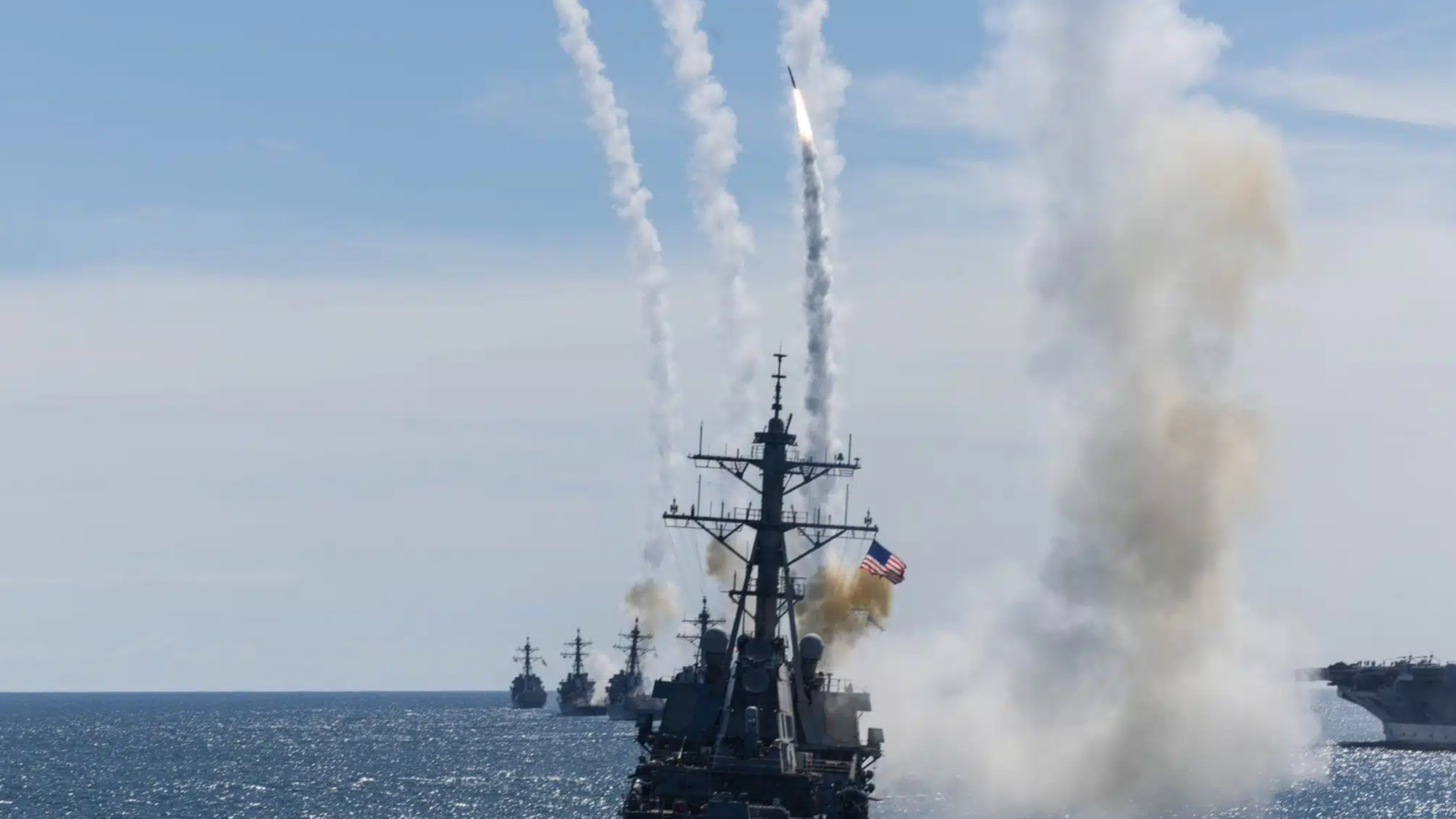
Defense technology giant Lockheed Martin has conducted a live-fire missile demonstration utilizing an autonomous ocean drone, marking a key milestone in the integration of uncrewed surface vessels into naval combat architecture. On August 20, the company disclosed that a Saildrone Surveyor-class unmanned surface vessel (USV), fitted with a dual-cell Joint Air-to-Ground Missile (JAGM) launcher, successfully fired two JAGM rounds during maritime trials. The test targeted data simulating a fast-moving surface boat, demonstrating the platform's ability to receive remote instruction and engage targets in maritime environments.
The firing trial took place as part of Exercise Rim of the Pacific (RIMPAC) 2026, operating in close coordination with the USS Theodore Roosevelt carrier strike group. Conducted under the auspices of the U.S. Navy's Fleet Experimentation Program, the operational fire control for the launch was executed through the Navy's Adjunct Remote Engagement System (ARES). Lockheed defines ARES as a remotely operated combat system designed to manage command-and-control functions. During the demonstration, targeting information was relayed over communications networks directly to the Saildrone Surveyor, which acted upon the external data to complete the strike routine.
The integration of strike weaponry onto uncrewed surface craft reflects a broader push across defense aviation and maritime sectors to field operational drone vessels, as detailed in reporting by TechRadar Pro. The U.S. Navy previously demonstrated containerized missile capability in September 2021, when the USV Ranger launched an SM-6 missile from a four-cell launcher as part of the Ghost Fleet Overlord experimental program. Additionally, Ukrainian forces have transitioned the concept into active combat, utilizing Magura-series drone boats equipped with modified R-73 air-to-air missiles to target Russian military helicopters and, according to military claims, an Su-30 fighter aircraft.
The operational scope of the missile platform is closely tied to the specific characteristics of its payload. The JAGM system serves as the primary replacement for the long-standing Hellfire missile, featuring a launch mass of 50 kilograms and an operational effective range of 18 kilometers. Due to these tactical specifications, the platform is not designed as a heavy ship-killer intended to sink capital warships. Instead, it offers target engagement against smaller, agile naval and aerial threats, including high-speed surface craft and incoming one-way attack drones.
Deploying weapons packages on relatively low-cost, uncrewed ocean platforms offers military planners a far less expensive alternative to traditional surface combatants. As reported in July by Naval News, Lockheed previously proposed surface-mounted JAGM launcher configurations for integration aboard U.S. Navy destroyers and littoral combat ships during peak combat engagements with Houthi forces in the Middle East. Transitioning that same firepower onto autonomous vessels like the Saildrone Surveyor could provide comparable defense capabilities against small-boat swarms and incoming aerial threats at a fraction of the operational and procurement costs associated with manned warships.
In addition to its kinetic strike payload, the Saildrone Surveyor demonstrated advanced sensor integration for reconnaissance and threat identification during the RIMPAC exercise. The vessel utilized a passive electronic warfare sensor system to detect, classify, and track potential threats in direct coordination with an MH-60 helicopter. This multi-domain connectivity illustrates how uncrewed surface platforms can operate as sensor nodes and defensive escorts to support larger surface fleets and naval aviation operations.
Despite the successful firing demonstration, significant logistical and tactical limitations remain for armed autonomous surface vessels. A central constraint of the current design is that the dual-cell launcher cannot reload itself while deployed at sea. Without automated replenishment systems or alternative vessel configurations, an uncrewed boat carrying only two missiles possesses limited magazine capacity that could be rapidly depleted or overwhelmed when confronting low-cost, massed drone swarms in high-intensity combat zones.
Whether the U.S. Navy will formally move to acquire and deploy armed autonomous vessels like the Saildrone Surveyor in active operations remains an open question. Although the underlying hardware and fire control software have been demonstrated in fleet exercises, the operational doctrine for armed USVs remains unproven in major naval warfare. Defense analysts note that issues surrounding production economics, the capacity for rapid mass manufacturing, and overall combat survivability must be addressed before military leaders commit to deploying armed uncrewed surface craft at scale.
Sources
Written by
The Company Wire
Inside the companies building what’s next. Reporting on startups, technology, funding and the people shaping them.