Mercy Health Replaces Cardiac Telemetry Technicians With Automated Monitoring Systems
The Ohio regional hospital is phasing out dedicated rhythm-monitoring staff in favor of bedside alerting tools, drawing union talks and patient safety scrutiny.
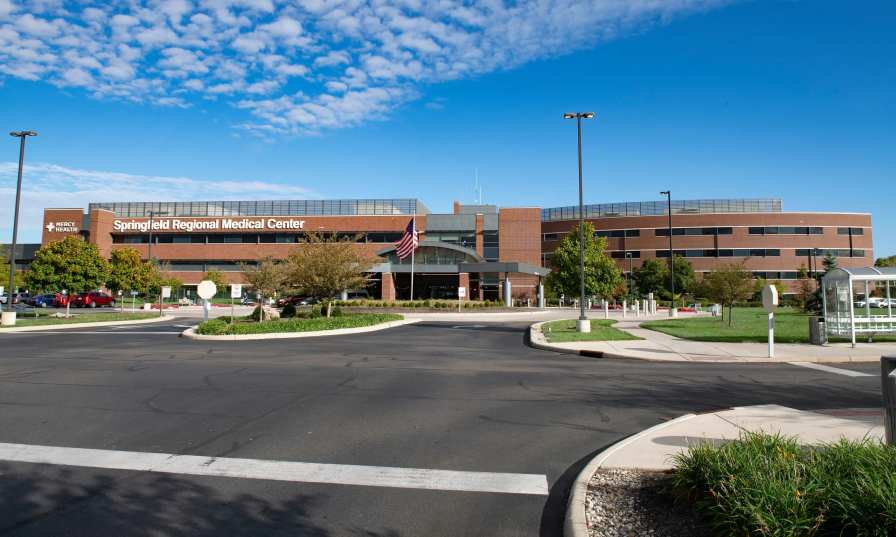
Mercy Health-Springfield Regional Medical Center is phasing out its cardiac telemetry monitor technician positions in favor of automated monitoring technology, bringing algorithmic oversight directly to acute patient care.
As reported by Tech Startups (https://techstartups.com/2026/11/27/ohio-hospital-plans-to-replace-healthcare-workers-with-ai-sparking-outrage-and-patient-safety-concerns/), following initial local reporting by the Springfield News-Sun, the Southwest Ohio medical center is cutting dedicated staff who continuously track electrocardiogram data and notify floor nurses of arrhythmias. The move tests whether automated rhythm alerting can safely substitute for continuous human oversight at the bedside.
A spokesperson for Mercy Health told the Springfield News-Sun that the hospital is “upgrading patient monitoring technology across our hospitals to bring critical information closer to the bedside and support more direct, responsive patient care.” The hospital added that the deployment aims to deliver real-time data directly to frontline clinicians to support faster decision-making and coordinated responses.
The transition is scheduled to occur gradually to preserve care continuity, according to the hospital. Affected technicians will be allowed to apply for unfilled vacancies across the network, though Mercy Health has offered no guarantee that every displaced employee will secure a position. The hospital has not publicly disclosed the software vendor, the technical specifications of the monitoring tools, the number of employees affected, or a definitive implementation schedule.
The decision has sparked opposition from healthcare workers, community members, and labor representatives. Telemetry technicians typically serve as an interpretive buffer, filtering baseline electrical noise and non-urgent irregularities before pinging nursing staff. Labor union SEIU District 1199 confirmed to local television station WDTN that it has opened discussions with hospital management to establish transition terms and evaluate options for affected staff.
Clinical observers have highlighted operational risks associated with removing human telemetry layers, notably alarm fatigue and automation bias. Bypassing dedicated technicians to send algorithmic alerts directly to floor nurses risks flooding staff with low-priority warnings, which can desensitize caregivers to critical cardiac events. In addition, hospitals face system resilience questions, as increased reliance on networked clinical software exposes monitoring workflows to technical outages and cybersecurity incidents.
Mercy Health maintains that the updated monitoring infrastructure will enhance bedside vigilance. The hospital's rollout will serve as an early test of whether clinical health systems can automate specialized diagnostic monitoring roles without worsening nurse workloads or patient safety.
Sources
Written by
The Company Wire
Inside the companies building what’s next. Reporting on startups, technology, funding and the people shaping them.