Meta Issues Smart Glasses Software Patch to Block Recording Light Evasion Loophole
A new firmware update automatically shuts off camera functionality if the device's LED indicator is obstructed during video capture.
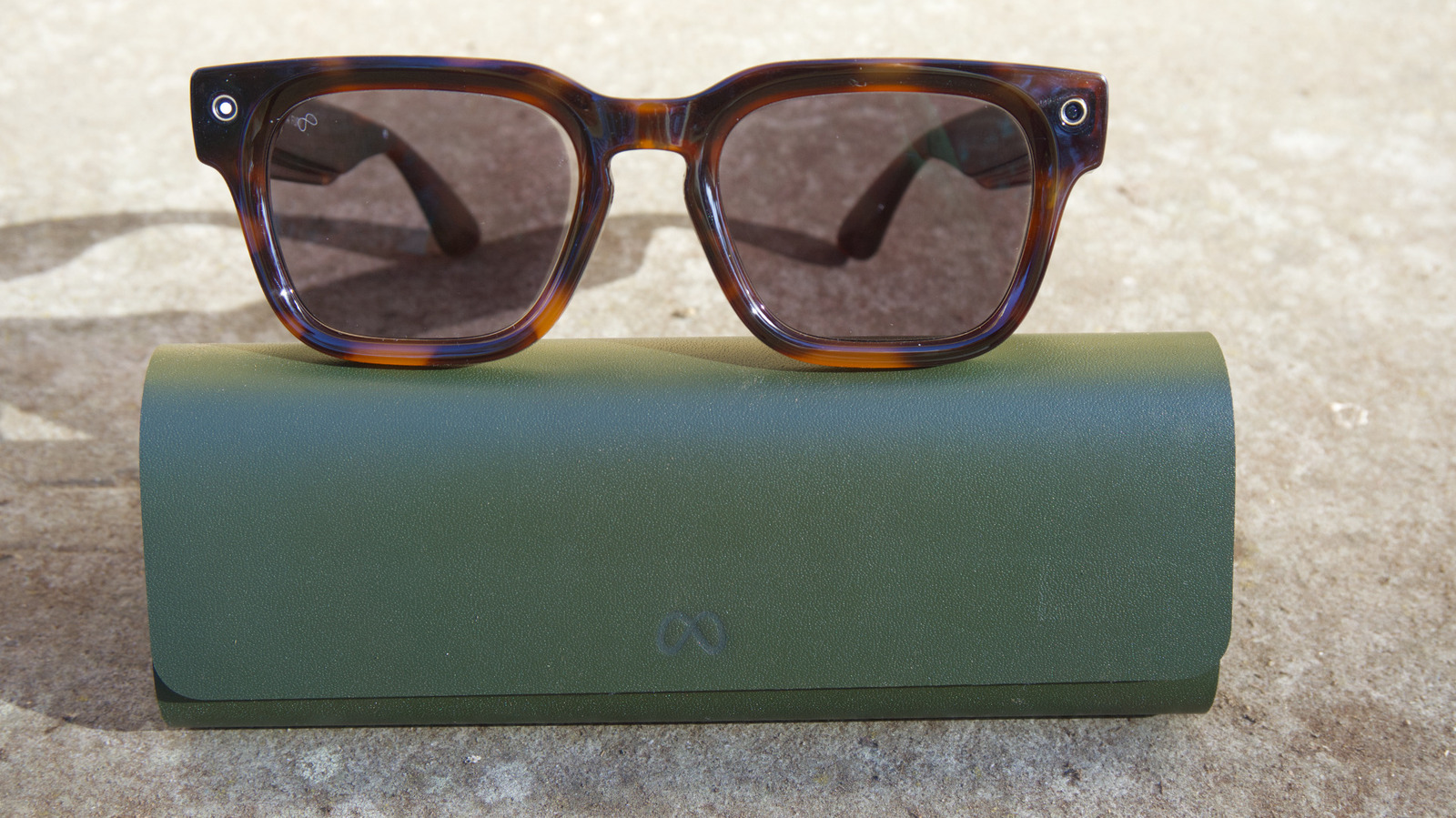
Meta Platforms Inc. has begun rolling out a system-level software update for its line of smart glasses to eliminate a widely shared operational loophole that enabled users to covertly record video while masking the device's visible recording indicator. The technical fix targets a hardware bypass where wearers obscured the outward-facing light emitting diode (LED) after an active recording session had already commenced. The confirmation of the security patch was made by Alex Himel, Meta’s Vice President of Augmented Reality, who outlined the company's response to ongoing consumer privacy concerns surrounding wearable camera technologies.
The specific vulnerability addressed by the update involves the sequence in which the smart glasses verify the visibility of their recording indicator. Previously, the device’s software included a restriction that blocked the camera from initiating video capture if it detected that the external LED was covered prior to activation. However, users discovered that this initial check did not continuously monitor the light's status throughout the duration of the recording. By pressing record first and subsequently applying a physical cover over the illumination window, individuals were able to keep the camera active without alerting surrounding bystanders, a technique that gained traction through various online instructional guides.
Addressing the issue directly on social media, Himel clarified how the software architecture was being modified to enforce real-time hardware monitoring. "The camera won't start recording if the LED is blocked, but some people try to bypass this by starting a recording and then covering it up," Himel wrote in a post on Threads. To neutralize this practice, the company modified the firmware to trigger an immediate shutdown of the optical sensors if the status of the indicator light changes while capture is active. Himel confirmed that "a fix for this is starting to roll out – the camera will now stop working if the light is covered during a recording."
The release of this patch represents the second time in less than two months that Meta has deployed urgent software adjustments aimed at bolstering privacy controls on its smart glasses. Just last month, the technology giant announced a separate software update that automatically disables the device's camera functionality if system diagnostics detect physical damage or mechanical tampering aimed at disabling the recording light. That earlier update focused on preventing permanent hardware modifications, whereas the latest release addresses real-time operational evasion during normal use.
These rapid software iterations underscore Meta's concerted efforts to get ahead of an escalating wave of public backlash regarding the potential for wearable camera devices to infringe on personal privacy in public spaces. The controversy has been exacerbated by documented instances of individuals using smart glasses to surreptitiously film bystanders and upload footage to online platforms without consent, sometimes resulting in public harassment. In response to the growing misuse of its hardware, Instagram—a subsidiary of Meta—has taken content moderation steps by suspending and banning accounts connected to the creation and distribution of covertly recorded videos.
Despite Meta's proactive firmware updates and platform policy enforcement, the company continues to confront a complex ecosystem of work-arounds designed to neutralize privacy features. As first reported by Engadget, an active market has emerged for inexpensive aftermarket accessories engineered specifically to obscure or diffuse the LED capture light without triggering the smart glasses' built-in detection mechanisms. The availability of these specialized physical add-ons highlights the persistent challenge hardware manufacturers face when balancing user experience with public safety safeguards.
In his public comments, Himel signaled that Meta intends to continue refining the software and security protocols governing its smart glasses portfolio to prevent future attempts at unauthorized capture. "We're going to keep rolling out updates like this to make sure the capture LED can reliably alert bystanders when photos or videos are being captured for someone's gallery," Himel stated. He also maintained that the extensive efforts required to bypass the default protections validate the overall efficacy of Meta's safety engineering, noting that "only a tiny minority of people try to get around these protections, and the fact they have to go to these lengths shows our efforts are working."
Sources
Written by
The Company Wire
Inside the companies building what’s next. Reporting on startups, technology, funding and the people shaping them.