Navigating the Fast-Charging Landscape: Standards, Protocols, and Hardware Compatibility
As USB Power Delivery with PPS emerges as an open industry baseline, proprietary fast-charging systems continue to create ecosystem fragmentation across modern mobile devices.
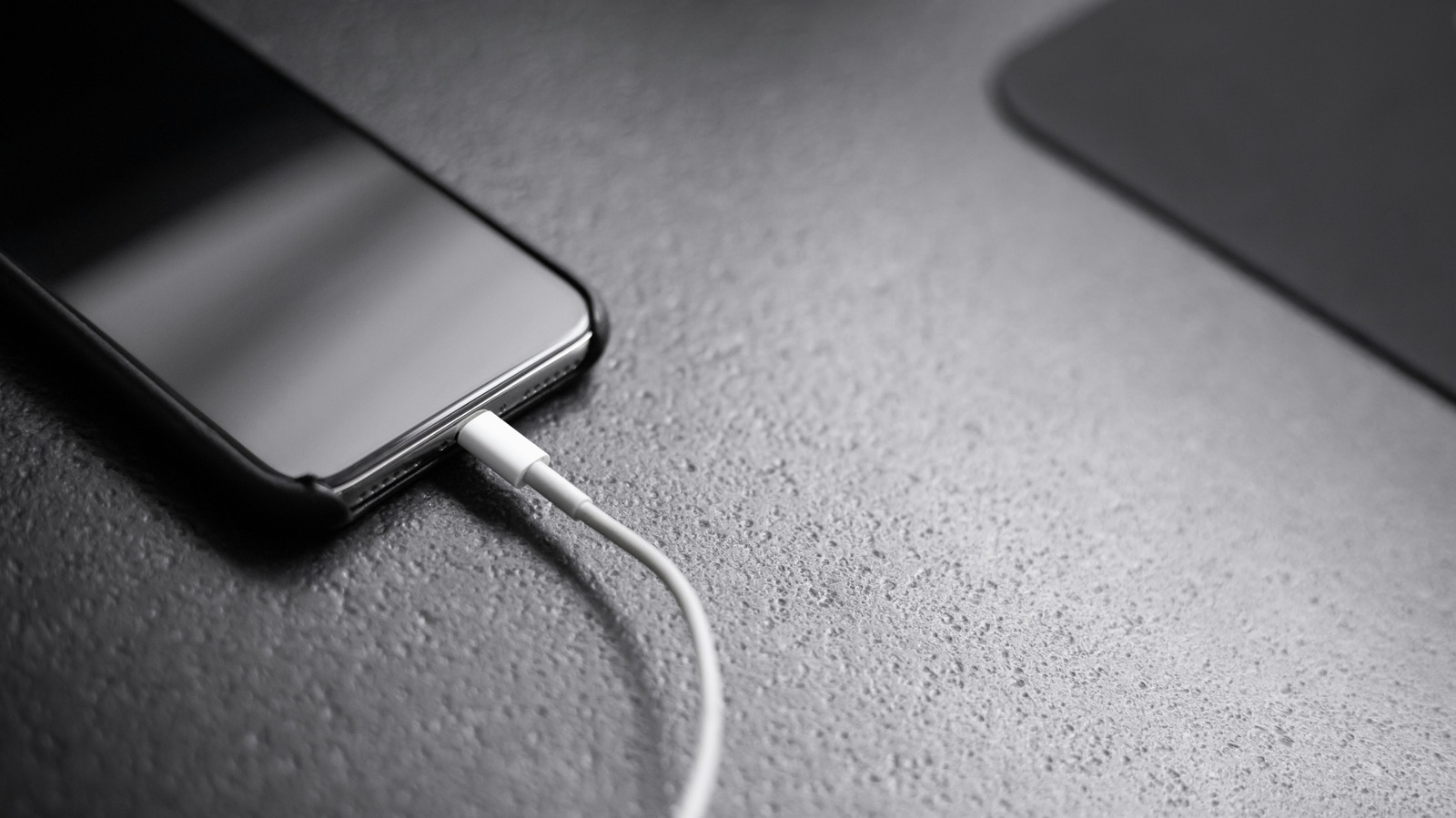
The consumer electronics ecosystem continues to navigate a complex matrix of fast-charging specifications, where physical connector uniformity through USB-C masks a fragmented array of underlying power-delivery protocols. While the broad adoption of USB-C hardware ports has standardized physical connections across modern mobile devices, thermal constraints, internal charge-controller designs, and proprietary software protocols dictate the actual power transfer rates achieved between wall adapters and handsets, according to an analysis published by Engadget.
At the core of cross-industry hardware standardization sits USB Power Delivery (USB PD), an open specification maintained by the USB Implementers Forum that serves as the baseline protocol across smartphones, tablets, and mobile computing platforms. Advanced iterations of the specification, including USB PD 3.1, support total power outputs up to 240 watts, while the latest USB PD 3.2 revision refines high-wattage power routing for demanding hardware like laptops and external monitors. Although mobile handsets rarely require maximum wattage allocations due to thermal management thresholds within compact chassis, USB PD forms the architectural foundation for major flagships, including Apple's iPhone 17 series.
Within the USB PD ecosystem, Programmable Power Supply (PPS) has become an essential sub-protocol for dynamic thermal and energy management in modern Android hardware. PPS enables a connected device to request granular, real-time adjustments to voltage and current throughout the charging process, reducing step-down conversion losses inside the phone and lowering operational heat. Samsung incorporates PPS into its 60-watt "Super Fast Charging 3.0" architecture on the Galaxy S26 Ultra, while Google utilizes USB-C PPS to achieve peak charging speeds across its Pixel 11 lineup, with the Pixel 11 Pro designed around a 45-watt PPS specification.
The broad adoption of USB PD has shifted the strategies of silicon vendors such as Qualcomm. Qualcomm Quick Charge, which pioneered early proprietary fast-charging architectures on Android hardware, has evolved to ensure recent versions maintain full compatibility with USB PD standards. Moreover, the presence of a Qualcomm System-on-Chip inside a smartphone no longer guarantees the inclusion of Quick Charge technology, as original equipment manufacturers increasingly elect to deploy alternative power delivery implementations or rely exclusively on native USB PD compliance.
Concurrently, several Asian smartphone OEMs maintain high-wattage proprietary ecosystems alongside baseline USB PD support. Manufacturers such as OnePlus and Oppo deploy systems based on SuperVOOC technology, while Xiaomi implements its proprietary HyperCharge spec on select models. These specialized systems advertise peak charging rates reaching 80 to 100 watts or higher, though reaching these rates requires pairing the device with proprietary power adapters and specialized high-current cabling. When connected to standard third-party USB PD power supplies, these devices typically revert to lower, baseline charging speeds.
Despite marketing claims emphasizing maximum wattage throughput, actual power delivery operates along non-linear charge curves. Modern devices draw peak wattage exclusively during the initial phase of a charging cycle when battery state-of-charge is low, rapidly tapering current absorption as internal cell capacity fills. This dynamic power scaling mitigates thermal generation, which remains the primary accelerator of lithium-ion chemical degradation over time. Integrated power management ICs actively monitor real-time temperature metrics to adjust power input dynamically during fast-charging operations.
To complement hardware-level thermal protections, mobile operating system developers have expanded software-driven battery preservation features. Apple's iOS incorporates Optimized Battery Charging—which delays battery replenishment past 80 percent based on user routine—alongside customizable charge ceiling controls between 80 and 100 percent on the iPhone 15 and subsequent models. Samsung offers Battery Protection controls across its One UI ecosystem, while Google provides Charging Optimization features including Adaptive Charging and an 80 percent cap on Pixel hardware. Additionally, hardware features in devices like the Samsung Galaxy S26 series allow users to pause battery charging entirely during intensive gaming sessions, bypassing the battery to power hardware components directly from the wall source.
For enterprise deployments and consumer applications requiring multi-device interoperability, power supplies supporting USB-C Power Delivery with PPS offer the broadest baseline compatibility across modern smartphones, tablets, and laptops. While proprietary ecosystems continue to push boundaries in raw peak wattage, standardized open protocols remain the primary foundation for cross-platform hardware compatibility and sustained battery health management.
Sources
Written by
The Company Wire
Inside the companies building what’s next. Reporting on startups, technology, funding and the people shaping them.