Samsung Outsources DDR5 and SSD Production to Prioritize AI Memory Packaging
The South Korean chipmaker is shifting standard memory module growth to contract partners to clear domestic back-end cleanroom space for High Bandwidth Memory.
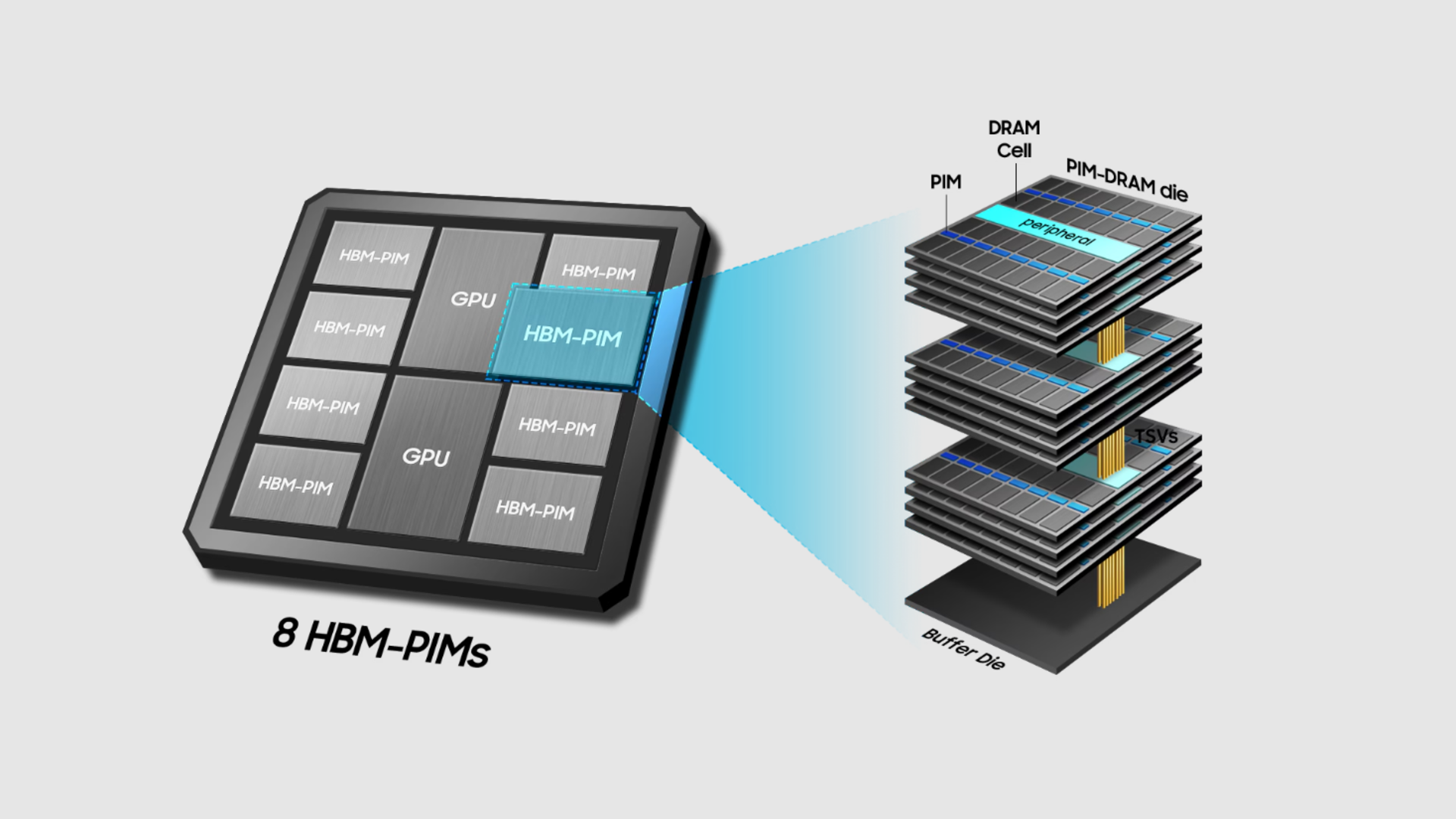
Samsung Electronics is shifting all additional production of conventional memory modules and solid-state drives to external manufacturing partners as it reallocates domestic cleanroom space toward artificial intelligence hardware, according to reporting by TechRadar Pro (https://www.techradar.com/pro/samsung-could-follow-micron-by-outsourcing-ddr5-and-ssd-production-to-third-parties-to-focus-on-more-lucrative-hbm-and-enterprise-products-could-sandisk-follow-suit). Under the updated operating strategy, third-party packaging firms will absorb capacity growth for DDR5 modules and SSDs while Samsung reserves in-house facilities for High Bandwidth Memory (HBM).
The reallocation addresses severe physical space limits across Samsung's packaging plants in Cheonan and Onyang, South Korea. An industry source familiar with the matter told TechRadar Pro that Samsung lacks the footprint required to expand internal back-end lines for AI semiconductors, prompting the company to reassign existing equipment and floor space to advanced packaging lines while outsourcing conventional module increases.
To handle the displaced volume, Samsung has asked its outsourced semiconductor assembly and test partners to accelerate their capacity expansion plans. Key manufacturing partners in the region, including Dreamtech, Hanyang Digitech, and SFA Semicon, are already scaling operations to meet the demand.
Dreamtech began mass production of DDR5 modules at its facility in Noida, India, last November and authorized further equipment investments in June. The Noida plant, previously dedicated to assembling smartphone circuit boards, is slated to reach an annual capacity exceeding 50 million units. Separately, Hanyang Digitech has invested more than 31.5 billion won in 2026 to automate its memory module assembly facility in Vietnam.
At the same time, SFA Semicon is relocating DDR5 assembly and test equipment from Samsung's Onyang campus to a new facility in the Philippines. The initial equipment transfer begins in November, with a second phase scheduled for the second quarter of 2027. The transfer clears physical room at Onyang, where Samsung is building a 6 trillion won multi-year HBM packaging plant.
Samsung is also constructing a $1.5 billion back-end facility in Thai Nguyen Province in northern Vietnam to handle testing for legacy memory formats, including DDR4, low-power LPDDR4, NAND flash, and universal flash storage. Conventional DDR5 module assembly relies on surface-mount technology to attach prepackaged DRAM and NAND chips to printed circuit boards, making the process significantly easier to outsource than high-density HBM packaging.
The transition follows a path previously taken by competitor Micron, which shifted standard memory assembly externally to concentrate in-house resources on higher-margin enterprise and AI memory products.
Sources
Written by
The Company Wire
Inside the companies building what’s next. Reporting on startups, technology, funding and the people shaping them.