Server Makers Demand Up to 45% Surcharges on Signed AI Contracts as Memory Costs Surge
Dell, HPE, Lenovo, and Supermicro are repricing hardware orders months after agreement, testing whether enterprise purchase orders still guarantee price certainty.
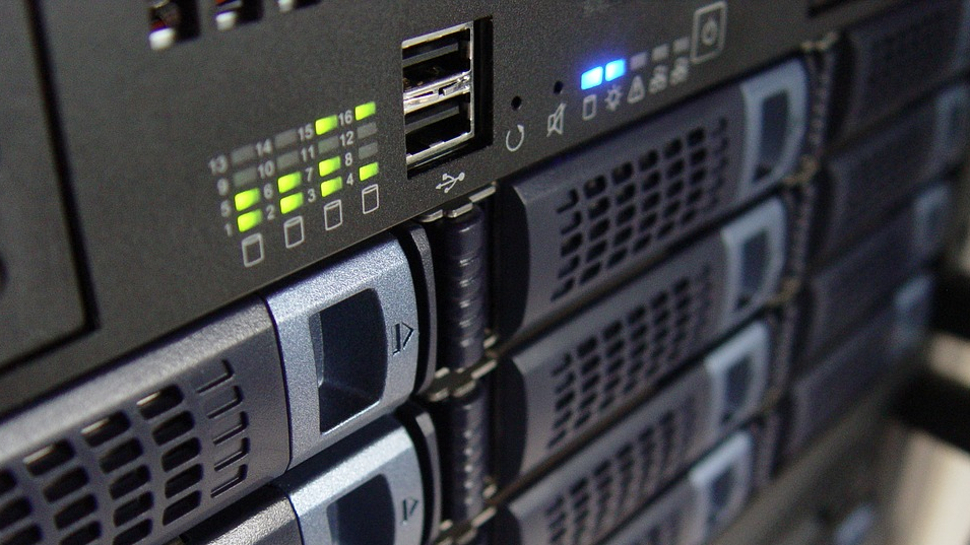
Enterprise hardware manufacturers including Dell Technologies, Hewlett Packard Enterprise, Lenovo, and Supermicro are returning to customers months after contracts were signed to demand price increases of up to 45% before delivering systems, according to an investigation reported by TechRadar Pro (https://www.techradar.com/pro/ai-server-giants-including-hpe-dell-and-more-are-reportedly-hiking-prices-by-45-percent-months-after-contracts-have-been-signed-as-memory-shortage-bites), drawing on reporting from the Financial Times. Industry insiders said final invoices on signed orders have arrived with unexpected uplifts ranging between 25% and 45%, with vendors attributing the mid-contract renegotiations to unprecedented spikes in dynamic random-access memory (DRAM) prices.
The repricing underscores a stark shift in commercial leverage within the data center supply chain. Rather than absorbing component inflation through extended lead times, original equipment manufacturers (OEMs) are leveraging severe hardware scarcity to rewrite the economics of delivery. Customers facing multi-quarter backlogs have little recourse: abandoning an allocation often means restarting queues elsewhere or leaving multimillion-dollar data halls idle.
Among the buyers confronting post-signing adjustments are quantitative and algorithmic trading firms, including Jane Street, Optiver, and Hudson River Trading, all of which have been aggressively expanding compute footprints. Most affected institutions are quietly absorbing the premiums. In high-frequency trading, where trading revenues depend on latency and throughput, the cost of missing deployment windows far exceeds the price of an unexpected server surcharge. When queried on whether existing contracts included explicit price-protection clauses, the trading firms declined to comment or did not respond, while HPE and Supermicro declined to comment and Dell and Lenovo did not respond.
The primary catalyst for the price increases is memory. Research from JPMorgan indicates that DRAM prices have surged by more than 400% since the beginning of 2024. The financial impact varies sharply depending on system architecture. In specialized GPU clusters, where costly accelerators dominate the bill of materials, overall server prices have risen by an estimated 20% to 30%. In contrast, conventional memory-heavy CPU nodes have seen costs double or triple, because memory accounts for a far greater proportion of their total component expense.
Vendors have laid the groundwork for flexible billing for nearly a year. Internal Dell sales guidance circulated in late 2025 warned commercial customers that ordering for future delivery would not lock in prevailing prices. In March 2026, HPE Chief Executive Antonio Neri disclosed that the company had altered its quoting terms to reserve the right to reprice existing orders if commodity component costs escalated prior to shipment. Although HPE later rolled out price guarantees for deals under $1 million net with 30-day quote validity, that threshold offers no relief to enterprise AI clusters, where single purchase orders routinely exceed hundreds of millions of dollars.
The dispute has already triggered high-stakes commercial litigation. In June 2026, algorithmic trading firm XTX Markets, through its Finnish subsidiary XTX Finland Oy, filed suit in Ireland's High Court against Dell Products Unlimited Company. Court records indicate XTX agreed in November 2025 to acquire 1,680 servers for a 15,000-square-meter facility at an agreed price of roughly $549 million, paying an additional $5 million premium specifically to hedge against subsequent component inflation. After delivery was delayed by two months, Dell notified XTX that rising part costs required an additional payment between $62 million and $70 million, prompting XTX to place $70 million into escrow. In court filings, Dell disputed XTX's claims, arguing it could not sustain tens of millions of dollars in losses on the order and noting other customers had accepted similar cost adjustments after surveying rival suppliers.
The supply bottleneck shows no sign of abating. Dell Vice Chairman and Chief Operating Officer Jeff Clarke recently told analysts that the component crunch will persist throughout 2027, while memory producers Micron and SK Group have signaled that manufacturing constraints could stretch into 2028 or 2030. The legal limits of vendor repricing will face their first critical test in December, when the Irish Commercial Court hears arguments in XTX's lawsuit over whether upfront price guarantees remain binding when supply chains fracture.
Sources
Written by
The Company Wire
Inside the companies building what’s next. Reporting on startups, technology, funding and the people shaping them.