Smart TV Driver Updates Trigger Unwanted Bloatware Downloads via EDID Protocols
Hardware connections between laptops and smart displays can automatically deliver bundled third-party software through operating system updates.
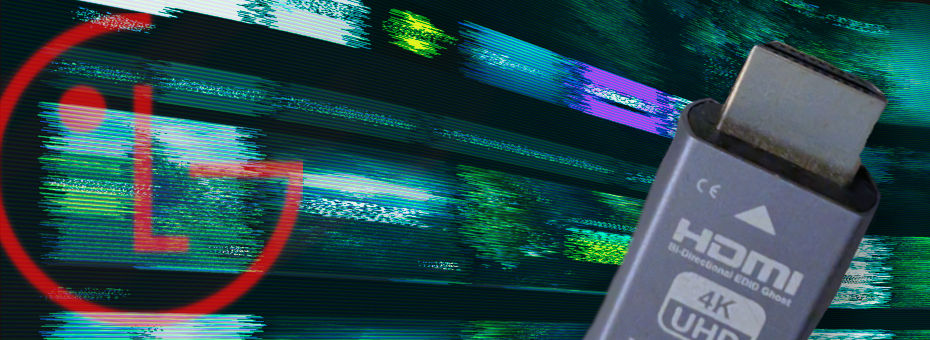
Modern smart televisions, particularly those manufactured by LG Electronics, are utilizing standard display identification protocols to prompt host operating systems into downloading driver packages that contain bundled third-party applications, according to technical analysis highlighted by Hacker News. While flat-panel monitor pricing has remained relatively flat compared to hardware experiencing artificial intelligence demand, manufacturers are increasingly leveraging software ecosystem monetization to generate revenue after display sales.
The mechanism relies on Extended Display Identification Data (EDID), a metadata standard transmitted whenever a display connects to a computer through HDMI or DisplayPort interfaces. EDID provides the host operating system with basic hardware parameters, including display capabilities, manufacturer identifiers, and serial numbers. Under standard operation, this data allows operating systems such as Microsoft Windows 11 to recognize connected displays as UPNP devices within Device Manager and automatically set resolution parameters.
However, the technical analysis notes that when host operating systems process EDID metadata to optimize hardware performance, automated services like Windows Update retrieve manufacturer-specific driver packages matching the display identifier. For connected LG displays, these driver installations include legal agreements that allow the vendor to bundle auxiliary applications—such as McAfee antivirus software—onto the host machine without separate explicit prompts to the user.
The reporting highlights a growing market division between consumer smart televisions and commercial displays. Consumer units frequently offset retail hardware prices by bundling smart operating systems, automated content recognition, and advertising delivery platforms. Conversely, non-smart displays that omit smart operating systems and data collection infrastructure are primarily marketed to enterprise buyers, who pay a price premium for simple display functionality.
Security risks linked to automated display driver installations also extend into corporate travel and enterprise environments. Networked smart displays deployed in enterprise settings or renovated hotel properties, such as Hilton locations, present potential security exposures when travelers connect enterprise laptops to in-room televisions. The report warns that hardware vendor driver agreements could eventually expand beyond Windows into open-source Linux distributions via package managers like apt or snap repositories.
To counter unwanted software delivery over display interfaces, users and technical professionals utilize hardware-based EDID blockers and DisplayPort emulators. These inline devices sanitize or alter the display metadata transmitted over the cable, preventing the host operating system from recognizing specific hardware models and triggering automatic driver downloads. While low-cost passthrough adapters often exhibit unreliable performance, commercial EDID emulators typically range in price from $50 to $150.
Using hardware EDID blockers involves minor functional trade-offs, such as causing host system BIOS settings to default temporarily to 4K resolution before the primary operating system initializes. Nonetheless, as consumer hardware vendors continue utilizing peripheral connections for secondary software distribution, hardware-level metadata control is becoming a relevant security consideration for enterprise network administrators and privacy-conscious users.
Sources
Written by
The Company Wire
Inside the companies building what’s next. Reporting on startups, technology, funding and the people shaping them.