SpaceX Builds In-House Natural Gas Trading Operation for Rocket Fuel and Semiconductor Fab
The commercial space giant is recruiting a energy trader to manage physical and financial gas markets as it builds out power plants and pipelines.
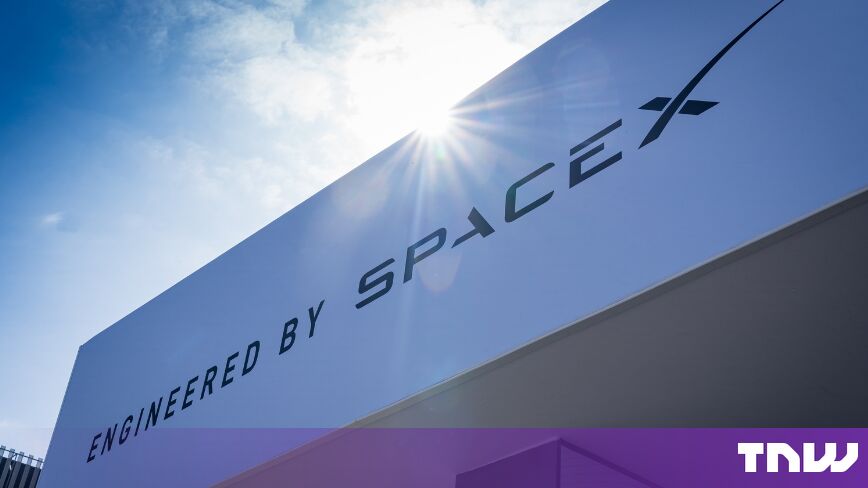
SpaceX is establishing an internal natural gas trading operation to handle its growing power and fuel demands, seeking a trader to direct physical and financial market positions, according to a job listing first reported by Bloomberg and detailed by The Next Web. The posting, identified on Friday by Houston-based commodities reporter Julian Hast, specifies that the position will be located on-site at either Cape Canaveral, Florida, or Starbase, Texas, with no option for remote work.
The chosen work locations place the new trading function alongside SpaceX operational sites rather than established energy trading hubs such as Houston, Calgary, or Stamford, Connecticut. The move reflects the direct role gas plays in the company's core technology. SpaceX's Starship rocket relies on super-chilled methane combined with liquid oxygen for fuel, making natural gas a primary raw material for flight operations rather than a routine utility expense.
Beyond rocket propellant, the natural gas supply is tied to large-scale infrastructure projects in Texas. SpaceX recently announced plans to build gas-fired power generation plants to supply electricity to a $16.8 billion semiconductor fabrication facility being developed in partnership with Tesla. Chief Executive Elon Musk broke ground on the Texas fab in early August, calling it the most valuable building on Earth. The facility requires uninterrupted power on a faster timeline than local electrical utilities can typically deliver, amid widespread demand from data centers and industrial projects nationwide.
The job opening aligns with long-term infrastructure plans outlined earlier this year by company leadership. During a June interview with CNBC, SpaceX President and Chief Operating Officer Gwynne Shotwell stated that the enterprise intends to construct its own gas pipelines and is evaluating direct natural gas drilling. Shotwell described the moves as significant capital investments designed to produce proprietary propellant and transport it directly to launch systems.
By forming a trading desk, SpaceX is shifting energy from an operational cost line into a actively managed portfolio position. Physical trading involves taking delivery of natural gas and managing logistics, while financial trading uses derivative contracts to hedge against price swings. Similar moves are occurring across the broader technology sector as energy needs expand. OpenAI recently sought a power-trading lead for its data center operations, Meta exited the RE100 renewable energy coalition this summer as its gas consumption grew, and Nvidia acquired equity stakes in three land and power entities this month, including Cloverleaf.
Managing energy trading introduces financial commodity risk alongside manufacturing and launch operations. SpaceX made its public market debut on the Nasdaq in June, meaning trading positions and financial hedges will eventually appear in public financial reporting. Concurrently, the firm's revenue mix is evolving, with Musk informing employees during an all-hands meeting this month that SpaceX AI is projected to generate more revenue than rocket launches by September. In addition, Tesla is reportedly weighing a sell-off of its Chinese assets to facilitate a potential merger with SpaceX.
The expansion into physical gas infrastructure also introduces local regulatory and community considerations. At Starbase in Texas, 80 residents filed a lawsuit against SpaceX in June alleging launch activities damaged their residences. Establishing gas wells, pipelines, and power generation turbines will require extensive land rights, environmental permits, and local approvals. SpaceX did not respond to Bloomberg's request for comment and has not disclosed expected trading volumes, facility locations, project schedules, or whether the desk will trade natural gas for third parties.
Sources
Written by
The Company Wire
Inside the companies building what’s next. Reporting on startups, technology, funding and the people shaping them.