Ukrainian Drone Strikes Knock Out Three Core Yandex Data Centers
Retaliatory attacks target facilities housing AI supercomputers and enterprise cloud infrastructure, triggering widespread outages across Russia.
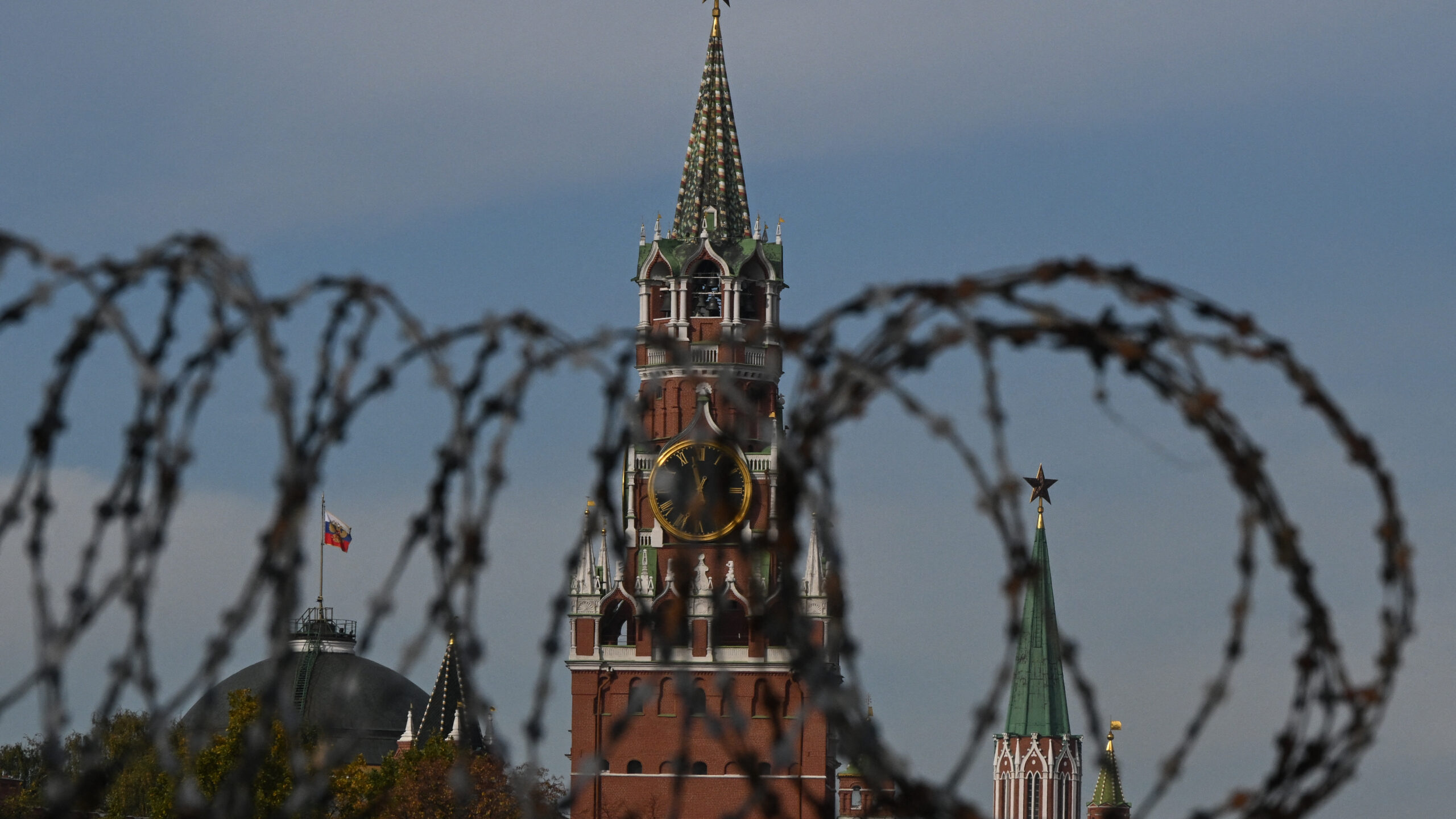
A series of Ukrainian drone strikes has disabled three of the largest data centers operated by Russian technology giant Yandex, knocking out critical cloud infrastructure and supercomputers used to train the company's YandexGPT model, according to a report from Ars Technica (https://arstechnica.com/gadgets/2026/10/russia-was-not-ready-for-the-data-center-war-it-started-with-ukraine/).
The strikes followed a late September Russian campaign against Ukrainian telecommunications networks and data centers that disrupted internet and cellular service for roughly 100,000 households in Kyiv. Ukrainian President Volodymyr Zelenskyy described the counter-strikes as a symmetrical response, targeting Yandex facilities across three regions surrounding Moscow over four days.
The strikes began on Oct. 8 at a facility in Sasovo, southeast of Moscow. That site houses two supercomputers built on Nvidia A100 GPUs: the 29.42-petaflop Chervonenkis system (ranked 101st on the Top 500 list) and the 20.03-petaflop Lyapunov system (ranked 161st). On Oct. 9, a second strike hit a 63-megawatt data center in the Kaluga region southwest of Moscow, among the largest server facilities in Russia. On Oct. 11, a third attack forced Yandex to suspend operations at its Vladimir site east of Moscow, which houses the 20.64-petaflop Galushkin supercomputer (ranked 134th), according to BBC News.
The physical damage triggered cascading service disruptions across Russia. Yandex, which holds approximately 70 percent of Russia's search market, experienced outages across ride-hailing, food delivery, navigation, digital banking, payment processing, e-commerce, and email services. Independent outlet The Moscow Times reported that outages also hit Yandex Cloud clients, including national grocery chains, fast-food operators, and appliance retailers.
Russian military commentators noted that Yandex's dominance and physical concentration have created an acute structural vulnerability. In posts translated by independent researcher ChrisO_wiki, military blogger Ratio Militaris warned that hyper-centralization turned the company's infrastructure into a high-value operational target. Blogger Artjockey noted that Russia's 2019 Sovereign Internet Law—combined with Western sanctions—effectively bars domestic operators from using foreign cloud backups, while neighboring allies like Belarus and Kazakhstan lack the necessary data center capacity.
By contrast, Ukraine has maintained digital continuity by distributing its footprint into smaller regional facilities, placing infrastructure underground, and migrating state systems to Western cloud providers. Amazon Web Services currently hosts more than 15 petabytes of data for over 60 Ukrainian government bodies and private energy operator DTEK, alongside support from Microsoft.
Restoring Yandex's operational capacity could take up to six months due to hardware replacement and supply chain constraints, according to an IT specialist cited by Russian newspaper Kommersant.
Sources
Written by
The Company Wire
Inside the companies building what’s next. Reporting on startups, technology, funding and the people shaping them.