Global Data Center Expansion Drives Water Stress and Physical Security Risks, Study Finds
Research shows rapid server infrastructure buildouts are taxing water supplies in countries like Belgium and heightening physical security vulnerabilities for cloud operators.

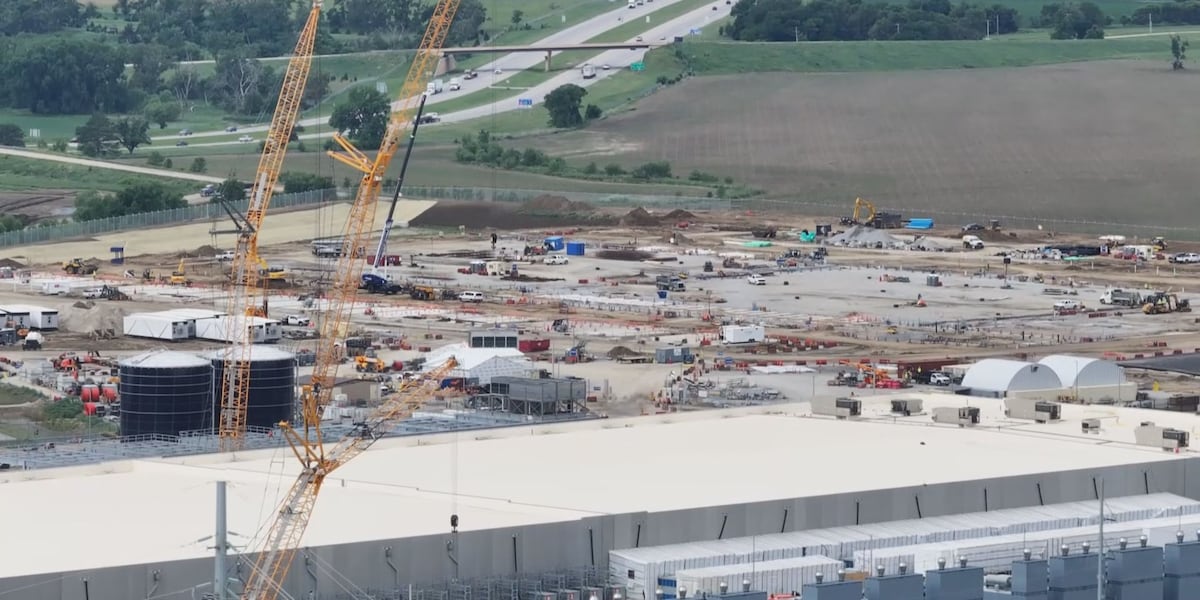
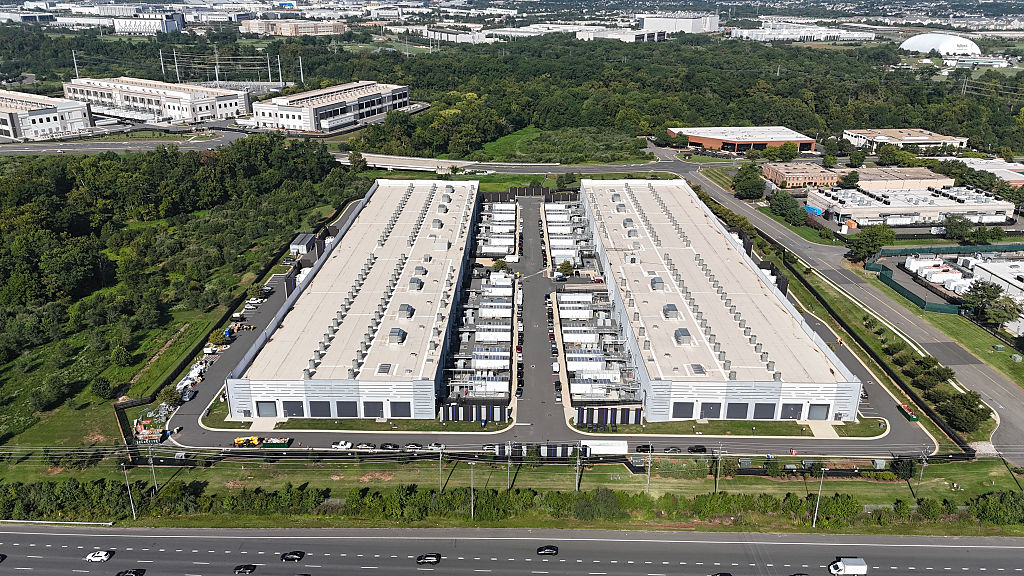
The rapid global expansion of data center infrastructure over the past three years has intensified localized environmental stress and introduced new operational risks for cloud providers, according to a Comparitech study reported by TechRadar Pro (https://www.techradar.com/pro/these-are-the-countries-which-have-officially-built-the-most-data-centers-and-the-ones-where-people-are-getting-concerned-about-water-consumption-the-most). While the United States continues to lead aggregate construction volume, smaller nations with constrained resources are experiencing significant pressure on municipal water supplies required for cooling.
According to the study, the United States has built 127 data centers since 2023—ten times more than any other country—bringing its national total to 5,427 facilities. Over the same period, Russia added 77 facilities, representing 44% growth to reach a total of 251, though its infrastructure represents less than 5% of U.S. output. The United Kingdom expanded its footprint by 58 facilities, an increase of 12%.
To evaluate ecological impact, Comparitech referenced the World Resources Institute standard, which defines water stress as a jurisdiction consuming more than 80% of its total available water supply. On a scale where 1.0 represents low stress and 4.0 to 5.0 indicates extremely high stress, Chile scored 4.5 and Belgium scored 4.4. The United States recorded a score of 2.6, while the United Kingdom registered 1.3.
The findings indicate that data center cooling demands can strain water resources even in temperate climates. Belgium, despite its damp conditions, has added 12 new data centers since 2023. With individual modern data centers consuming up to five million gallons of water daily, the report noted that such growth risks overextending local water capacity.
Beyond environmental concerns, the report highlighted growing physical and geopolitical risks facing concentrated infrastructure. In March 2026, Iranian forces launched Shahed drone strikes targeting Amazon Web Services facilities in the United Arab Emirates during broader hostilities that also damaged AWS sites in Bahrain. The report also cited Russian strikes on a data center in Kyiv, illustrating how digital infrastructure is increasingly targeted as strategic national assets.
Comparitech warned that geographic clustering creates operational trade-offs. While grouping facilities provides efficiency in power delivery and high-speed network connectivity, it concentrates risk by creating single points of network failure, straining local utilities, and presenting high-value targets during armed conflicts as computing assets become central to national economies and artificial intelligence infrastructure.
Sources
Written by
The Company Wire
Inside the companies building what’s next. Reporting on startups, technology, funding and the people shaping them.