Nutrafol Co-Founder Targets Fast Liquidity and Philanthropic Yields With New Family Office
Giorgos Tsetis’s family office, Great Things, mandates that 20 percent of investment profits go directly to charity while pivoting away from early-stage AI hype.

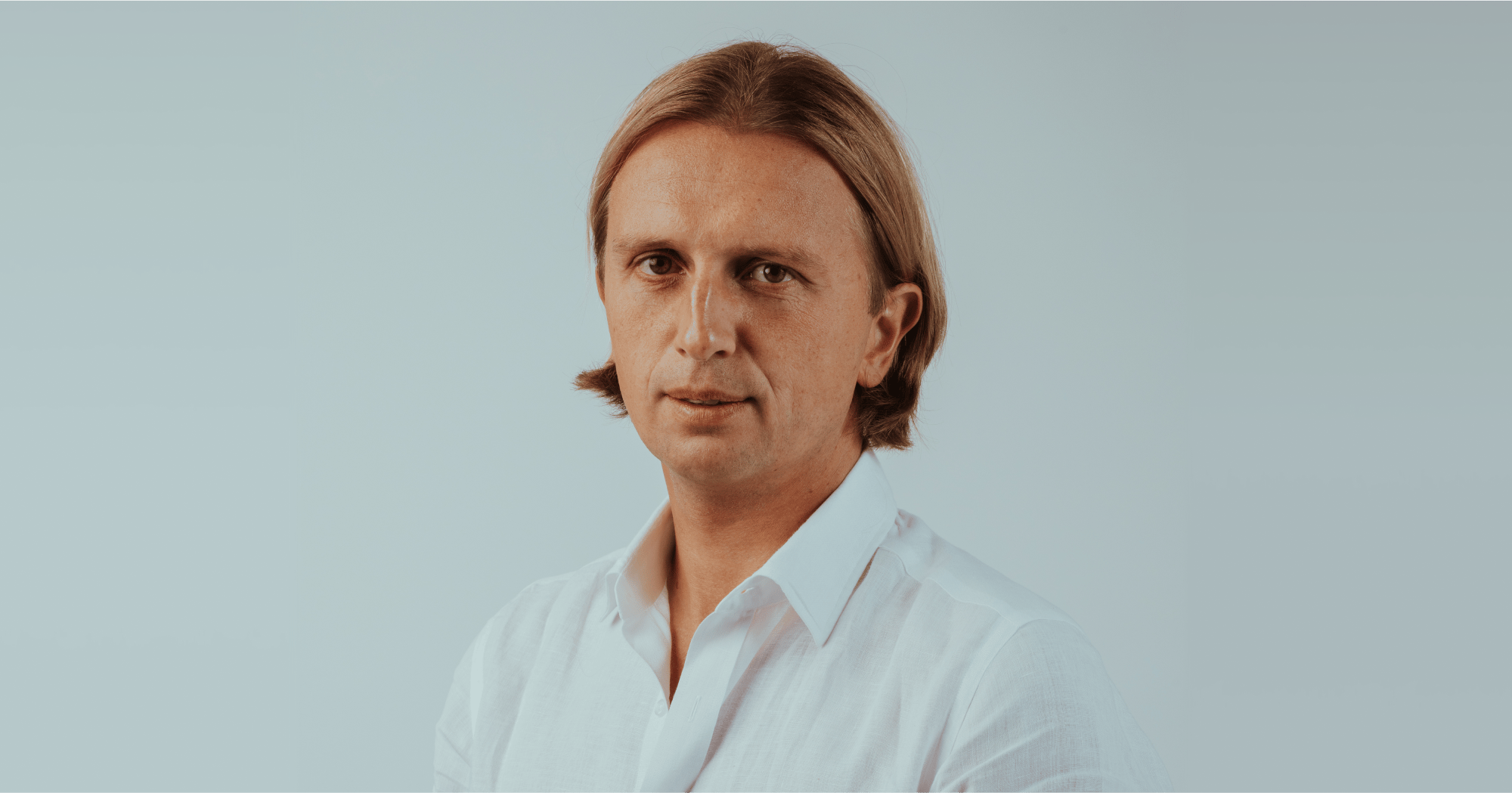
Giorgos Tsetis, the 41-year-old co-founder of hair-wellness brand Nutrafol, is building an investment outfit designed to challenge conventional family office norms. Operating through his vehicle, Great Things, Tsetis is pursuing rapid dealmaking in technology startups while directing a mandatory 20 percent of net realized profits toward philanthropic causes, as first reported by CNBC Business.
The investment vehicle was formally established roughly a year ago after Tsetis sold his remaining equity stake in Nutrafol to consumer products giant Unilever in a deal valuing the enterprise at $3.5 billion. Across its initial 18 months of activity, Great Things deployed nearly $40 million into privately held companies and allocated approximately $7 million to non-profit grants and pledges.
Designed in collaboration with UBS Wealth Management managing director Gabriel Cooperman, the structural foundation of Great Things adapts standard venture capital profit distribution rules. Instead of allocating traditional carried interest to fund managers, the entity automatically channels a fifth of realized investment gains into charitable initiatives. To maintain stability for multi-year commitments—including pledges to drug repurposing platform Every Cure and a youth boxing facility in the Bronx—the firm utilizes a donor-advised fund to offset periods of reduced exit activity.
Rapid monetization in artificial intelligence holdings provided early momentum for the strategy. Great Things achieved a sevenfold return on its initial backing of AI developer Anthropic inside of 18 months by liquidating its position through a secondary market transaction. If its historical investment velocity holds, the entity expects to put an additional $60 million to work across private tech markets over the next two years.
Governance at Great Things is structured to minimize friction and enable rapid capital deployment. Investment authority rests entirely with Tsetis and partner Roman Kalantari, who previously served as chief technology and experience officer at Nutrafol. Because the firm manages proprietary founder capital rather than institutional limited partner funds, the duo can execute investments and exits without complex committee approvals.
Despite early success in AI deals, the firm is recalibrating its technical investment criteria. Kalantari, an industry veteran whose career spans the dot-com era, cautioned that the current valuation surge surrounding artificial intelligence is unsustainable and due for a broad market recalibration. In response, Great Things is reducing exposure to early-stage generative AI startups and prioritizing late-stage opportunities that offer secondary liquidity options and proprietary technology stacks over simple wrapper applications built atop third-party models.
That refined focus is reflected in recent portfolio decisions, including a follow-on investment in Lila Sciences. The three-year-old startup pairs proprietary artificial intelligence models with automated robotic laboratory systems to streamline scientific research. Conversely, the firm is treating investments in speculative platforms like prediction-market startup Polymarket as opportunistic holdings destined for near-term secondary exits to capture prevailing market demand.
Tsetis views the Great Things framework as a scalable proof of concept for newly liquid technology entrepreneurs seeking to integrate immediate charitable distribution into their investment strategies. By tying non-profit funding directly to secondary market realizations rather than long-term capital preservation, the firm aims to demonstrate that wealth creation and philanthropic impact can operate on identical timeframes.
Sources
Written by
The Company Wire
Inside the companies building what’s next. Reporting on startups, technology, funding and the people shaping them.