Robinhood Plans $200M Public Fund for Y Combinator Startups
Robinhood Ventures Fund II is expected to list on the New York Stock Exchange on August 13, offering retail investors exposure to early-stage private companies connected to the Y Combinator ecosystem.
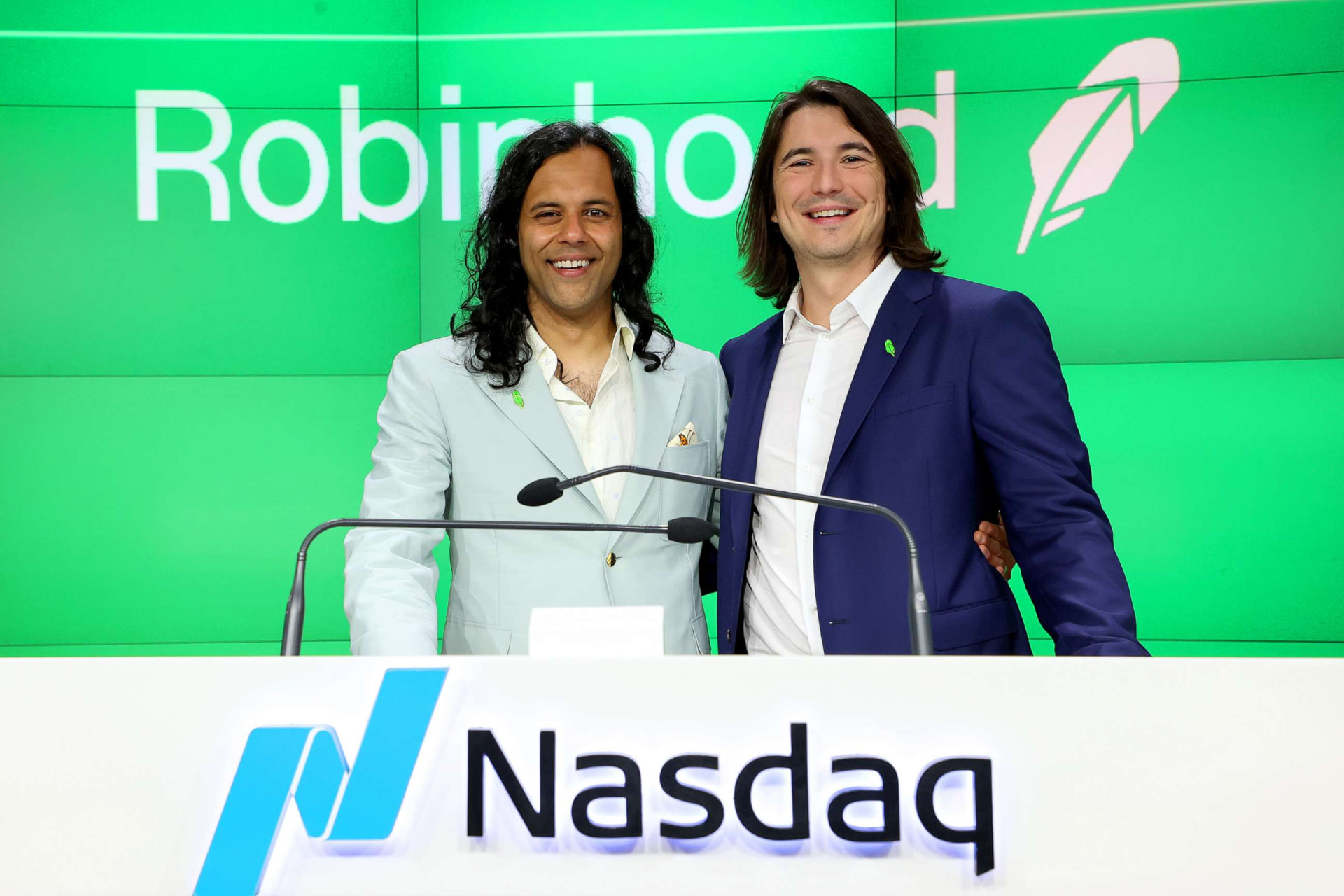
MENLO PARK, California. Robinhood is preparing to list a publicly traded venture fund designed to give individual investors access to a portfolio of early-stage private companies, an area traditionally dominated by venture firms, institutions and accredited investors.
Robinhood Ventures Fund II, known as RVII, is expected to begin trading on the New York Stock Exchange on August 13 under the ticker symbol “RVII.” Shares are expected to be priced at $25, while the window to request IPO shares is scheduled to close on August 12, according to Robinhood's announcement.
The offering could raise as much as $200 million through the sale of up to 8 million shares, Reuters reported. Goldman Sachs is serving as the lead bookrunner, with Citigroup, J.P. Morgan, UBS Investment Bank and Wells Fargo Securities also participating.
RVII is structured as a business development company, a type of closed-end investment fund whose shares can trade on a public exchange. At the time of Robinhood's announcement, the fund held investments in 80 private companies and expected to add more over time.
Its strategy focuses on early-stage and growth-stage businesses that have participated in Y Combinator or were founded by entrepreneurs who previously participated in the accelerator. The fund may also invest in companies outside the Y Combinator network. Y Combinator has permitted use of its name but does not sponsor, endorse or manage the fund.
Unlike traditional venture investments, RVII will not require investors to meet accredited-investor income or net-worth requirements. However, shareholders will own shares in the fund, not direct equity in the underlying startups. The fund may obtain exposure through direct investments or special-purpose vehicles.
Robinhood Ventures will receive an annual base management fee equal to 2% of net assets. It will also be eligible for an incentive fee equal to 20% of realized capital gains, after accounting for realized losses, unrealized depreciation and previously paid incentive fees. Additional operating expenses may increase the fund's total cost.
The structure carries substantial risks. Early-stage companies have high failure rates, private-company valuations can be difficult to determine, and successful exits may take years or never occur. Because RVII is a closed-end fund, its market price may trade above or below the value of its underlying assets. Robinhood also warns that an active trading market may not develop and that the fund does not expect to provide predictable quarterly dividends.
RVII follows Robinhood Ventures Fund I, which launched in March with a greater emphasis on later-stage private companies. The second fund moves Robinhood further into early-stage venture investing while giving public-market investors an indirect route into companies that would normally remain inaccessible before an acquisition or IPO.
Sources
Written by
The Company Wire
Inside the companies building what’s next. Reporting on startups, technology, funding and the people shaping them.