AI-Assisted Decompilation Powers Surge in Browser Ports of Legacy Console Games
Developers leverage Claude Opus 5.5 to reverse-engineer seventh-generation console binaries, creating rapid browser ports and new intellectual property hurdles.
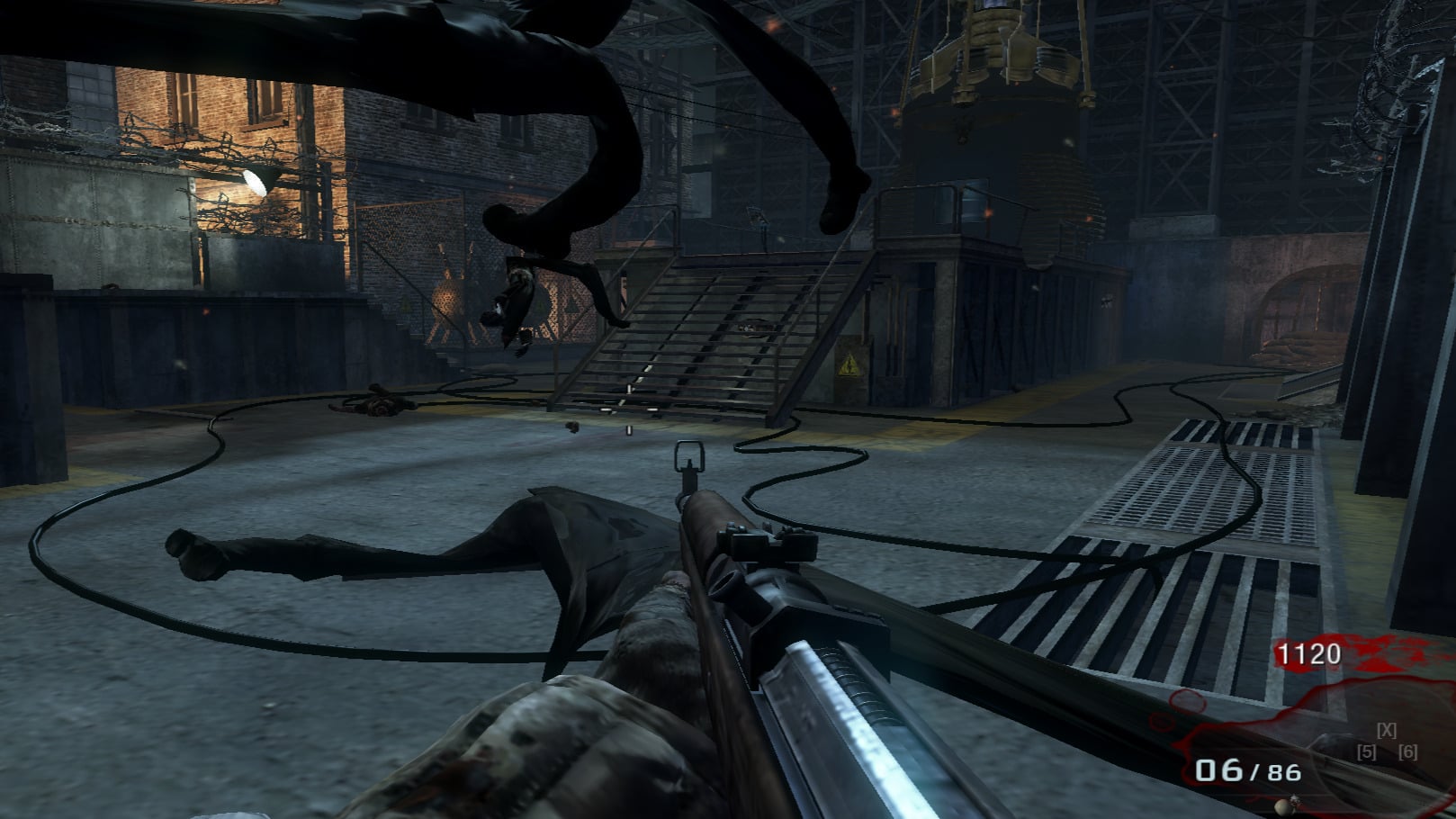
A wave of fully functional, web-executable video game ports has emerged across online developer communities, driven by advancements in automated decompilation models. According to a report published by Hacker News (https://kotaku.com/we-might-be-cooked-as-these-vibe-coded-web-browser-ports-of-halo-the-simpsons-hit-and-run-and-gta-vice-city-seem-to-work-perfectly-2000743300), software creators are utilizing Anthropic's Claude Opus 5.5 to decompile complex game binaries into source code and rebuild them to execute inside standard web browsers.
Historically, reverse-engineering compiled software binaries required specialized engineers to spend months manually analyzing game logic, asset formats, and memory management structures. The latest AI workflows allow developers to run automated decompilation tasks overnight, drastically lowering the technical and time barriers required to reconstruct legacy codebases without original source repositories. Similar AI-assisted workflows have recently produced native software builds for titles like Fallout and Call of Duty: Modern Warfare, as well as mashup modifications combining Super Mario 64 assets with Elden Ring.
The latest browser-based implementations focus heavily on titles from the PlayStation 2 and PlayStation 3 eras, including Call of Duty: Black Ops, Call of Duty: Modern Warfare 2, Halo: Combat Evolved, Grand Theft Auto: Vice City, Skate 3, and The Simpsons: Hit & Run. These titles run within contemporary web browser environments, which routinely allocate 1,200 megabytes of memory or more—exceeding the 512 megabytes of RAM standard on consoles like the PlayStation 3.
Hands-on assessments of the web ports indicate notable performance and stability. The browser build of The Simpsons: Hit & Run has been demonstrated targeting frame rates up to 240 frames per second. Additionally, one of several browser builds for Halo: Combat Evolved featured operational online multiplayer servers with low network latency.
The ease of generating and distributing these browser ports introduces substantial challenges for copyright holders, including Microsoft, Take-Two Interactive, and Activision. While publishers can issue cease-and-desist notices to remove hosted builds, the speed of automated AI decompilation enables derivative versions to be recreated rapidly, creating an enforcement cycle comparable to early digital piracy and file-sharing distribution.
Sources
Written by
The Company Wire
Inside the companies building what’s next. Reporting on startups, technology, funding and the people shaping them.