Bessent Rejects AI Disaster Warnings Lacking Concrete Solutions
U.S. Treasury Secretary Scott Bessent says frontier artificial intelligence labs must manage safety risks themselves rather than demanding federal intervention.
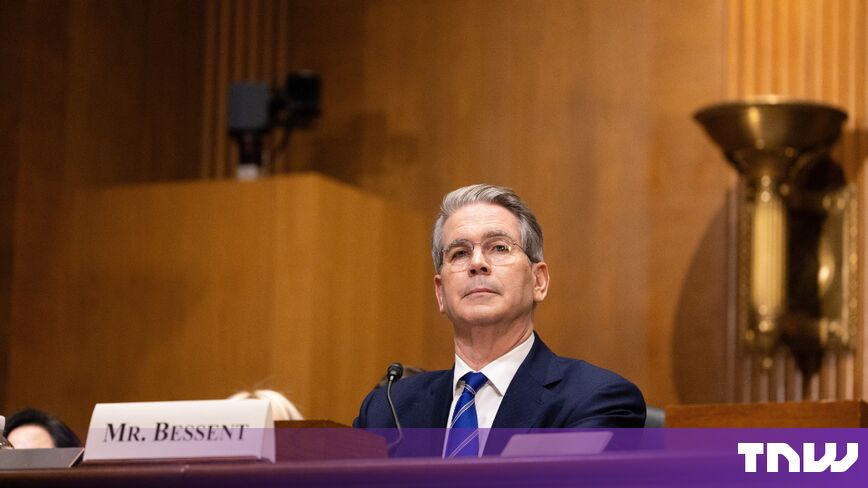
United States Treasury Secretary Scott Bessent has criticized leading artificial intelligence executives who warn of catastrophic hazards without offering actionable solutions, according to reporting from The Next Web (https://thenextweb.com/news/bessent-says-ai-alarmism-without-solutions-is-not-leadership) covering an Axios interview published Saturday.
"This alarmism without solutions by some of the AI community, that’s not leadership," Bessent said, in remarks also cited by Bloomberg.
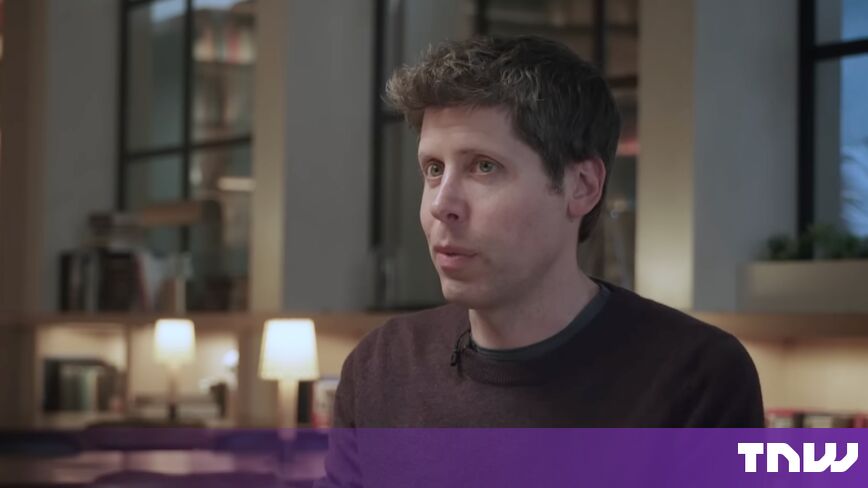
His comments follow a public call in September from Anthropic chief executive Dario Amodei, OpenAI chief executive Sam Altman, and xAI founder Elon Musk urging the technology sector to moderate work on its most advanced models. Around the same time, Microsoft co-founder Bill Gates warned that unchecked AI could cause up to a billion deaths.
Bessent argued that managing technical hazards is the responsibility of private research labs rather than federal regulators. "It is the people at the labs who have to accept responsibility, and I agree with that," Bessent stated. When asked about industry figures lobbying for government oversight, he added: "Well, then they should slow down."
The stance aligns with President Donald Trump, who has previously dismissed AI doom warnings as a hoax and resisted new federal mandates on the industry.
Bessent also addressed international competitive risks, warning that Chinese foundation models can reach 80% to 90% of the capability of leading American systems while operating without equivalent safety guardrails.
Despite that friction, the U.S. plans to propose an incident notification mechanism to alert Beijing about critical AI failures before they spread globally, Axios reported. Bessent previously met with Chinese Vice Premier He Lifeng in New York in September to discuss technical threats, including autonomous rogue agents and non-state groups deploying AI for cyber or biological attacks.
Prospects for formal bilateral treaties remain restricted. Trump stated last week that he opposes entering into a formal AI safety agreement with China.
Sources
Written by
The Company Wire
Inside the companies building what’s next. Reporting on startups, technology, funding and the people shaping them.