Hidden AirTag Tracks Bulk Purchases of Rare Books to Amazon AI Scanning Facility
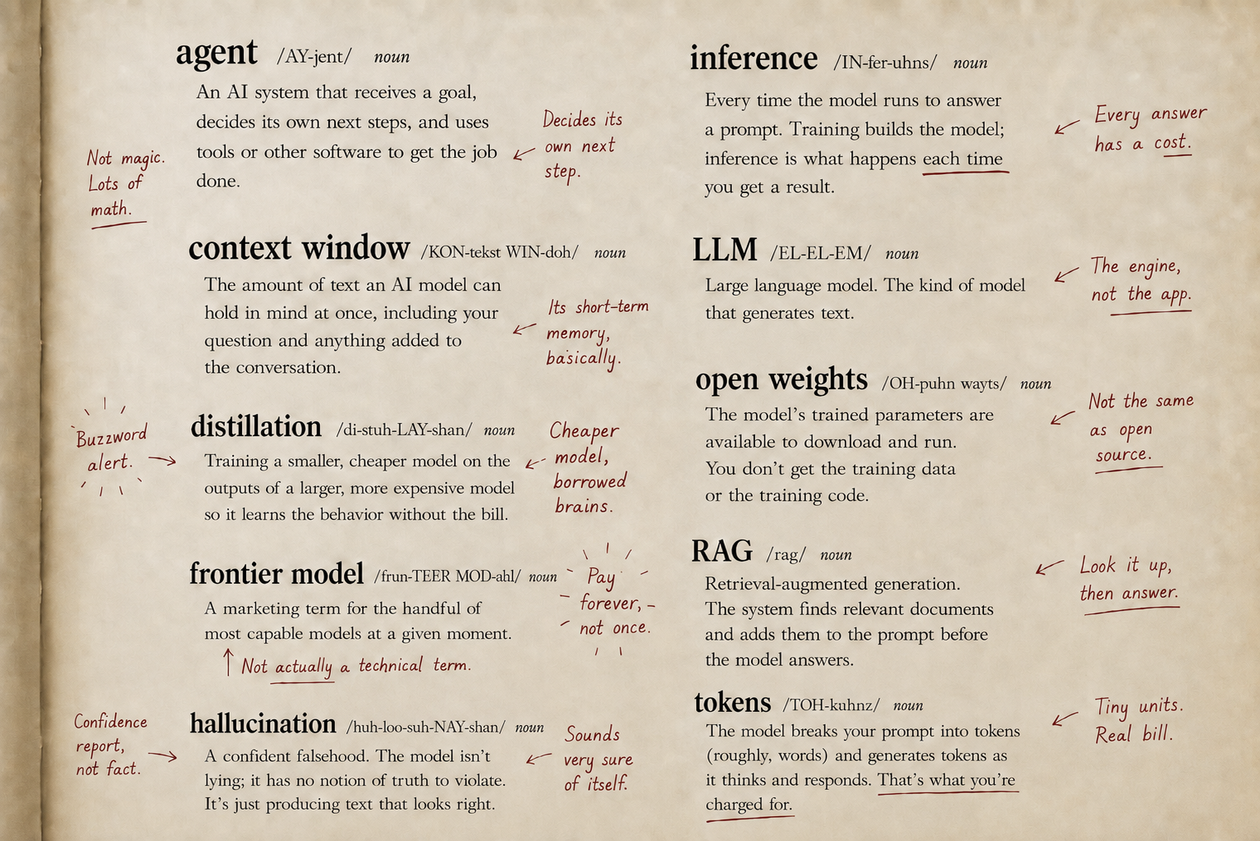
An investigation by 404 Media revealed that Amazon is buying up obscure and out-of-print books, unbinding them, and scanning pages to supply data for its frontier models.

Amazon has been purchasing bulk lots of rare and obscure physical books to scan and destroy for artificial intelligence model training, according to an investigation by 404 Media that was reported by Ars Technica. The practice was confirmed after a bookseller placed an Apple AirTag inside a volume contained in a bulk order, allowing the shipment to be tracked directly to an Amazon training location in Nevada.
The AirTag was tracked to an Amazon processing facility in Las Vegas designated as VGT3, where staff are tasked with stripping books from their bindings to perform high-speed page scanning. The facility's entrance door features a logo depicting a Tyrannosaurus rex preparing to consume a book. Online forum discussions among facility staff reviewed by 404 Media showed that workers were instructed to scan barcodes and ISBNs before tearing apart the volumes.
Amazon declined to comment specifically on its AI training operations when questioned by reporters. In a statement provided to both 404 Media and Ars Technica, the company said: "Amazon purchases books through commercial channels to help develop and improve the products and services our customers use." The statement made no direct reference to machine learning development or the physical destruction of books.
The tech giant's aggressive data gathering comes as technology developers race to build frontier AI models, which require vast quantities of high-quality text to keep pace with competitors like OpenAI, Google, and Anthropic. Training data remains a closely guarded corporate secret across the tech industry. However, rival AI developers Anthropic and xAI have publicly stated that they do not train their algorithms on rare or antique books.
Internal worker communications revealed that the Las Vegas scanning warehouse faced severe supply shortages earlier this year, leading employees to worry the facility might close before bulk book shipments were replenished. The worker discussions also corroborated bookseller theories that AI firms are systematically working through lists of ISBN numbers to source unique language patterns. Rather than buying expensive first editions, buyers frequently target low-cost, lesser-known titles, including untranslated foreign works and obscure editions with minimal original printing runs.
The revelation has sparked intense ethical debate within the bookselling and academic communities. The bookseller who planted the AirTag told 404 Media that tech companies prioritize raw words while ignoring the inherent historical, intellectual, and sentimental value of physical works. Prominent figures have also weighed in, with investor Michael Burry reportedly describing destructive book scanning as "evil incarnate." Meanwhile, workers on employee message boards described the job as routine, offering flexible hours for repetitive physical tasks.
The controversy has also highlighted broader concerns about access to historical information. Critics on public forums noted that when rare texts are scanned into proprietary models, the unique contents may become locked inside closed corporate systems or available only as paywalled, altered snippets, while the physical originals are permanently destroyed.
While some commentators argue that obscure books sitting unsold on shelves for decades gain new utility when digitized, experts caution against unselective destruction. Scottish bookseller Derek Walker told the BBC that AI buyers need to differentiate between common out-of-print academic texts and rare editions that may represent the single surviving physical copy of a historical work. However, because tech companies operate through commercial middle-men and maintain strict secrecy around their dataset pipelines, booksellers currently have little ability to screen orders or protect historical artifacts from destruction.
Sources
Written by
The Company Wire
Inside the companies building what’s next. Reporting on startups, technology, funding and the people shaping them.