MasterClass Deploys Multi-Agent AI System to Expand Personalized Tutoring
The online learning platform is using CoreWeave's observability stack to manage autonomous AI teaching agents for its executive business program.
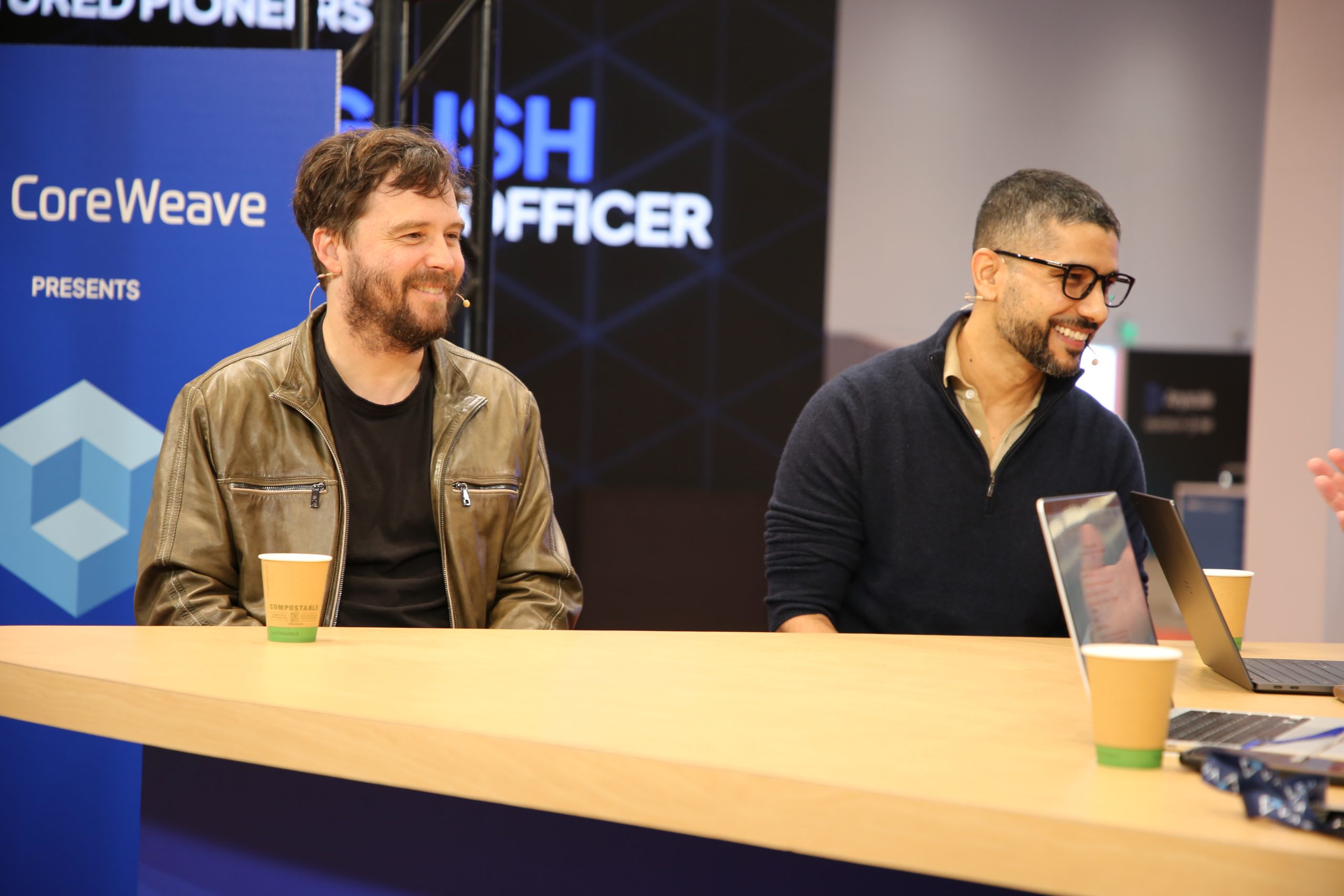
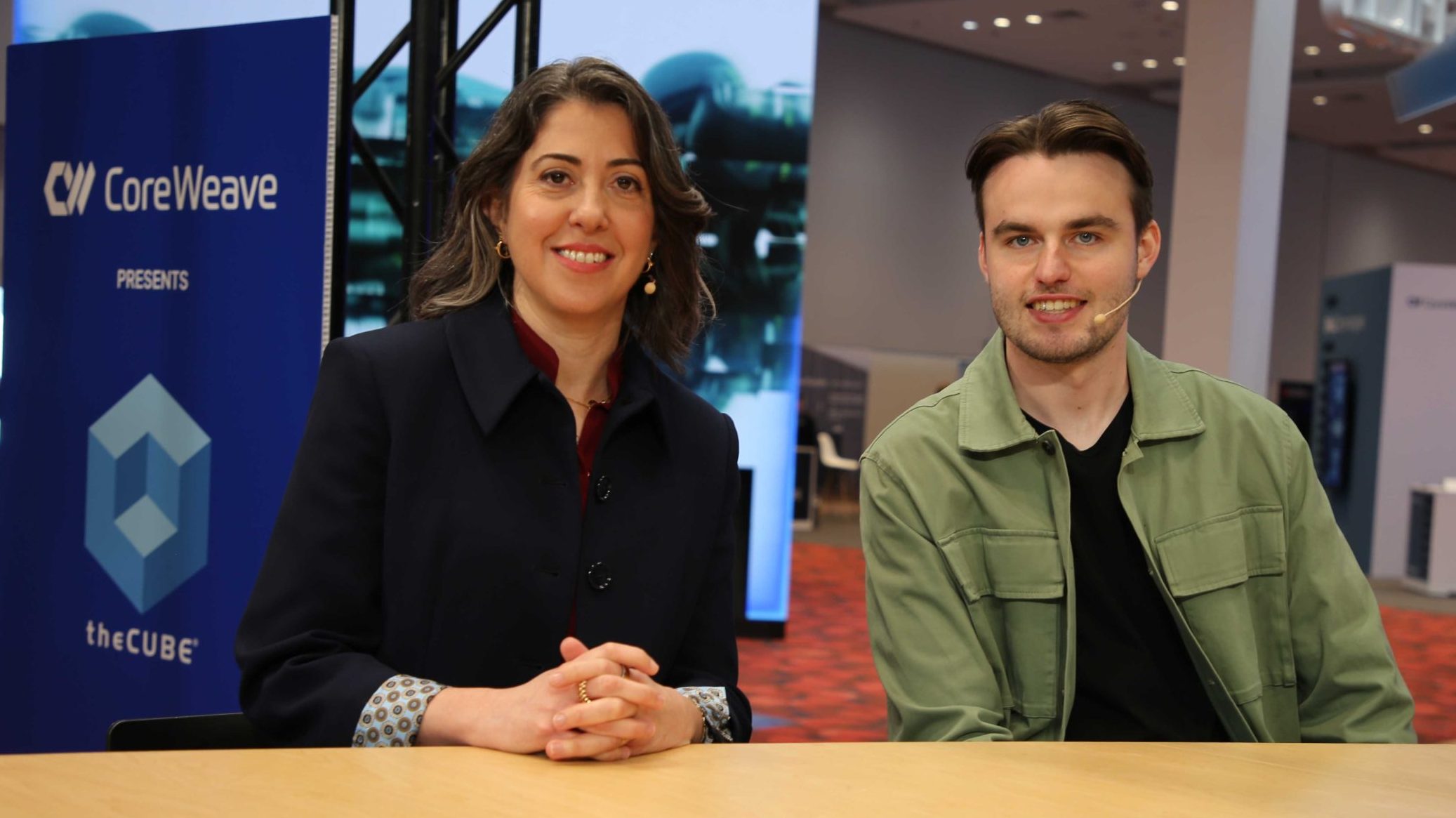
MasterClass is expanding its technical strategy into automated education by deploying multi-agent artificial intelligence architectures designed to deliver personalized instruction at scale. In an interview broadcast on SiliconANGLE Media’s theCUBE livestream during the Fully Connected event, technology leaders from MasterClass and cloud infrastructure developer CoreWeave Inc. detailed how the digital learning company is moving AI teaching agents out of experimental laboratory settings and into active production. The initiative is aimed at making tailored one-to-one learning accessible to more students by reducing the financial costs and staffing constraints associated with human tutors.
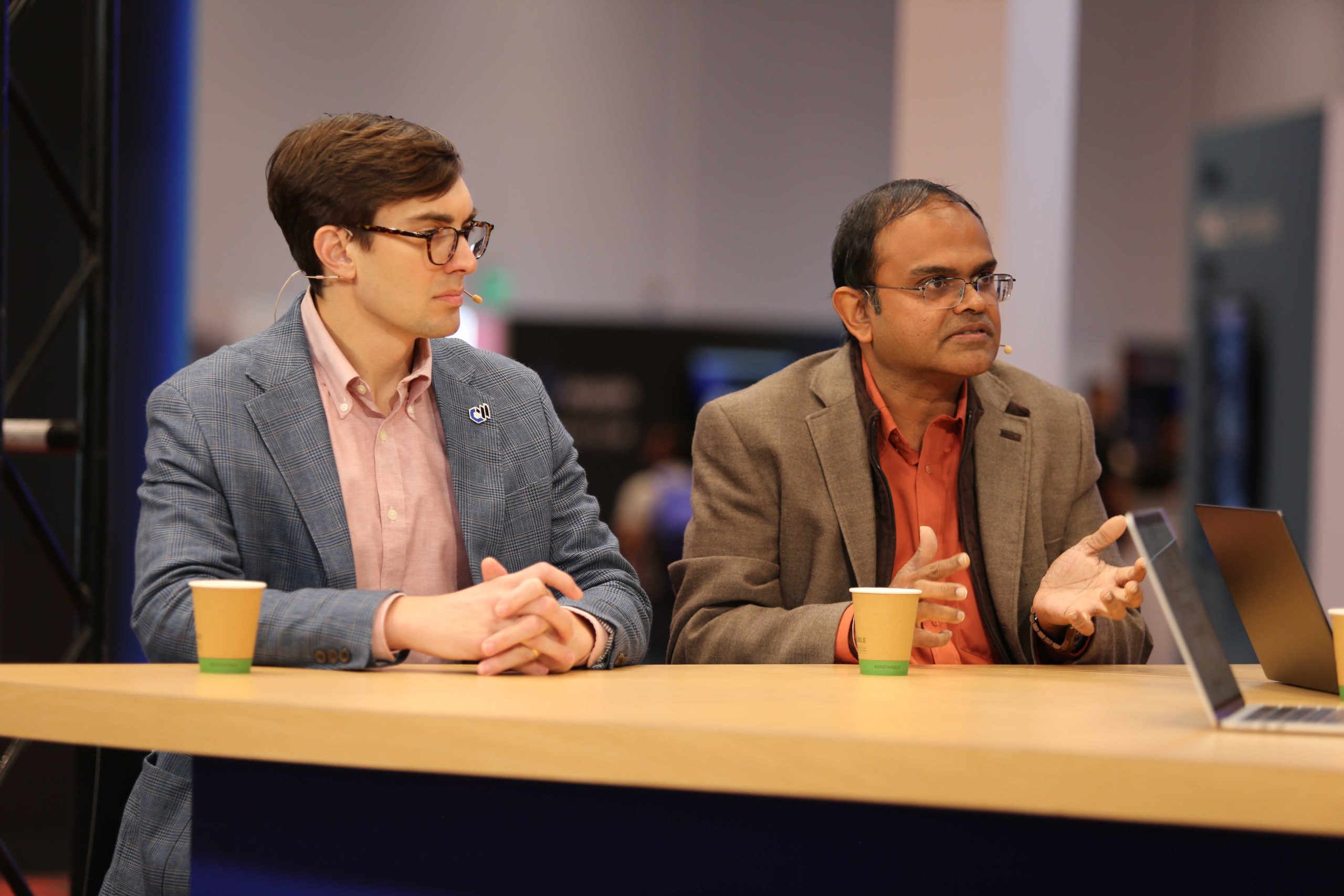
The operational shift is also supporting CoreWeave's full-stack AI cloud infrastructure strategy as enterprise software companies transition from single-prompt chatbots to multi-agent production workloads. Mandar Bapaye, chief product officer at Yanka Industries Inc.—which operates commercially as MasterClass—emphasized during the broadcast that effective AI tutoring requires a deep pedagogical framework behind the software. Bapaye noted that simply exposing students to an unguided chatbot is inadequate, stressing that an agentic framework must be built upon a scientifically backed educational methodology to properly respond to diverse learning styles.
This structural framework serves as the core foundation for MasterClass Executive, the company's newly launched AI-native business education program. The enterprise application employs a multi-agent system that plans each lesson around how a participant interacts with the material. By tracking specific indicators such as cognitive overload or fading student motivation, the platform autonomously adjusts its instructional approach. Lukas Biewald, senior vice president of AI initiatives at CoreWeave, advised the MasterClass team on the development of the executive program.
Speaking with theCUBE Research analysts Dave Vellante and John Furrier, Biewald emphasized the vital role of continuous empirical evaluation when developing agentic systems. He explained that refining AI teaching agents requires iterative loops where engineering teams systematically test new foundational models and updated scoring rubrics against performance benchmarks to continuously improve automated instruction.
Transitioning multi-agent educational systems into production introduces technical friction that does not exist during early evaluation phases. Behind every learner interaction, MasterClass runs roughly 10 distinct software agents, generating complex streams of data inputs, outputs, external tool calls, and inter-agent communication logs. Managing these interconnected workflows across thousands of active users creates substantial observability challenges. To track and optimize these live workflows, MasterClass selected CoreWeave's W&B Weave observability platform to trace agent behavior and monitor system health.
To streamline maintenance across its infrastructure, MasterClass engineered a custom agent built directly on Weave’s Model Context Protocol interface. Operating automated sweeps each night, this supervisory agent reviews system traces collected throughout the day to identify anomalous agent behavior and pinpoint probable root causes for technical issues. Bapaye noted that this automated tracing routine allows engineering teams to verify whether the strong performance observed during pre-launch evaluation phases continues to hold true during live production interactions with students.
The scalability of AI teaching agents addresses long-standing economic and operational barriers in education. Bapaye outlined three major structural hurdles in traditional instruction: the high financial cost of hiring private tutors, the severe shortage of qualified teachers, and the wide variance in instructional quality among human educators. MasterClass reported strong early demand for the automated model: the inaugural MasterClass Executive cohort drew approximately 30,000 applications for roughly 500 available seats, while the application pool for the second cohort is currently approaching 50,000.
Sources
Written by
The Company Wire
Inside the companies building what’s next. Reporting on startups, technology, funding and the people shaping them.